
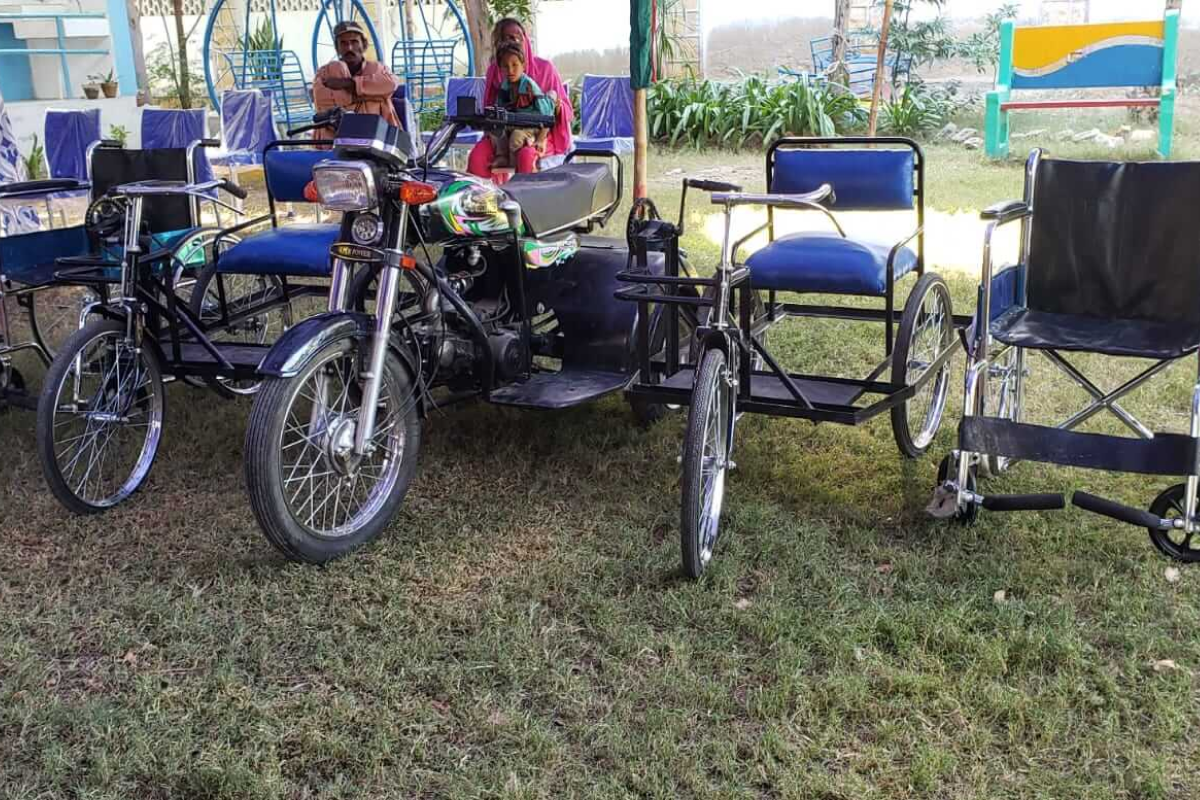
Assistive Devices for Persons with Disabilities
Introduction
For many people with disabilities, access rather than ability determines their capacity to participate in education, skill development, and employment. Barriers frequently result from settings that don’t meet a variety of physical and sensory needs rather than from a lack of motivation. By allowing people to carry out tasks, speak clearly, and participate in learning with more comfort and control, assistive gadgets help close this gap.
Assistive technology is seen by the Pakistan Independent Living Center as useful tools that promote autonomy and dignity. These tools assist people in acquiring the skills necessary for fulfilling employment and social engagement when paired with structured learning opportunities like vocational training disability programs.
Types of Assistive Devices
The term “assistive devices” refers to a broad category of items intended to facilitate daily tasks, movement, communication, hearing, and vision. Every gadget meets a particular requirement, enabling people to operate more freely in both educational and professional settings.
Wheelchairs, crutches, walkers, and prosthetic supports are examples of mobility aids that enable people to move safely and efficiently. Attending training sessions, visiting workplaces, and engaging in practical skill development are all made possible by these tools.
White canes, screen readers, Braille materials, and magnification tools are examples of technologies that help people with vision impairments learn and navigate. In communication-based training environments, hearing aids and visual alert systems are examples of equipment that help people.
Speech-to-text software, alternative communication boards, and adaptable keyboards are examples of communication devices that help people with speech or mobility impairments. These assistive devices ensure that learning and work are not limited by physical barriers.
Assistive Devices in Daily Learning
Learning in professional settings frequently requires interaction, collaboration, and repetition. With the help of assistive technology, people can concentrate on learning instead of dealing with discomfort or access issues.
Adaptive seating, for instance, helps with posture during extended training sessions. People can carry out technical activities more accurately with modified tools. Trainees can successfully follow directions, turn in assignments, and interact with trainers thanks to digital accessibility technologies.
Assistive technology is offered at the Pakistan Independent Living Center along with skills training to make sure participants become comfortable and confident using it. Instead of viewing gadgets as isolated or transient tools, this method assists people in organically incorporating them into everyday activities.
Importance of Vocational Training
Programs for vocational training disability are designed to prepare people for particular trades or occupations. Even the best-designed training programs might not be accessible without the right assistive technology.
By enabling everyone to participate equally, assistive technology helps level the playing field. They promote prolonged concentration during training exercises, lessen weariness, and guard against damage. In skill-based learning areas like computer work, tailoring, printing, electronics, or office administration, this is especially crucial.
Learning is more successful when trainees feel at ease and supported. With the use of assistive technology, people can repeatedly practice skills, get feedback, and enhance their performance without needless stress.
Building Skill Confidence
When people succeed in real-world tasks, their confidence increases. These experiences during vocational training programs for people with disabilities are made possible in large part by assistive technologies.
Devices enable people to plainly exhibit their ability by lowering communicative and physical obstacles. This promotes ongoing engagement in training programs and helps trainees gain confidence in their abilities.
The availability of assistive technology benefits trainers as well. Progress is easier to monitor, assessments are more equitable, and instruction runs more smoothly. Everyone involved benefits from a more inclusive learning environment as a result.
Workplace Adaptations
Workplaces frequently need to be modified to meet a variety of purposes. A crucial component of workplace adaptation is the use of assistive technology, which enables people with disabilities to carry out job duties effectively and securely.
Screen readers, voice-activated software, and adaptive desks all boost efficiency in work environments. Mobility aids, sitting supports, and customized equipment enable people to do tasks precisely in technical or manual positions.
Companies that recognize the benefits of assistive devices frequently claim increased productivity and lower employee turnover. Employee satisfaction and job sustainability can be greatly impacted by small adjustments.
To encourage realistic job modifications, the Pakistan Independent Living Center collaborates with businesses and training partners. The belief that inclusion benefits both individuals and companies is reinforced by the continued emphasis on utility rather than charity.
Assistive Devices and Job Retention
Getting a job is just the first step. Comfort, effectiveness, and consistency are key factors in keeping a job. By easing physical strain and facilitating everyday work routines, assistive technologies promote long-term employment.
People who utilize the right devices are more adept at meeting expectations, managing workloads, and interacting with coworkers. This helps people stay stable in their careers and lessens stress.
Participants in vocational training programs for people with disabilities are encouraged to practice using assistive technology in workplace simulations. This lessens adjustment difficulties upon placement and equips students for actual professional environments.
Impact on Employability
Employability is directly impacted by access to assistive devices. Employers are more inclined to acknowledge an individual’s abilities rather than their limitations when they can complete tasks autonomously and consistently.
Instead of highlighting difficulties, assistive technology helps highlight abilities. They enable people to concentrate on producing work that is accurate, creative, and of high quality. This promotes inclusive recruiting practices and changes attitudes in the workplace.
Assistive technology has been a game-changer for many Pakistan Independent Living Center members. These resources have facilitated the transition from training to paid employment when used in conjunction with vocational training disability programs.
Social and Economic Participation
Employment promotes social engagement and self-respect in addition to financial gain. Assistive technology fosters a sense of belonging by enabling people to interact with confidence in work settings.
Communities gain from a variety of viewpoints and talents when people with disabilities are employed. By promoting financial independence, inclusive work also lessens long-term dependency.
This wider social impact is supported when assistive devices are carefully included in training and career trajectories.
Conclusion
Assistive devices are essential supports that enable persons with disabilities to learn, work, and participate with confidence. When combined with structured vocational training disability programs, these tools help individuals develop practical skills and sustain meaningful employment.
Pakistan Independent Living Centre, assistive devices are part of a broader commitment to independence, dignity, and equal opportunity. By focusing on access rather than limitation, assistive devices continue to support pathways toward self-reliance and inclusion.