
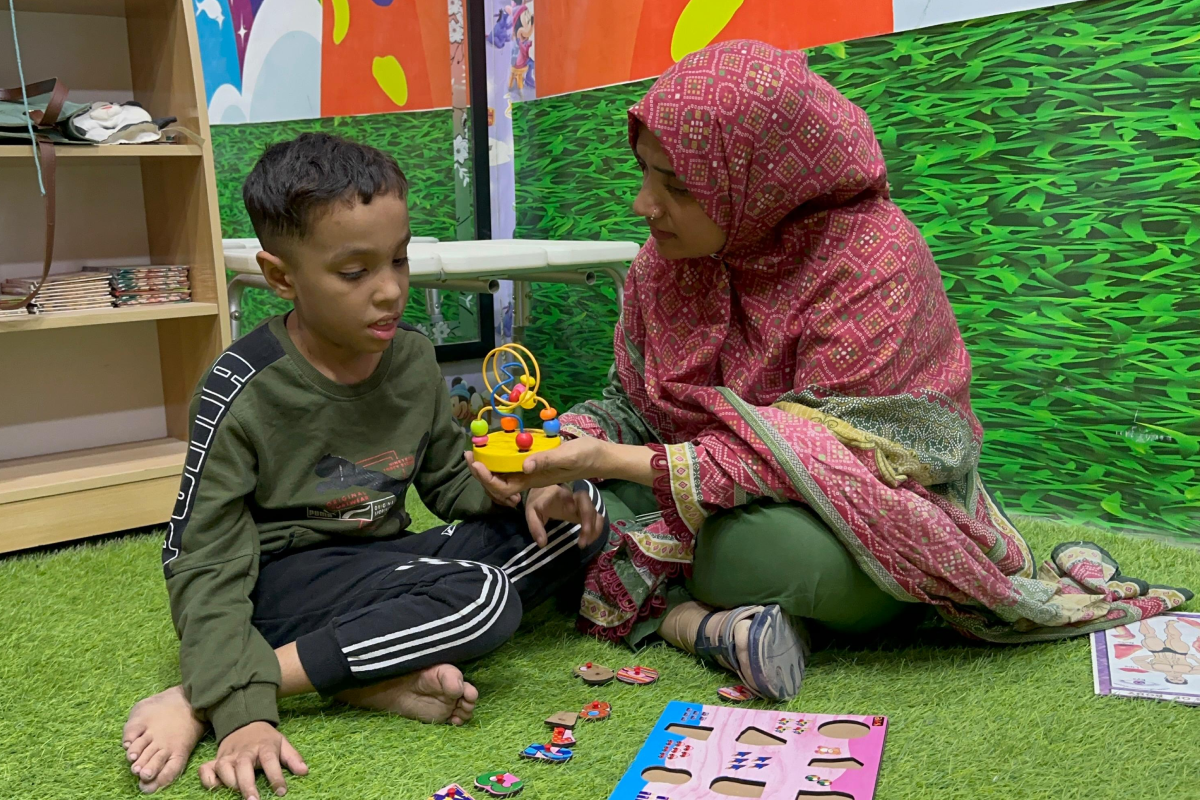
Personal Assistant (PA) for Disabled
Introduction
Many people with impairments face obstacles in their daily lives that extend well beyond their physical limits. Access to social spaces, work, healthcare, and education frequently depends on the availability of trustworthy support. For people with disabilities, PA for disabled is one of the most useful and rights-based forms of assistance.
In the conventional sense, a personal assistant (PA) is not a caregiver. Rather, a PA offers assistance that enables an individual with a disability to live their life as they see fit. In addition to strengthening independence, this strategy supports larger community development disability initiatives for people with disabilities. Communities as a whole become more responsive and inclusive when people receive personal help.
At the Pakistan Independent Living Centre, the PA model is rooted in dignity, choice, and participation. It recognizes that real inclusion begins when individuals are supported to take control of their daily lives.
Role of PA for Disabled
Assistance, not authority, defines a PA’s role for people with disabilities. Under the supervision of the person, a personal assistant provides assistance with duties that the person deems required. Personal care, mobility aids, communication support, domestic chores, and support in work and educational environments are a few examples of this.
PA services are individualized and flexible, in contrast to institutional care systems. The person determines what boundaries are respected, when support is needed, and how it is provided. This model makes sure that rather than restricting independence, support increases it.
A PA can help with everyday chores, social activities, getting ready for work, and attending appointments. For many people, this assistance is the difference between being restricted to their homes and engaging in society.
Additionally, the PA for the impaired model respects personal space and privacy. Mutual respect, consistency, and clear communication are the foundations of trust. When used appropriately, PA services foster a harmonious partnership that encourages independence and self-assurance.
Community-Based Disability Development
Community development is directly impacted by individual support. When people with disabilities are visible, engaged, and active in the community, community development disability efforts are successful. PA services are essential to enabling this involvement.
People can participate in local programs, attend community meetings, pursue education, and engage in economic activities when they receive sufficient personal help. Disability becomes a shared community obligation as a result of this commitment.
Instead of sending people to specialist areas, community-based disability development concentrates on addressing barriers within local surroundings. This strategy is supported by PA for disabled services, which allows people to stay in their homes and communities while getting the help they need.
Communities start to modify infrastructure, services, and attitudes as more people with disabilities engage in public life. This gradual shift promotes shared ownership of accessibility and assistance while strengthening inclusiveness.
Empowerment at the Local Level
Control over daily choices is the first step toward empowerment. By enabling people to manage their schedules, routines, and priorities independently of family members or institutions, PAs for disability services promote empowerment.
This independence has far-reaching consequences at the local level. People who receive assistance from PA services are more likely to seek employment, education, or vocational training. Additionally, they are in a better position to speak up in their communities for their needs and rights.
Additionally, local empowerment lessens the strain on families, especially on women who are frequently responsible for providing care. While guaranteeing that each person’s independence is maintained, PA services establish a well-rounded support network that enables families to preserve better ties.
The Pakistan Independent Living Center strives to guarantee that PA services are available, reasonably priced, and culturally suitable through community-based initiatives. Additionally, training local personal assistants boosts community capacity and generates job possibilities.
Social and Economic Impact
PA has an effect on disability services that goes beyond personal welfare. Local economies gain from greater productivity and diversity when individuals with disabilities are assisted in pursuing education and employment.
Social cohesion is higher in communities with inclusive support networks. Members of the disabled and non-disabled communities interact more naturally, which lessens stigma and miscommunication. PA services contribute to the normalization of impairment in daily life.
Community-based PA services are also economical from a policy standpoint. By promoting stability and independence at home and in the community, they lessen dependency on emergency interventions and long-term institutional care.
Examples and Real-Life Impact
PA services have made it possible for people to continue their education, keep their jobs, and participate in civic life in a variety of communities. Professionals have continued their occupations, people with severe disabilities have reestablished social relationships, and students with disabilities have been able to attend classes on a regular basis.
PAs for disability services have encouraged involvement in neighborhood projects, skill-building courses, and community gatherings in both rural and urban areas. These illustrations show how individual assistance promotes group advancement.
According to the Pakistan Independent Living Centre, communities become more conscious of accessibility issues and more inclined to embrace inclusive practices when PA services are introduced intelligently. This awareness eventually results in long-lasting change.
Strengthening Community Development Disability Efforts
Initiatives for community development disability that are successful need more than just policy commitments; they also need useful instruments. At the grassroots level, PA services offer a clear and quantifiable means of promoting inclusiveness.
Disability organizations can address systemic impediments as well as individual needs by combining personal support with community outreach, training, and advocacy. This comprehensive strategy guarantees that empowerment is disseminated throughout communities rather than being restricted to a small number of people.
PA services support long-term social development when they are acknowledged as a right rather than a charity. Communities come to appreciate involvement, diversity, and assistance from one another.
Conclusion
For people with disabilities, PA is a basis for independence, dignity, and inclusion rather than just a support service. PA services actively support community development disability initiatives for people with disabilities by empowering people to manage everyday living and engage in their communities.
The personal assistant concept at the Pakistan Independent Living Center demonstrates a dedication to shared responsibility, choice, and respect. Communities become more resilient, inclusive, and compassionate when people are encouraged to live on their own terms.