Humanitarian NGO in Pakistan: Supporting Occupational Therapy for PWDs

Introduction

Humanitarian NGOs in Pakistan play a critical role in improving the lives of individuals who face social, physical, and economic challenges. Among these, persons with disabilities (PWDs) often require targeted interventions to access equal opportunities and live independently. Humanitarian NGOs bridge the gap by providing essential services, fostering inclusion, and advocating for rights. One of the key services that enhance the well-being of PWDs is occupational therapy for PWD, which focuses on enabling individuals to perform daily activities safely, confidently, and independently.

Role of Humanitarian NGOs in Disability Support

In Pakistan, many PWDs face barriers such as limited accessibility, social stigma, and lack of specialized care. Humanitarian NGOs in Pakistan address these challenges by offering a range of support services, including rehabilitation, education, skill-building, and health interventions. They provide a safe environment where individuals can learn new skills, participate in community activities, and gain access to assistive devices and therapies.

Humanitarian NGOs also advocate for inclusive policies and ensure that occupational therapy for PWD programs are integrated into broader social welfare initiatives. By combining professional therapy services with social support, these organizations enable PWDs to engage fully in their communities.

What is Occupational Therapy for PWDs?

Occupational therapy (OT) for PWDs is a client-centered approach that helps individuals achieve functional independence in their daily lives. The therapy focuses on enhancing physical, cognitive, and emotional skills needed to perform activities such as self-care, household management, learning, work tasks, and community participation.

OT sessions are personalized based on the individual’s needs and abilities. For example, a person with limited mobility may receive training to safely use adaptive tools, while someone with a sensory impairment may practice techniques to improve coordination and communication.

Importance of Occupational Therapy in Daily Functioning

Daily functioning is central to independence and self-esteem. Occupational therapy for PWD ensures that individuals can participate in essential activities, whether at home, school, or the workplace. Some of the benefits include:

  • Enhanced mobility and coordination: OT techniques help PWDs move safely and perform tasks with reduced risk of injury.
  • Improved self-care: Skills such as dressing, grooming, and feeding are taught to increase autonomy.
  • Mental and emotional support: Engaging in purposeful activities boosts confidence, reduces stress, and enhances motivation.
  • Community engagement: OT encourages participation in social and recreational activities, promoting inclusion.

These benefits contribute to a better quality of life, allowing PWDs to live with dignity and independence.

Types of Occupational Therapy Services

Humanitarian NGOs in Pakistan provide a range of occupational therapy services tailored to different disabilities and age groups:

  • Physical OT: Focuses on improving mobility, strength, and coordination for persons with physical disabilities.
  • Sensory integration therapy: Helps individuals with sensory processing disorders to manage stimuli effectively.
  • Cognitive therapy: Supports problem-solving, memory, and decision-making skills.
  • Self-care and daily living training: Teaches techniques for dressing, cooking, cleaning, and personal hygiene.
  • Work-related OT: Prepares individuals for employment by developing job-specific skills.
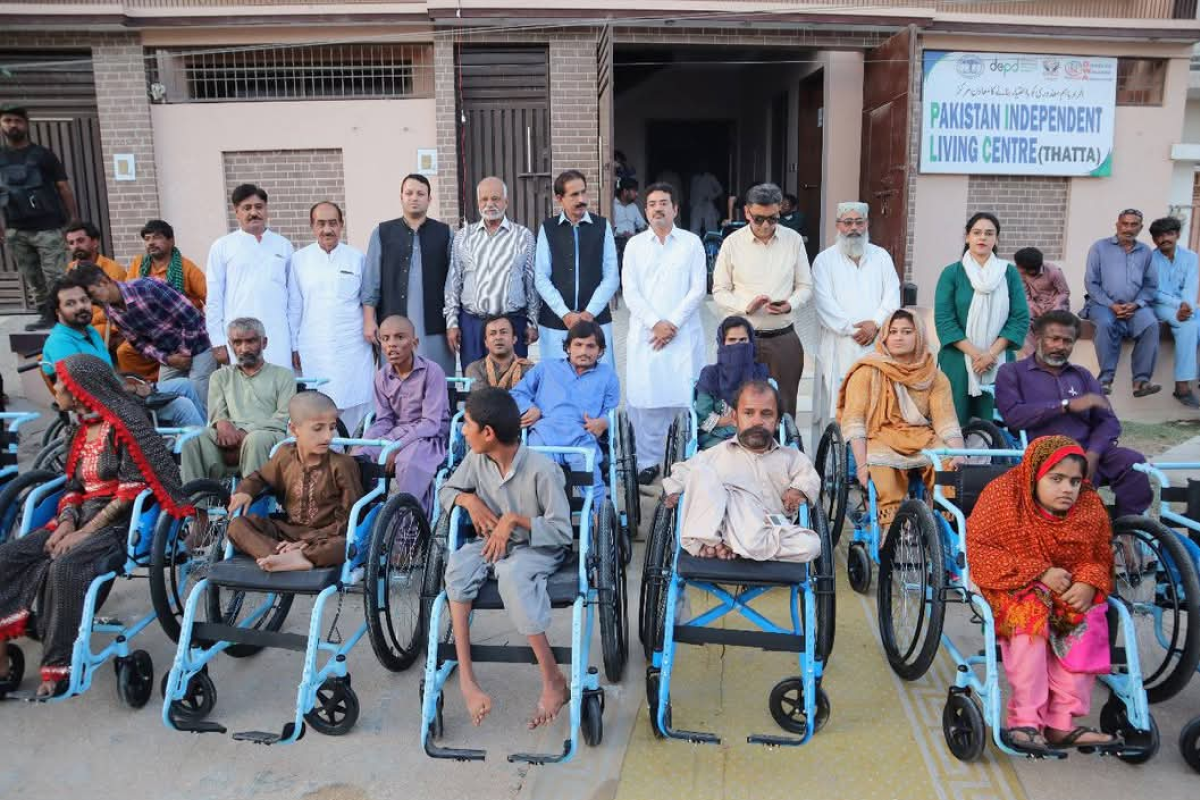
  • Adaptive device training: Assists in learning to use wheelchairs, crutches, assistive communication devices, or modified tools.

By offering a combination of these services, NGOs ensure holistic support for PWDs at home, school, or the workplace.

How NGOs Provide Occupational Therapy in Pakistan

Humanitarian NGOs in Pakistan have established structured programs to deliver OT services effectively. This includes:

  • Specialized therapy centers: Equipped with tools, adaptive devices, and trained therapists to address diverse needs.
  • Home-based therapy: Therapists visit clients at home to provide personalized support, especially for those with severe disabilities.
  • Community outreach programs: NGOs conduct workshops in rural and urban areas to educate families and caregivers about OT techniques.
  • Integration with other services: OT is combined with physiotherapy, counseling, vocational training, and life skills workshops for comprehensive support.
  • Training and capacity-building: NGOs train local staff, volunteers, and caregivers to ensure sustainable delivery of occupational therapy.

This multi-layered approach ensures that services are accessible, inclusive, and adapted to each individual’s environment.

Impact on Independence and Quality of Life

The effects of occupational therapy are profound and measurable. PWDs who engage in regular OT programs gain:

  • Greater independence in performing daily activities.
  • Improved physical health and mobility.
  • Increased confidence and self-esteem.
  • Opportunities to pursue education or employment.
  • Social inclusion and community participation.

Humanitarian NGOs in Pakistan report that OT not only improves practical skills but also strengthens emotional resilience. PWDs become active participants in their communities, challenging stereotypes and promoting the idea that disability is not inability.

Success Stories

Many individuals have benefitted from occupational therapy programs offered by humanitarian NGOs:

  • A young adult with cerebral palsy learned to use adaptive utensils and a wheelchair efficiently, enabling her to attend college independently.
  • Children with developmental delays gained essential self-care skills, allowing them to integrate into mainstream schools successfully.
  • Adults with mobility impairments received job-related OT, enabling them to perform tasks in small businesses and NGOs.

These stories highlight how occupational therapy for PWD transforms lives and opens pathways to inclusion, education, and employment.

Call to Action

Humanitarian NGOs rely on support from communities, donors, and volunteers to continue providing occupational therapy and other disability services. Here’s how you can contribute:

  • Donate: Your financial contribution helps fund therapy programs, purchase adaptive equipment, and maintain therapy centers.
  • Volunteer: Skilled volunteers can assist therapists, support therapy sessions, or participate in community outreach.
  • Spread awareness: Share information about occupational therapy and disability inclusion with your networks.
  • Get involved in programs: Families and caregivers can participate in workshops to better support PWDs at home.

Supporting humanitarian NGOs strengthens the foundation for independent living and ensures that persons with disabilities in Pakistan receive the care, respect, and opportunities they deserve.
Independent Living & Occupational Therapy

Introduction

People with impairments frequently face obstacles in their daily lives that others hardly notice. Simple tasks like getting dressed, cooking, taking care of oneself, or moving about the house securely might become recurring problems. These difficulties are caused by settings and systems that do not offer the proper support, not by a lack of aptitude.

Every individual with a handicap has the right to make decisions, oversee daily activities, and engage in society on an equal basis. This is how Pakistan Independent Living Center defines independent living. This is made possible in large part by occupational therapy, which supports practical skills that enable people to live with self-respect, safety, and confidence.

Independent Living Concept

Living independently does not entail working alone all the time. It entails being in charge of one’s own life, choices, and everyday pursuits. Choice, dignity, and timely access to the appropriate support are key components of independent living for people with impairments.

The idea acknowledges that societal attitudes, physical environments, and service systems frequently present barriers. Instead of altering the person, independent living aims to remove these obstacles. It encourages people to live in their homes, pursue employment, go to school, and interact with their communities as they see fit.

Independent living fundamentally puts people with disabilities at the center of decision-making. The purpose of services is to promote independence rather than reliance. Occupational therapy becomes a practical tool within this approach by helping individuals manage daily tasks in ways that suit their abilities and environments.

Role of Occupational Therapy

Occupational therapy helps people carry out daily tasks that are important to their life. Occupational therapy PWD services for people with disabilities concentrate on enhancing involvement in personal care, household chores, education, and work-related activities.

Occupational therapists evaluate how people engage with their environment and pinpoint obstacles that restrict autonomy. Physical restrictions, sensory issues, or a lack of easily accessible instruments are a few examples of these difficulties. Then, rather than focusing only on clinical results, therapy programs are created to address real-life requirements.

Occupational therapy PWD helps people in independent living programs modify tasks, create alternate strategies, and make use of assistive devices that make everyday tasks easier. This method guarantees that help stays applicable and useful while respecting individual routines and cultural contexts.

Supporting Choice and Control

Occupational therapy’s emphasis on individual choice is one of its main advantages. Whether it’s managing personal hygiene, arranging workplaces, or cooking meals on their own, people are encouraged to select goals that are important to them.

Occupational therapy Fixed routines are not enforced by PWD services. Rather, they investigate how each person’s particular circumstances might be used to do activities in a safe and comfortable manner. Respect for choice boosts self-esteem and promotes sustained participation in daily tasks.

Independent living is no longer an abstract concept but a lived reality when people have control over their daily schedules.

Functional Skill Development

Functional skills form the foundation of daily independence. Occupational therapy supports the development of these skills through structured guidance and practical practice.

Personal Care Skills

Therapy may focus on dressing, bathing, grooming, and toileting. Therapists identify techniques that reduce physical strain and improve safety while respecting privacy and dignity.

Home Management

Cooking, cleaning, and organizing living spaces are essential for independent living. Occupational therapy PWD programs help individuals learn methods that suit their physical capacity and home environment.

Mobility Within Daily Spaces

Safe movement within the home and community is essential. Occupational therapists assess layouts and suggest adjustments that support smoother movement and reduce the risk of injury.

Work and Education Tasks

For individuals involved in employment or education, occupational therapy supports task organization, posture management, and energy conservation. These skills allow individuals to participate consistently without exhaustion.

Functional skill development focuses on practical outcomes that improve daily comfort and reduce reliance on constant assistance.

Daily Life Improvements

Occupational therapy’s effects are most apparent in day-to-day activities. Participation rises and stress levels fall as people become more confident in their ability to handle duties.

When people are able to arrange their days without constantly worrying about their physical limits, independent living is strengthened. Smoother routines, better time management, and increased independence are all facilitated by occupational therapy treatments for people with disabilities.

Significant change frequently results from small improvements. Having the ability to cook, take care of oneself, or arrange living areas fosters a sense of security and control that promotes general well-being.

Emotional and Social Benefits

Emotional well-being can be impacted by everyday difficulties. Dependency, exhaustion, and frustration can cause withdrawal or low self-esteem. By reestablishing a sense of capability, occupational therapy tackles these issues.

People’s emotional resilience increases when they succeed in everyday tasks. Consistent success, even in tiny measures, boosts confidence. Social connection and involvement in family and community life are facilitated by this self-assurance.

Additionally, living independently pushes people to set boundaries, communicate their preferences, and interact with others more actively. Occupational therapy facilitates this process by strengthening problem-solving abilities and self-confidence.

Family and Community Involvement

In everyday life, families and caregivers frequently provide support. Occupational therapists collaborate with families to make sure that assistance is polite and promotes independence rather than taking its place.

There is advice on when to help and when to let people complete chores on their own. This equilibrium maintains dignity while strengthening abilities.

Another factor is community awareness. People with disabilities are more likely to be able to live independently as environments become more accessible and understanding increases.

Long-Term Impact

Occupational therapy has long-term advantages that go beyond short-term skill improvement. People manage their energy better, stick to their routines more successfully, and suffer fewer illnesses or injuries.

Occupational therapy-assisted independent living increases involvement in social responsibilities, work, and education. This involvement lessens loneliness and promotes inclusion.

Occupational therapy is seen at Pakistan Independent Living Center as an ongoing practice that changes as people’s needs do.

Conclusion

Independent living is a fundamental right for persons with disabilities, grounded in choice, dignity, and participation. Occupational therapy plays a vital role in turning this right into everyday reality by supporting functional skills that matter most.

Through personalized guidance and practical strategies, occupational therapy PWD services help individuals manage daily routines with confidence and safety. At Pakistan Independent Living Centre, this approach supports not only physical independence but also emotional strength and social inclusion.

When daily life becomes manageable, independent living is no longer an aspiration it becomes a sustainable way of life.