
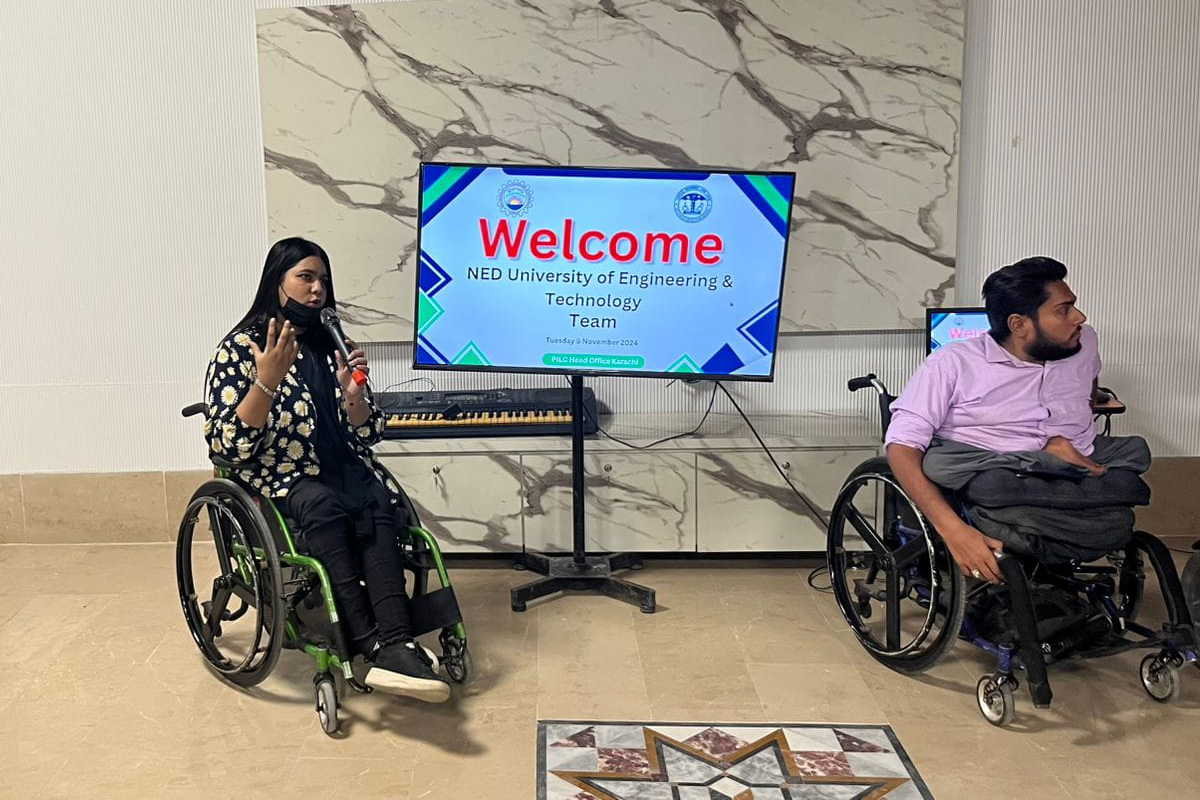
Non-profit Organization in Pakistan: Supporting Music Therapy for Disability
Introduction
Non-profit organization in Pakistan are the backbone of social welfare, providing crucial services to communities often underserved by public systems. These organizations focus on improving quality of life, promoting inclusion, and ensuring access to essential services for marginalized populations. Among their key contributions is support for persons with disabilities (PWDs), addressing physical, emotional, and cognitive challenges through rehabilitation programs.
One significant approach gaining attention is music therapy for disability, an innovative method that uses structured musical activities to support therapeutic goals. Through the combined efforts of committed staff, trained therapists, and supportive communities, non-profit organization in Pakistan are enabling PWDs to express themselves, enhance their skills, and improve overall well-being.
Overview of Non-Profit Organization in Pakistan
Non-profit organization in Pakistan operate across multiple sectors, including education, healthcare, poverty alleviation, and disability support. These organizations, often registered under the Societies Act or trust laws, rely on donations, grants, and volunteer efforts to implement programs.
In the disability sector, non-profit organizations bridge critical gaps by:
- Providing access to rehabilitation services and therapy
- Supporting education and vocational training
- Offering assistive devices and mobility aids
- Advocating for disability rights and inclusion
- Conducting awareness campaigns to reduce stigma
These efforts ensure that individuals with disabilities are not excluded from educational, social, or economic opportunities. By fostering accessibility and empowerment, NGOs strengthen the social fabric and promote equal participation.
NGO Role in Disability Rehabilitation
Disability rehabilitation is a core focus of many non-profit organization in Pakistan. Rehabilitation programs are designed to support physical, mental, and social development while enabling individuals to live independently and confidently.
NGOs adopt a holistic approach, providing services that include:
- Physiotherapy and occupational therapy to enhance mobility and functional skills
- Speech therapy and cognitive training to improve communication and learning
- Daily living skills training to encourage independence at home and in the community
- Peer support programs to foster social engagement and emotional resilience
By combining these services, NGOs ensure that PWDs are supported at every stage of life, from childhood to adulthood. Rehabilitation also includes specialized therapies, such as music therapy for disability, which uniquely addresses emotional, cognitive, and behavioral development.
What is Music Therapy for Disability?
Music therapy disability is a therapeutic approach where trained music therapists use music interventions to address physical, emotional, cognitive, and social needs. It involves activities such as singing, instrument playing, composing music, listening exercises, and rhythm-based exercises.
The therapy is highly adaptable and can be tailored to the abilities, preferences, and goals of each individual. For instance:
- Children with developmental disabilities may engage in rhythm and movement exercises to improve motor skills and focus.
- Adults with cognitive impairments may participate in singing or listening sessions to enhance memory and attention.
- Individuals facing emotional challenges may use songwriting or improvisation to express feelings safely and constructively.
Music therapy is evidence-based, combining psychological, neurological, and educational principles to promote holistic growth.
Emotional, Cognitive, and Behavioral Benefits
Music therapy provides a wide range of benefits for PWDs, contributing to improved mental health and functional independence. Some key advantages include
- Emotional well-being: Music reduces stress, anxiety, and frustration while increasing self-expression and mood regulation.
- Cognitive development: Memory, attention, problem-solving, and sequencing skills are enhanced through musical activities.
- Behavioral improvements: Engagement in structured musical sessions encourages self-discipline, patience, and positive social behavior.
- Social skills: Group sessions foster communication, teamwork, and peer bonding, promoting social inclusion.
- Confidence building: Mastering an instrument, rhythm, or vocal exercise empowers participants and strengthens self-esteem.
These benefits highlight how music therapy contributes not only to skill development but also to holistic rehabilitation.
Music Therapy for Children and Adults with Disabilities
NGO-led music therapy programs cater to both children and adults, recognizing that the needs of each group differ.
- Children: Programs focus on developmental milestones, speech and language skills, motor coordination, and social interaction. Activities often include drumming circles, sing-alongs, and interactive rhythm games that engage attention while fostering learning.
- Adults: Sessions address emotional regulation, memory retention, occupational skills, and community participation. Adults may participate in ensemble performances, songwriting projects, or individualized sessions that target specific therapeutic goals.
By providing age-appropriate, person-centered therapy, NGOs ensure that every participant receives meaningful support, regardless of age or disability type.
NGO-Led Music Therapy Programs in Pakistan
Several non-profit organization in Pakistan, including humanitarian and social welfare NGOs, have integrated music therapy for disability into their rehabilitation offerings. These programs are designed to be accessible, affordable, and inclusive, often involving collaboration with professional therapists, volunteers, and community members.
Key components of NGO music therapy programs include:
- Structured sessions: Weekly or bi-weekly sessions designed to meet specific developmental or therapeutic objectives.
- Individualized plans: Therapy tailored to each participant’s abilities, interests, and goals.
- Group engagement: Encourages teamwork, social interaction, and community inclusion.
- Integration with other services: Combined with physiotherapy, occupational therapy, counseling, and educational support.
- Community outreach: Mobile sessions in schools, community centers, or rural areas where access is limited.
These initiatives demonstrate NGOs’ commitment to providing innovative, holistic rehabilitation that addresses emotional, cognitive, and social needs.
Real-Life Impact and Outcomes
The impact of NGO-led music therapy programs is visible across multiple domains:
- Children with speech delays demonstrate improved verbal communication after consistent rhythm and vocal exercises.
- Individuals with autism spectrum disorders experience reduced anxiety, better focus, and enhanced social engagement.
- Adults with physical or cognitive disabilities gain confidence in daily routines, workplace participation, and public interaction.
- Families report improved emotional resilience and strengthened bonds through shared participation in music sessions.
Case examples underscore that music therapy is not merely an artistic activity but a powerful rehabilitative tool that fosters independence, self-expression, and social inclusion.
Call to Action: How You Can Support
Supporting NGOs that provide music therapy for PWDs ensures that more individuals can benefit from these transformative services. Ways to contribute include:
- Donate: Your contribution helps fund music therapy programs, purchase instruments, and train professional therapists.
- Volunteer: Participate in therapy sessions, assist in program logistics, or support community outreach initiatives.
- Spread awareness: Share information about music therapy benefits and PWD inclusion with your network.
- Collaborate: Corporates can partner with NGOs for CSR initiatives, sponsoring programs, or offering resources.
By engaging with non-profit organization in Pakistan, donors, families, and communities play a crucial role in enabling individuals with disabilities to reach their full potential through music therapy disability programs.
Conclusion
Non-profit organization in Pakistan are vital in creating an inclusive and supportive environment for persons with disabilities. Through initiatives like music therapy, these NGOs address not only physical and cognitive challenges but also emotional and social needs, enabling participants to lead independent, confident, and fulfilling lives.
Investing in music therapy programs ensures that PWDs have access to creative, empowering, and evidence-based rehabilitation. As a community, supporting non-profit organization in Pakistan strengthens the foundation for a society where disability does not limit opportunity, participation, or potential.
By donating, volunteering, or advocating, you contribute to a movement that makes therapy accessible, meaningful, and life-changing for countless individuals across the country.