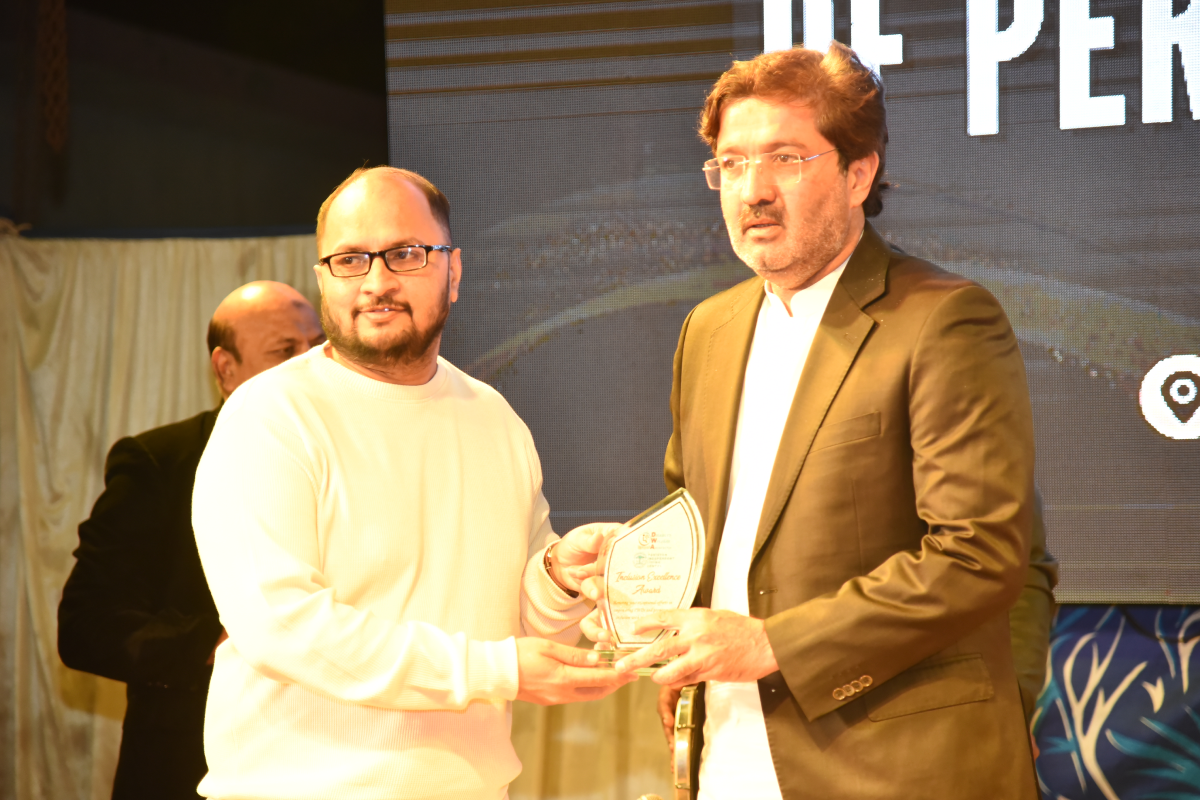
Top NGOs in Pakistan: Advancing Independence Through Comprehensive Support

Pakistan is home to a growing network of organizations committed to improving the lives of persons with disabilities. Top NGOs in Pakistan are recognized not by accolades, but by their consistent impact, ethical practices, and ability to deliver meaningful support. Their work strengthens independence, fosters inclusion, and builds capacity within families and communities.

A central component of these efforts is independent living services, designed to provide practical assistance while maintaining individual choice and dignity. By combining training, personal support, and community outreach, NGOs create pathways for persons with disabilities to participate fully in daily life.

Understanding Independent Living Services

Independent living services are programs and supports that enable persons with disabilities to manage daily routines, access opportunities, and maintain control over their lives. These services are grounded in the principle that independence is achieved through choice, capability, and guided support.

Rather than imposing assistance, these services are designed around the needs and preferences of each individual. By doing so, they enhance autonomy while providing practical tools for everyday living.

Core Services Provided by NGOs

Leading organizations offering independent living services focus on several key areas:

ADL Training

Activities of Daily Living (ADL) training equips individuals with the skills required for basic self-care. This includes personal hygiene, dressing, eating, and mobility. ADL training strengthens confidence and fosters self-reliance.

Attendant Services

Trained attendants provide hands-on support in accordance with individual preferences. Attendants assist with daily routines while respecting personal choice and boundaries. This ensures that help strengthens independence rather than creating reliance.

Outreach Programs

Outreach initiatives extend services to underserved and remote communities. Through awareness sessions, home visits, and mobile training, NGOs ensure that independent living services reach those who might otherwise be excluded.

Collaboration Among NGOs and Stakeholders

The effectiveness of top NGOs in Pakistan often relies on collaboration. By partnering with other organizations, community leaders, and advocacy groups, NGOs amplify their reach and create more comprehensive support networks.

Shared resources, joint training programs, and coordinated service delivery strengthen the impact of independent living initiatives. Collaboration ensures that best practices are shared and that individuals receive consistent support, regardless of their location.

Public and Private Sector Support

Government agencies, private institutions, and social enterprises play important roles in supporting NGOs. Funding, policy guidance, and infrastructure enhance the capacity of NGOs to deliver independent living services effectively.

Public-private collaboration also facilitates the integration of disability services into broader community programs, promoting accessibility and long-term sustainability.

Accessing or Supporting Services

Individuals and families can access independent living services through local offices, referral programs, or NGO-led outreach initiatives. Services are tailored to personal needs, ensuring that support is practical, respectful, and empowering.

Community members and volunteers can also contribute by raising awareness, providing resources, or advocating for policy improvements. Support from society strengthens the ability of top NGOs in Pakistan to reach more individuals and create meaningful change.

Building a Future of Inclusion and Autonomy

The work of top NGOs in Pakistan demonstrates that independence and inclusion are achievable when services are person-centered, ethical, and well-coordinated. Independent living services provide not only practical assistance but also confidence, dignity, and opportunity.

By investing in skills, personalized support, and community engagement, NGOs help individuals reclaim control over daily life. Families benefit, communities grow more inclusive, and society as a whole becomes more equitable.

Empowerment through structured support is the foundation of sustainable independence. With continued commitment from NGOs, stakeholders, and the public, persons with disabilities in Pakistan can experience lives of choice, participation, and dignity every day.
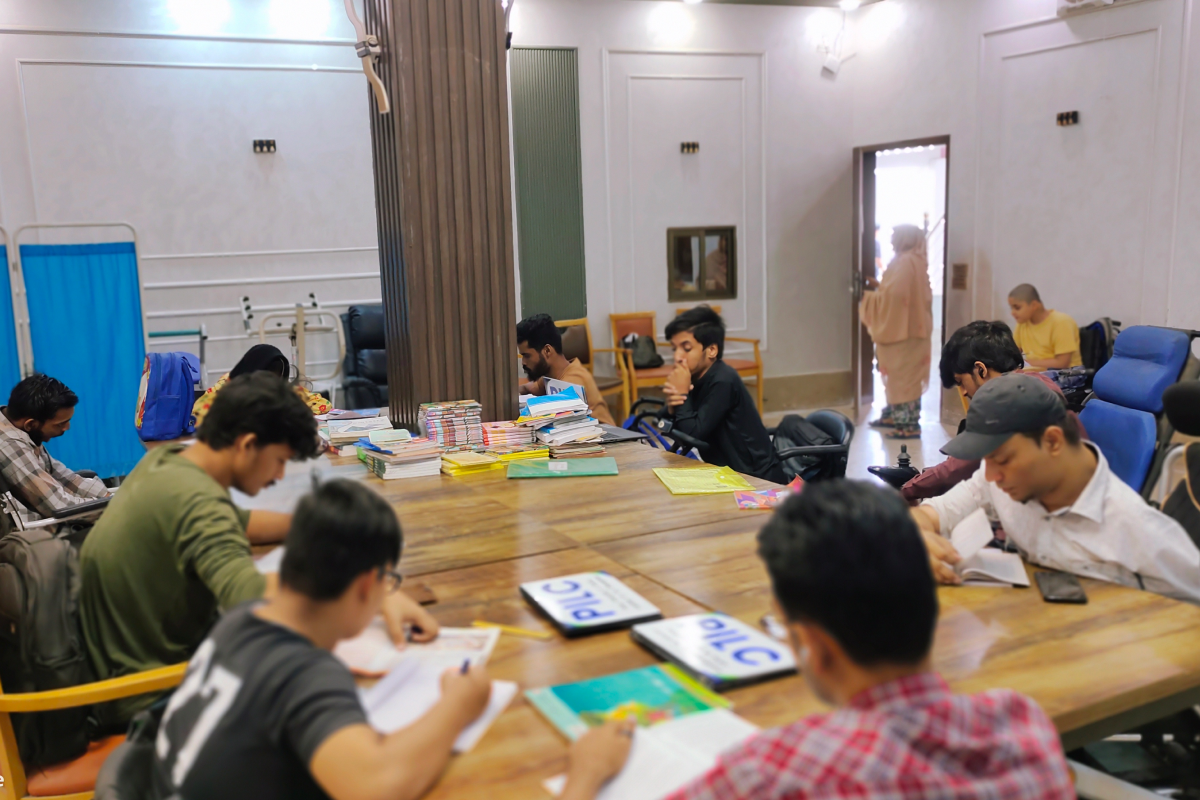
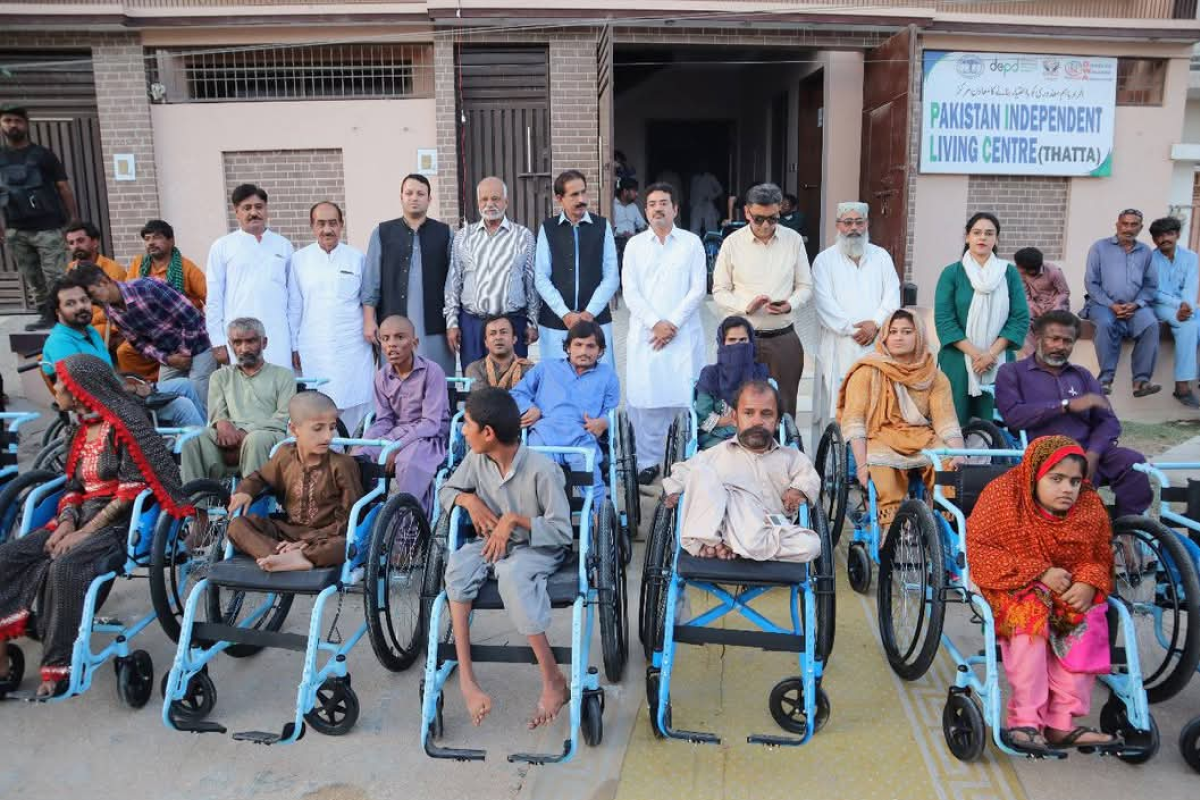
Top NGOs in Pakistan Strengthening Independent Living Life Skills for Persons with Disabilities

Introduction

Top NGOs in Pakistan play a vital role in improving the quality of life for persons with disabilities by addressing everyday challenges that often go unnoticed. Beyond medical care and financial aid, these organizations focus on practical abilities that allow individuals to live with dignity and self-reliance. One of the most impactful areas of work is building independent living life skills, which support daily functioning, decision-making, and community participation.

In a country where accessibility and social acceptance remain uneven, NGOs help bridge the gap between dependency and independence. Through structured training, family involvement, and community-based programs, NGOs are helping persons with disabilities move toward fuller inclusion in society.

Role of Top NGOs in Pakistan’s Disability Sector

The disability sector in Pakistan depends heavily on the commitment and outreach of NGOs. While government systems exist, NGOs often reach communities where public services are limited or absent. Top NGOs in Pakistan are recognized not only for service delivery but also for their understanding of real-life needs.

Their role includes:

  • Supporting independent living for persons with disabilities
  • Providing skill-based education beyond formal schooling
  • Engaging families and caregivers in rehabilitation
  • Advocating for accessibility and inclusion
  • Developing long-term community support systems

Rather than focusing only on short-term assistance, these organizations prioritize sustainable independence. Teaching independent living life skills allows individuals to manage daily routines and make informed choices about their lives.

Understanding Independent Living Life Skills

Independent living life skills refer to practical abilities that help a person manage everyday activities without constant assistance. These skills are essential for personal freedom, confidence, and participation in society.

Key areas of independent living life skills include:

  • Personal care and household management
  • Communication and social interaction
  • Transportation and mobility planning
  • Financial understanding and budgeting
  • Problem-solving and self-advocacy

For persons with disabilities, learning these skills often requires adaptive methods and supportive environments. NGOs design programs that respect individual abilities while promoting gradual independence.

Cooking and Household Management Skills

Cooking is a core life skill that directly affects health, routine, and confidence. NGOs teach adaptive cooking methods that consider different physical, sensory, or cognitive needs.

Training often includes:

  • Safe use of kitchen tools
  • Simple meal preparation
  • Understanding nutrition basics
  • Kitchen organization and cleanliness
  • Use of assistive tools for cooking

By mastering these skills, individuals gain control over daily meals and reduce reliance on others. For many participants, this is a major step toward independent living.

Transportation and Mobility Skills

Mobility is central to independence. Without transportation skills, education, work, and social activities remain out of reach. NGOs help individuals learn how to move safely and confidently within their communities.

Training focuses on:

  • Using public transport independently
  • Planning routes and travel time
  • Road safety awareness
  • Asking for assistance when needed
  • Using mobility aids effectively

These lessons support independent living life skills by allowing persons with disabilities to attend school, training centers, workplaces, and social events without fear or confusion.

Budgeting and Financial Awareness

Financial understanding is often overlooked in disability programs, yet it is essential for independence. NGOs teach basic money management in simple, practical ways.

Topics include:

  • Handling cash and digital payments
  • Monthly expense planning
  • Saving for personal needs
  • Understanding income and allowances
  • Making informed spending choices

These skills help individuals avoid financial dependence and develop a sense of responsibility. Over time, budgeting skills strengthen confidence and decision-making.

Communication and Social Interaction

Clear communication supports relationships, employment, and self-expression. NGOs work with participants to improve verbal, non-verbal, and alternative communication skills.

Training may include:

  • Expressing needs and preferences
  • Social etiquette in public settings
  • Workplace communication basics
  • Use of assistive communication tools
  • Confidence-building exercises

Improved communication reduces isolation and supports stronger social connections, a key goal of independent living life skills programs.

NGO Training Models for Life Skills

Top NGOs in Pakistan use structured yet flexible training models that adapt to individual needs. These models often combine theory with hands-on practice.

Common approaches include:

  • Small group workshops
  • One-on-one coaching sessions
  • Home-based skill training
  • Community practice activities
  • Family and caregiver involvement

Training is paced to match the learner’s comfort level, ensuring skills are understood and applied in real-life situations rather than taught in isolation.

Measuring Progress and Independence

Tracking progress is essential to ensure that life skills training leads to real change. NGOs use practical indicators rather than complex assessments.

Progress is measured through:

  • Ability to complete tasks independently
  • Reduced reliance on caregivers
  • Improved confidence in public spaces
  • Consistent use of learned skills
  • Feedback from families and participants

These outcomes help NGOs refine their programs and demonstrate impact to donors, partners, and communities.

Long-Term Impact on Inclusion

When individuals develop independent living life skills, the impact extends beyond the person. Families experience reduced caregiving pressure, communities become more inclusive, and society benefits from active participation.

Long-term outcomes include:

  • Increased readiness for employment or education
  • Stronger self-esteem and personal identity
  • Greater community engagement
  • Reduced social isolation
  • Improved quality of life

This is why top NGOs in Pakistan place such importance on life skills training; it creates lasting change rather than temporary support.

Conclusion

The contribution of top NGOs in Pakistan to disability inclusion goes far beyond basic services. By focusing on independent living life skills, these organizations help persons with disabilities gain control over daily life, build confidence, and participate more fully in society.

Cooking, transportation, budgeting, and communication may seem simple, but for many individuals, they represent freedom and dignity. With continued support, structured training, and community involvement, NGOs are helping turn independence into a lived reality for persons with disabilities across Pakistan.

Humanitarian NGO in Pakistan: Supporting Occupational Therapy for PWDs

Introduction

Humanitarian NGOs in Pakistan play a critical role in improving the lives of individuals who face social, physical, and economic challenges. Among these, persons with disabilities (PWDs) often require targeted interventions to access equal opportunities and live independently. Humanitarian NGOs bridge the gap by providing essential services, fostering inclusion, and advocating for rights. One of the key services that enhance the well-being of PWDs is occupational therapy for PWD, which focuses on enabling individuals to perform daily activities safely, confidently, and independently.

Role of Humanitarian NGOs in Disability Support

In Pakistan, many PWDs face barriers such as limited accessibility, social stigma, and lack of specialized care. Humanitarian NGOs in Pakistan address these challenges by offering a range of support services, including rehabilitation, education, skill-building, and health interventions. They provide a safe environment where individuals can learn new skills, participate in community activities, and gain access to assistive devices and therapies.

Humanitarian NGOs also advocate for inclusive policies and ensure that occupational therapy for PWD programs are integrated into broader social welfare initiatives. By combining professional therapy services with social support, these organizations enable PWDs to engage fully in their communities.

What is Occupational Therapy for PWDs?

Occupational therapy (OT) for PWDs is a client-centered approach that helps individuals achieve functional independence in their daily lives. The therapy focuses on enhancing physical, cognitive, and emotional skills needed to perform activities such as self-care, household management, learning, work tasks, and community participation.

OT sessions are personalized based on the individual’s needs and abilities. For example, a person with limited mobility may receive training to safely use adaptive tools, while someone with a sensory impairment may practice techniques to improve coordination and communication.

Importance of Occupational Therapy in Daily Functioning

Daily functioning is central to independence and self-esteem. Occupational therapy for PWD ensures that individuals can participate in essential activities, whether at home, school, or the workplace. Some of the benefits include:

  • Enhanced mobility and coordination: OT techniques help PWDs move safely and perform tasks with reduced risk of injury.
  • Improved self-care: Skills such as dressing, grooming, and feeding are taught to increase autonomy.
  • Mental and emotional support: Engaging in purposeful activities boosts confidence, reduces stress, and enhances motivation.
  • Community engagement: OT encourages participation in social and recreational activities, promoting inclusion.

These benefits contribute to a better quality of life, allowing PWDs to live with dignity and independence.

Types of Occupational Therapy Services

Humanitarian NGOs in Pakistan provide a range of occupational therapy services tailored to different disabilities and age groups:

  • Physical OT: Focuses on improving mobility, strength, and coordination for persons with physical disabilities.
  • Sensory integration therapy: Helps individuals with sensory processing disorders to manage stimuli effectively.
  • Cognitive therapy: Supports problem-solving, memory, and decision-making skills.
  • Self-care and daily living training: Teaches techniques for dressing, cooking, cleaning, and personal hygiene.
  • Work-related OT: Prepares individuals for employment by developing job-specific skills.
  • Adaptive device training: Assists in learning to use wheelchairs, crutches, assistive communication devices, or modified tools.

By offering a combination of these services, NGOs ensure holistic support for PWDs at home, school, or the workplace.

How NGOs Provide Occupational Therapy in Pakistan

Humanitarian NGOs in Pakistan have established structured programs to deliver OT services effectively. This includes:

  • Specialized therapy centers: Equipped with tools, adaptive devices, and trained therapists to address diverse needs.
  • Home-based therapy: Therapists visit clients at home to provide personalized support, especially for those with severe disabilities.
  • Community outreach programs: NGOs conduct workshops in rural and urban areas to educate families and caregivers about OT techniques.
  • Integration with other services: OT is combined with physiotherapy, counseling, vocational training, and life skills workshops for comprehensive support.
  • Training and capacity-building: NGOs train local staff, volunteers, and caregivers to ensure sustainable delivery of occupational therapy.

This multi-layered approach ensures that services are accessible, inclusive, and adapted to each individual’s environment.

Impact on Independence and Quality of Life

The effects of occupational therapy are profound and measurable. PWDs who engage in regular OT programs gain:

  • Greater independence in performing daily activities.
  • Improved physical health and mobility.
  • Increased confidence and self-esteem.
  • Opportunities to pursue education or employment.
  • Social inclusion and community participation.

Humanitarian NGOs in Pakistan report that OT not only improves practical skills but also strengthens emotional resilience. PWDs become active participants in their communities, challenging stereotypes and promoting the idea that disability is not inability.

Success Stories

Many individuals have benefitted from occupational therapy programs offered by humanitarian NGOs:

  • A young adult with cerebral palsy learned to use adaptive utensils and a wheelchair efficiently, enabling her to attend college independently.
  • Children with developmental delays gained essential self-care skills, allowing them to integrate into mainstream schools successfully.
  • Adults with mobility impairments received job-related OT, enabling them to perform tasks in small businesses and NGOs.

These stories highlight how occupational therapy for PWD transforms lives and opens pathways to inclusion, education, and employment.

Call to Action

Humanitarian NGOs rely on support from communities, donors, and volunteers to continue providing occupational therapy and other disability services. Here’s how you can contribute:

  • Donate: Your financial contribution helps fund therapy programs, purchase adaptive equipment, and maintain therapy centers.
  • Volunteer: Skilled volunteers can assist therapists, support therapy sessions, or participate in community outreach.
  • Spread awareness: Share information about occupational therapy and disability inclusion with your networks.
  • Get involved in programs: Families and caregivers can participate in workshops to better support PWDs at home.

Supporting humanitarian NGOs strengthens the foundation for independent living and ensures that persons with disabilities in Pakistan receive the care, respect, and opportunities they deserve.