Top NGOs in Pakistan: Advancing Independence Through Comprehensive Support

Pakistan is home to a growing network of organizations committed to improving the lives of persons with disabilities. Top NGOs in Pakistan are recognized not by accolades, but by their consistent impact, ethical practices, and ability to deliver meaningful support. Their work strengthens independence, fosters inclusion, and builds capacity within families and communities.

A central component of these efforts is independent living services, designed to provide practical assistance while maintaining individual choice and dignity. By combining training, personal support, and community outreach, NGOs create pathways for persons with disabilities to participate fully in daily life.

Understanding Independent Living Services

Independent living services are programs and supports that enable persons with disabilities to manage daily routines, access opportunities, and maintain control over their lives. These services are grounded in the principle that independence is achieved through choice, capability, and guided support.

Rather than imposing assistance, these services are designed around the needs and preferences of each individual. By doing so, they enhance autonomy while providing practical tools for everyday living.

Core Services Provided by NGOs

Leading organizations offering independent living services focus on several key areas:

ADL Training

Activities of Daily Living (ADL) training equips individuals with the skills required for basic self-care. This includes personal hygiene, dressing, eating, and mobility. ADL training strengthens confidence and fosters self-reliance.

Attendant Services

Trained attendants provide hands-on support in accordance with individual preferences. Attendants assist with daily routines while respecting personal choice and boundaries. This ensures that help strengthens independence rather than creating reliance.

Outreach Programs

Outreach initiatives extend services to underserved and remote communities. Through awareness sessions, home visits, and mobile training, NGOs ensure that independent living services reach those who might otherwise be excluded.

Collaboration Among NGOs and Stakeholders

The effectiveness of top NGOs in Pakistan often relies on collaboration. By partnering with other organizations, community leaders, and advocacy groups, NGOs amplify their reach and create more comprehensive support networks.

Shared resources, joint training programs, and coordinated service delivery strengthen the impact of independent living initiatives. Collaboration ensures that best practices are shared and that individuals receive consistent support, regardless of their location.

Public and Private Sector Support

Government agencies, private institutions, and social enterprises play important roles in supporting NGOs. Funding, policy guidance, and infrastructure enhance the capacity of NGOs to deliver independent living services effectively.

Public-private collaboration also facilitates the integration of disability services into broader community programs, promoting accessibility and long-term sustainability.

Accessing or Supporting Services

Individuals and families can access independent living services through local offices, referral programs, or NGO-led outreach initiatives. Services are tailored to personal needs, ensuring that support is practical, respectful, and empowering.

Community members and volunteers can also contribute by raising awareness, providing resources, or advocating for policy improvements. Support from society strengthens the ability of top NGOs in Pakistan to reach more individuals and create meaningful change.

Building a Future of Inclusion and Autonomy

The work of top NGOs in Pakistan demonstrates that independence and inclusion are achievable when services are person-centered, ethical, and well-coordinated. Independent living services provide not only practical assistance but also confidence, dignity, and opportunity.

By investing in skills, personalized support, and community engagement, NGOs help individuals reclaim control over daily life. Families benefit, communities grow more inclusive, and society as a whole becomes more equitable.

Empowerment through structured support is the foundation of sustainable independence. With continued commitment from NGOs, stakeholders, and the public, persons with disabilities in Pakistan can experience lives of choice, participation, and dignity every day.
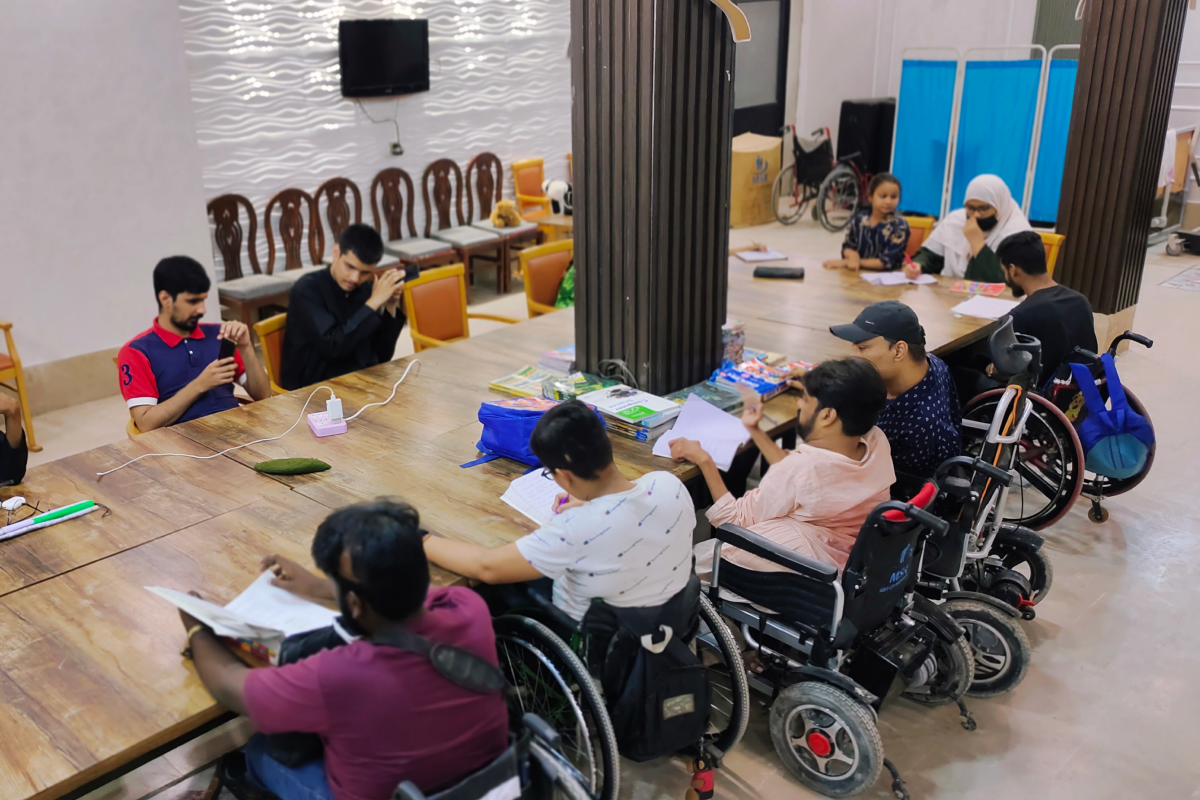

Best NGO in Pakistan: Supporting Daily Independence With Care and Dignity

The phrase best NGO in Pakistan carries weight but must be understood ethically. It is not a claim of superiority; it reflects consistent impact, transparency, and community trust. For persons with disabilities, the best NGO in Pakistan is one that prioritizes human dignity, practical support, and long-term empowerment.

A cornerstone of this support is independent living daily support, which enables individuals to manage routines, maintain control over their lives, and participate meaningfully in society. When daily needs are met with respect and consistency, independence is strengthened, and families experience relief and reassurance.

Understanding the Role of Daily Support in Independent Living

Independent living daily support refers to assistance with essential tasks that make daily life manageable, safe, and autonomous. It is not about creating dependency; it is about providing tools, guidance, and hands-on help in a way that respects choice and personal control.

Daily support may include:

  • Mobility assistance within the home and community
  • Personal care and hygiene
  • Meal preparation and household management
  • Communication and social engagement support

When delivered thoughtfully, this support allows persons with disabilities to focus energy on education, work, or creative pursuits while maintaining dignity in everyday life.

Types of Daily Support Services Offered

The best NGO in Pakistan ensures that independent living daily support is comprehensive and adaptable. Services are tailored to individual needs and may include:

  • Personal Care Support – Assistance with bathing, dressing, grooming, and toileting
  • Mobility Support – Help with moving around safely at home or in public spaces
  • Household Management – Guidance on cooking, cleaning, and maintaining living spaces
  • Communication Support – Assistance with devices, understanding information, or expressing needs

Each service is delivered within a framework of respect, privacy, and person-directed control.

NGO-Supported Independent Living Models

Independent living models provided by NGOs are designed around the individual. Instead of imposing routines, the person receiving support remains the decision-maker. Independent living daily support is a tool for maintaining this autonomy rather than replacing it.

Programs often include:

  • Personalized planning based on ability and preference
  • Trained attendants who follow guidance rather than dictate routines
  • Regular monitoring to ensure safety, effectiveness, and dignity

By combining structured support with ethical oversight, the best NGO in Pakistan ensures independence is sustainable and meaningful.

Measurable Impact on Daily Life

The effect of independent living daily support is visible in day-to-day routines. Individuals experience:

  • Increased confidence in managing personal tasks
  • Reduced reliance on family for daily care
  • Improved participation in social, educational, and employment activities
  • Greater sense of control and self-worth

These measurable outcomes reflect the effectiveness of programs offered by the best NGO in Pakistan, demonstrating that independence is not abstract but a tangible improvement in quality of life.

Vision for Inclusive and Independent Living

A best NGO in Pakistan envisions a society where persons with disabilities can live independently, contribute to their communities, and pursue personal goals without unnecessary barriers. Independent living daily support is central to this vision, providing the foundation for skill development, autonomy, and confidence.

Empowered individuals strengthen families, transform community attitudes, and promote inclusive social structures. NGOs that focus on practical, respectful, and person-centered support create ripple effects that extend far beyond the immediate services provided.

Building a Future of Choice and Capability

Independence is realized when support respects human dignity, prioritizes ethical practice, and encourages personal growth. By providing consistent independent living daily support, the best NGO in Pakistan ensures that persons with disabilities are not only supported but also empowered to live lives defined by their own choices.

Through structured programs, attentive training, and ongoing community engagement, independent living becomes more than a goal; it becomes a way of life. A society that invests in such support invests in equality, opportunity, and lasting social impact.

Leading NGO in Pakistan: Promoting Independence Through Skilled Support

For persons with disabilities, meaningful independence depends on access to professional, reliable, and respectful assistance. A leading NGO in Pakistan is defined not only by its reputation but also by the quality of services, ethical standards, and measurable impact it achieves for the communities it serves.

One of the most important services offered by such organizations is support from trained personnel. An independent living attendant provides hands-on assistance that allows individuals to carry out daily routines safely and confidently while retaining authority over their own lives.

Defining a Leading NGO in Pakistan

A leading NGO in Pakistan demonstrates accountability, transparency, and consistent service quality. These organizations prioritize mission-driven outcomes over visibility or recognition. Key features include:

  • Structured and ethical service delivery
  • Focus on measurable outcomes and impact
  • Qualified and trained staff
  • Advocacy for inclusion and human rights

Leadership is reflected in long-term commitment to communities, responsiveness to feedback, and the ability to innovate while maintaining standards. Trust is earned through consistent action and measurable benefits for persons with disabilities.

The Role of an Independent Living Attendant

An independent living attendant serves as a bridge between personal ability and practical independence. Attendants assist with daily activities such as mobility, personal care, and household routines. Their role is to support without overriding the individual’s choices.

Rather than performing tasks without guidance, a skilled attendant follows instruction, maintains boundaries, and encourages decision-making. This person-centered approach allows the individual to retain control while receiving essential support.

At PILC, the independent living attendant is trained to provide assistance that strengthens independence rather than creating dependency.

Training and Professionalism of Attendants

The quality of support depends directly on the preparation of attendants. A leading NGO in Pakistan invests in comprehensive training that includes:

  • Safe handling techniques and mobility assistance
  • Communication and active listening skills
  • Understanding of disability rights and ethical conduct
  • Problem-solving and adaptive support strategies

Professionalism is reinforced through ongoing mentorship, regular evaluation, and adherence to clear ethical standards. Well-trained attendants create an environment of trust, safety, and dignity.

Person-Centered Support Approach

Person-centered support is central to the philosophy of independent living. Services are designed around the individual’s abilities, preferences, and goals rather than fitting the person into rigid routines.

The independent living attendant works in partnership with the individual, encouraging autonomy in daily routines. Each plan is tailored to personal needs, ensuring that support is relevant, flexible, and respectful.

This approach strengthens confidence and provides a foundation for sustained independence over time.

Quality Assurance and Monitoring

A leading NGO in Pakistan ensures accountability through rigorous quality assurance and monitoring systems. Regular performance checks, feedback loops, and transparent reporting mechanisms help maintain high standards of service.

Monitoring ensures that attendants consistently follow person-centered practices and adhere to ethical guidelines. It also allows organizations to adjust training, policies, and support methods based on observed needs and outcomes.

Positive Outcomes for Independence

When persons with disabilities receive support from skilled independent living attendants, the impact is significant. Individuals experience:

  • Improved ability to perform daily activities
  • Greater confidence and self-reliance
  • Reduced strain on families and caregivers
  • Increased participation in education, work, and community life

The combination of professional support, ethical standards, and person-centered planning allows independence to grow sustainably, reinforcing the role of a leading NGO in Pakistan as both service provider and advocate.

Building a Future of Respect and Autonomy

Independence is a right, not a privilege. By providing structured, skilled support, a leading NGO in Pakistan helps persons with disabilities claim that right in practical ways. Independent living attendants are essential to this process, translating philosophy into daily action while ensuring safety, dignity, and personal choice.

Through consistent service, careful monitoring, and professional training, NGOs strengthen individual autonomy and contribute to inclusive, capable communities. Independent living becomes not just a goal, but a reality experienced every day.

Strengthening Independent Living Through Household Skills and Community Support

Daily life is shaped by routine activities carried out within the home. For persons with disabilities, the ability to manage household responsibilities plays a major role in confidence, stability, and participation in family life. Across the country, a social welfare NGO in Pakistan, serves as a vital support system by providing structured training, guidance, and resources that help individuals build practical life skills.

Household skill development is not only about tasks; it is about dignity and self-reliance. When individuals are supported in learning how to manage their own living spaces, they gain greater control over their lives and futures.

The Role of Social Welfare NGOs in Pakistan

In Pakistan, social welfare organizations fill critical gaps where public services are limited or inconsistent. A social welfare NGO in Pakistan works closely with communities to address practical needs while advocating for inclusion and equal opportunity.

These organizations often provide disability-focused services such as skill training, personal support, awareness programs, and family guidance. Their work is rooted in understanding local realities and responding with solutions that are realistic and accessible.

By focusing on community-based support, NGOs help persons with disabilities remain connected to family life rather than being isolated or dependent on institutional care.

Why Household Training Matters for Persons With Disabilities

Managing household responsibilities is a key part of independent living. Household training for PWD supports individuals in developing the skills needed to take part in daily home life with confidence.

Without proper training, many persons with disabilities are excluded from household activities, not due to inability, but due to lack of opportunity and guidance. Structured training helps break this pattern by building practical competence step by step.

This kind of training also supports emotional well-being. When individuals contribute to their households, they experience a stronger sense of belonging and self-worth.

Core Household Skills That Support Daily Independence

Household training programs focus on practical skills that are essential for daily living. These skills are taught in ways that respect individual ability and personal pace.

Cooking and Meal Preparation

Cooking skills include safe food handling, basic meal preparation, and use of kitchen tools. Household training for PWD adapts techniques to ensure safety while encouraging participation in meal planning and preparation.

Cleaning and Home Organization

Cleaning tasks such as sweeping, organizing, and maintaining personal spaces help individuals take responsibility for their environment. Training focuses on methods that reduce physical strain and support consistency.

Budgeting and Expense Awareness

Understanding household expenses is an important life skill. Basic budgeting helps individuals make informed decisions about daily spending, contributing to greater financial awareness.

Home Safety Practices

Safety training includes identifying hazards, managing emergency situations, and maintaining a safe living space. These skills reduce risk and support confidence within the home.

Each of these skills contributes to long-term independence when practiced regularly with proper support.

How NGOs Deliver Household Training Programs

A social welfare NGO in Pakistan designs household training programs that are practical, flexible, and person-focused. Training is often delivered through hands-on sessions rather than theoretical instructin.

Programs usually include:

  • Individual assessments to understand support needs
  • Step-by-step skill development
  • Ongoing guidance and encouragement
  • Coordination with families for continuity at home

By offering household training for PWD within a supportive framework, NGOs help individuals apply skills directly to their own living situations rather than abstract settings.

Support Systems That Make Training Effective

Effective household training does not happen in isolation. It requires consistent support systems that reinforce learning over time.

NGOs often work closely with families to ensure that skills learned during training are practiced at home. This collaboration helps prevent skill loss and builds shared understanding between individuals and caregivers.

A social welfare NGO in Pakistan also connects individuals to peer support, community activities, and additional services that strengthen overall independence.

Benefits for Families and Independent Living

The impact of household training for PWD extends beyond the individual. Families benefit when household responsibilities are shared more evenly, reducing emotional and physical pressure on caregivers.

As individuals gain confidence in managing daily tasks, family relationships often improve. Support shifts from constant assistance to cooperation and mutual respect.

From an independent living perspective, household skills form the foundation of autonomy. When individuals can manage their homes, they are better prepared for future goals such as shared living, employment, or independent housing.

Building Confidence Through Everyday Skills

Confidence grows through action. Each household task completed independently reinforces a sense of capability. Over time, these small achievements add up to meaningful change.

A social welfare NGO in Pakistan plays an important role in creating environments where persons with disabilities are encouraged to try, learn, and grow without fear of failure.

Training programs that focus on patience and consistency help individuals see themselves as capable contributors rather than passive recipients of care.

A Path Toward Sustainable Independence

Independent living is strengthened when individuals have both skills and support. Household training for PWD provides a practical pathway toward managing daily life with greater control and assurance.

Through community-based programs, ethical practice, and family involvement, NGOs continue to support persons with disabilities in building stable and fulfilling lives.

The work of a social welfare NGO in Pakistan is not limited to training alone. It is about creating conditions where independence can develop naturally, one skill at a time.

When individuals are supported in managing their own homes, independence becomes part of everyday life, not a distant goal.

Leading NGO in Pakistan Driving Inclusive Workplaces for Persons with Disabilities

Introduction

A leading NGO in Pakistan is defined not by scale alone, but by its ability to create lasting change where it matters most people’s lives. In the disability sector, leadership means moving beyond awareness and charity toward real participation in education, employment, and economic life. One of the strongest indicators of such leadership is the promotion of an inclusive workplace for PWD, where persons with disabilities are respected, supported, and given equal opportunities to contribute.

Across Pakistan, many persons with disabilities remain excluded from formal employment despite having skills and motivation. NGOs that work closely with employers and communities help close this gap by building systems that support inclusion, dignity, and shared growth.

Characteristics of a Leading NGO in Pakistan

A leading NGO in Pakistan shows consistency in values, programs, and partnerships. Leadership in the disability field is rooted in accountability and people-centered action.

Key characteristics include:

  • Clear commitment to disability inclusion
  • Strong community engagement
  • Evidence-based programs with measurable outcomes
  • Transparency in funding and reporting
  • Collaboration with public and private sectors

Such NGOs focus on removing barriers rather than placing limits. Their work reflects respect for ability, not assumptions about disability.

Understanding the Concept of an Inclusive Workplace

An inclusive workplace for PWD is one where persons with disabilities can work safely, productively, and with dignity. Inclusion is not about sympathy; it is about fairness and equal access.

An inclusive workplace ensures:

  • Equal opportunity in hiring and promotion
  • Physical and digital accessibility
  • Respectful workplace culture
  • Fair performance evaluation
  • Support systems that allow employees to succeed

When inclusion is embedded into workplace culture, organizations benefit from diverse perspectives and stronger teams.

Barriers to Employment for Persons with Disabilities

Despite legal frameworks and growing awareness, many persons with disabilities still face challenges in employment.

Common barriers include:

  • Physical inaccessibility of offices
  • Lack of employer awareness
  • Limited access to assistive tools
  • Misconceptions about productivity
  • Absence of inclusive HR policies

A leading NGO in Pakistan addresses these barriers through advocacy, training, and employer engagement rather than placing responsibility solely on individuals.

Reasonable Accommodations for PWDs at Work

Reasonable accommodations are adjustments that allow employees with disabilities to perform their roles effectively without creating undue burden for employers. These accommodations are often simple and cost-effective.

Examples include:

  • Adjustable desks and seating
  • Screen readers or captioning software
  • Flexible working hours
  • Remote or hybrid work options
  • Clear communication methods

When employers understand that accommodations support performance rather than hinder it, inclusion becomes a practical decision rather than a perceived risk.

Role of Employer Awareness and Training

Many employers are willing to hire persons with disabilities but lack understanding of how to support them. NGOs play a vital role in filling this gap.

Employer training programs often cover:

  • Disability awareness and respectful communication
  • Understanding different types of disabilities
  • Legal responsibilities and rights
  • Inclusive recruitment practices
  • Managing diverse teams

By providing structured guidance, a leading NGO in Pakistan helps organizations move from intention to action.

Building Inclusive Hiring Practices

Inclusive hiring starts with fair recruitment processes. NGOs work with companies to review and improve their hiring methods so that candidates with disabilities are not excluded unintentionally.

Inclusive hiring practices include:

  • Accessible job descriptions
  • Skills-based assessments instead of assumptions
  • Flexible interview formats
  • Bias-free evaluation criteria
  • Clear accommodation policies

These changes allow employers to identify talent based on ability and potential.

NGO and Corporate Sector Collaboration

True workplace inclusion requires collaboration. A leading NGO in Pakistan acts as a bridge between persons with disabilities and the corporate sector.

Collaboration areas include:

  • Job placement support
  • Internship and apprenticeship programs
  • On-the-job coaching
  • Policy development for inclusion
  • Monitoring workplace inclusion outcomes

Through partnership, NGOs help companies build inclusive systems while ensuring employees with disabilities receive ongoing support.

CSR and Disability-Inclusive Employment

Corporate Social Responsibility (CSR) has shifted from donation-based models to long-term impact initiatives. Disability-inclusive employment is a growing focus within CSR strategies.

CSR-linked inclusion efforts involve:

  • Funding accessibility improvements
  • Supporting skill development programs
  • Creating inclusive work policies
  • Promoting disability leadership within teams
  • Reporting inclusion outcomes transparently

NGOs guide companies in aligning CSR goals with inclusive employment practices that benefit both business and society.

Benefits of Inclusive Employment for Organizations

Inclusive workplaces do not only benefit employees with disabilities; they strengthen organizations as a whole.

Key benefits include:

  • Broader talent pool
  • Higher employee engagement
  • Stronger organizational reputation
  • Improved teamwork and innovation
  • Better compliance with social responsibility standards

An inclusive workplace for PWD reflects a company’s commitment to fairness and long-term growth.

Social and Economic Impact of Inclusive Workplaces

When persons with disabilities gain access to employment, the impact extends beyond the workplace.

Broader outcomes include:

  • Increased household income
  • Reduced dependency
  • Greater community participation
  • Improved self-confidence and dignity
  • Positive role models for inclusion

A leading NGO in Pakistan recognizes that employment is not only an economic issue but also a social one that shapes identity and belonging.

Sustaining Inclusive Employment Practices

Inclusion is not a one-time effort. Sustainable change requires continuous learning, evaluation, and adaptation.

NGOs support sustainability by:

  • Conducting follow-up assessments
  • Offering refresher training
  • Supporting conflict resolution
  • Updating accessibility practices
  • Sharing inclusion success stories

Long-term partnerships help organizations maintain inclusive practices as they grow.

Conclusion

A leading NGO in Pakistan is one that actively shapes systems where persons with disabilities can work, contribute, and grow with confidence. By promoting an inclusive workplace for PWD, such NGOs help redefine employment as a shared opportunity rather than a selective privilege.

Through employer training, reasonable accommodations, and strong corporate partnerships, NGOs create pathways toward dignified employment. Inclusive workplaces benefit individuals, strengthen organizations, and contribute to a more fair and balanced society, making inclusion not just a goal but a shared responsibility.

Best NGO in Pakistan Supporting Independent Living Activities for Persons with Disabilities

Introduction

The phrase best NGO in Pakistan carries responsibility, not promotion. In the disability sector, being “best” is not about visibility or funding alone. It reflects ethical practice, long-term impact, and respect for the dignity of persons with disabilities. NGOs working in independent living understand that real change begins with daily life, not slogans.

Across Pakistan, persons with disabilities face barriers that affect confidence, routine, and participation. Independent living activities help bridge this gap by supporting everyday tasks that build self-reliance. When NGOs focus on these activities, they move closer to what truly defines the best NGO in Pakistan one that improves lives in meaningful and measurable ways.

Ethical Meaning of “Best NGO in Pakistan”

In the context of disability inclusion, the best NGO in Pakistan is defined by values rather than claims. Ethical NGOs place people before programs and long-term growth before short-term visibility.

Key ethical principles include:

  • Respect for autonomy and personal choice
  • Inclusion of persons with disabilities in decision-making
  • Transparency in services and resource use
  • Equal access regardless of background or income
  • Focus on independence rather than dependency

An NGO earns trust by supporting individuals in ways that strengthen their ability to live with confidence and self-direction.

Understanding Independent Living Activities

Independent living activities are everyday actions that allow a person to manage their own life with minimal assistance. These activities form the foundation of independence and are essential for dignity and self-worth.

Common independent living activities include:

  • Personal care and hygiene
  • Managing daily schedules
  • Household responsibilities
  • Social interaction and communication
  • Community participation

For persons with disabilities, these activities may require adaptive methods, structured training, and ongoing support. NGOs play a central role in making these skills accessible.

Daily Routines That Build Confidence

Confidence grows through repetition and success in everyday tasks. NGOs design routines that allow individuals to practice independence in safe and supportive environments.

Daily routines often focus on:

  • Waking up and managing time
  • Dressing and grooming independently
  • Preparing simple meals
  • Organizing personal belongings
  • Planning daily activities

When individuals complete these routines on their own, even small achievements contribute to stronger self-belief. Over time, these routines become habits that support independent living.

Self-Care Activities and Personal Responsibility

Self-care is a core part of independent living activities. It goes beyond hygiene and includes awareness of personal needs, health, and emotional well-being.

NGO-supported self-care training includes:

  • Bathing and grooming techniques
  • Medication awareness and reminders
  • Understanding nutrition and hydration
  • Managing rest and physical comfort
  • Asking for help when necessary

Learning self-care reduces reliance on caregivers and increases personal responsibility. This shift often changes how individuals see themselves and how families support them.

Social Activities That Encourage Participation

Social connection is essential for mental health and inclusion. NGOs organize social activities that help persons with disabilities engage with others in meaningful ways.

These activities may include:

  • Group discussions and peer meetups
  • Community events and outings
  • Communication skill sessions
  • Recreational clubs and hobby groups
  • Team-based learning activities

Through social interaction, individuals gain confidence, improve communication, and reduce isolation. Social participation is a key outcome of effective independent living activities.

Recreational Activities and Emotional Well-Being

Recreation is often overlooked, yet it plays a strong role in emotional balance and motivation. NGOs include recreational activities as part of independent living programs to support overall well-being.

Examples include:

  • Art and creative expression
  • Music and movement sessions
  • Indoor and outdoor games
  • Storytelling and group reading
  • Relaxation and mindfulness exercises

These activities provide enjoyment while helping individuals express emotions, manage stress, and connect with others.

Community-Based Independent Living Programs

The best NGO in Pakistan understands that independence does not develop in isolation. Community-based programs allow individuals to practice skills in real-life settings.

Such programs include:

  • Practicing shopping at local markets
  • Using public transport with guidance
  • Visiting community centers
  • Participating in neighborhood events
  • Learning community safety awareness

By engaging with their surroundings, persons with disabilities gain confidence in navigating daily life beyond controlled environments.

Role of NGOs in Supporting Independent Living Activities

NGOs provide structured support that adapts to individual needs. Rather than applying one method to everyone, programs are adjusted based on ability, age, and personal goals.

NGO support includes:

  • Individual skill assessments
  • Customized activity plans
  • Trained support staff and therapists
  • Family guidance and involvement
  • Regular progress monitoring

This personalized approach is what separates meaningful programs from surface-level interventions.

Measuring Impact Beyond Numbers

Impact in disability work is not always visible through statistics alone. NGOs measure success through changes in daily life and personal growth.

Indicators of impact include:

  • Increased task completion without assistance
  • Improved confidence in public settings
  • Greater participation in family decisions
  • Reduced caregiver dependency
  • Positive feedback from participants

These outcomes reflect real progress toward independence and dignity.

Long-Term Value of Independent Living Activities

Independent living activities create lasting change. When individuals gain practical skills, the benefits extend to families, communities, and society.

Long-term outcomes include:

  • Better readiness for education or employment
  • Stronger social relationships
  • Improved mental and emotional health
  • Increased self-respect and confidence
  • Greater inclusion in community life

This is why NGOs committed to independence are often recognized as leaders in the disability sector.

Conclusion

Being the best NGO in Pakistan is not about claiming status; it is about earning trust through consistent, ethical, and people-centered work. Independent living activities lie at the heart of this mission, helping persons with disabilities manage daily life with confidence and choice.

By supporting self-care, social participation, recreation, and community engagement, NGOs create pathways toward independence that last. When individuals are supported in everyday routines, independence becomes possible, meaningful, and sustainable.

Humanitarian NGO in Pakistan Serving Humanity With Compassion

Introduction

In Pakistan, a humanitarian non-governmental organization (NGO) is essential to helping disadvantaged people in times of disaster and ongoing adversity. A humanitarian-focused NGO in Pakistan strives to preserve human dignity and save lives, whether it be in response to natural disasters, poverty, disability, or social injustice. These groups serve as a link between immediate help and long-term development in a nation where millions of people struggle with social and economic issues.

Humanitarian work involves more than just responding to emergencies; it also involves empowering individuals, rebuilding hope, and establishing long-lasting support networks. This blog emphasizes the significance of humanitarian NGOs in Pakistan, describes their services, explains why they are acknowledged, and demonstrates how people can support their work.

Importance of NGOs in Pakistan

Humanitarian issues like floods, earthquakes, health emergencies, relocation, and pervasive poverty are commonplace in Pakistan. Many communities struggle on a daily basis with restricted access to social inclusion, healthcare, and education in addition to these catastrophes. NGOs are essential in this situation.

NGOs are crucial in Pakistan for the following reasons:

  • Provide emergency assistance in times of natural calamities.
  • Assisting vulnerable and low-income communities.
  • Providing food, shelter, and medical attention.
  • Encouraging social welfare and inclusion for people with disabilities.
  • Enhancing readiness and resilience in the community.

A conscientious social welfare organization recognizes the needs of the community and acts promptly, effectively, and morally. In order to ensure that aid reaches those who need it most, humanitarian NGOs frequently operate in places with limited resources.

Why This NGO Is Recognized

A reputable humanitarian NGO in Pakistan is identified by its deeds and outcomes rather than its assertions. Years of reliable service, open operations, and respect for human rights are the foundations of recognition.

Humanitarian NGOs are recognized for the following main reasons:

  • Strong dedication to humanitarian ideals.
  • Open usage of donations and finances.
  • Design and execution with the community in mind.
  • Competent groups with social and emergency response training.
  • Collaborations with universities and communities in the area.

A reputable nonprofit Pakistan places a high value on responsibility and moral principles. These NGOs gain the public’s trust and sustained support by remaining transparent and concentrating on actual impact.

Services & Programs

A well-structured humanitarian NGO in Pakistan provides both emergency and long-term support programs. These services aim to reduce suffering while also addressing root causes of vulnerability.

Common non-profit services in Pakistan offered by humanitarian NGOs include:

  • Emergency relief and disaster response.
  • Food distribution and nutrition support.
  • Basic healthcare and medical assistance.
  • Shelter, rehabilitation, and recovery programs.
  • Disability support and inclusive development services.
  • Community awareness and capacity-building initiatives.

Each program is designed to restore dignity and independence. A reliable NGO in Pakistan continuously evaluates its services to ensure they are effective, inclusive, and sustainable.

Impact & Community Support

The impact of a humanitarian NGO in Pakistan is visible in the lives it touches and the communities it strengthens. True humanitarian impact goes beyond numbers and focuses on long-term change.

Positive outcomes often include:

  • Faster recovery after disasters.
  • Improved access to basic needs and services.
  • Greater inclusion of persons with disabilities.
  • Stronger community cooperation and resilience.
  • Increased awareness of humanitarian and social values.

Community trust grows when people see consistent care and respectful engagement. A dedicated social welfare organization works alongside communities rather than over them, ensuring solutions are locally relevant and lasting.

How to Support or Get Involved

To continue their job, humanitarian NGOs rely on teamwork. In addition to monetary contributions, support can take many other forms.

In Pakistan, there are several ways to help a humanitarian NGO:

  • Volunteering time or expertise.
  • Donations are made based on capacity.
  • Assisting with emergency requests in times of need.
  • Taking part in lobbying and awareness campaigns.
  • Collaborating via moral business practices.

In Pakistan, a transparent charitable organization fosters long-term commitment and trust by keeping donors aware about the use of their contributions.

Conclusion

A humanitarian NGO in Pakistan stands at the forefront of compassion, service, and social responsibility. By responding to emergencies and investing in long-term community development, these organizations help build a more resilient and inclusive society.

Supporting a credible NGO in Pakistan that delivers impactful non-profit services Pakistan means contributing to hope, dignity, and sustainable change. Through shared effort and humanity-focused action, humanitarian NGOs continue to make a meaningful difference in the lives of millions across Pakistan.

Trusted NGO in Pakistan Supporting Communities With Integrity

Introduction

Credibility, consistency, and a sincere dedication to people are characteristics of a trusted NGO in Pakistan. The function of a trustworthy NGO in Pakistan becomes crucial in a nation where many communities struggle with poverty, obstacles relating to disabilities, restricted access to education, and health issues. Trust is developed via years of sincere service, open operations, and significant results rather than assertions.

When people think their time, money, and energy are being used appropriately, they support non-governmental organizations. This blog explores the importance of trust, how NGOs benefit society, and what characteristics make an organization deserving of public respect and long-term trust.

Importance of NGOs in Pakistan

Poverty, unemployment, disability inclusion, educational disparities, and disaster relief are just a few of the many issues facing Pakistan’s society. NGOs fill in gaps when resources are scarce or systems require more assistance.

NGOs are crucial in Pakistan for the following reasons:

  • Giving marginalized communities access to necessary services.
  • Assisting underprivileged groups and those with impairments.
  • Enhancing chances for livelihood, health, and education.
  • Providing assistance amid earthquakes, floods, and displacement.
  • Raising awareness of shared duty, rights, and dignity.

Rather of operating above communities, a decent social welfare institution collaborates directly with them. This strategy contributes to the long-term relevance, respect, and efficacy of support.

Why This NGO Is Recognized as Trusted

A trusted NGO in Pakistan earns its reputation through actions, not publicity. Recognition comes from years of ethical work, openness, and reliability.

Key qualities that build trust include:

  • Clear mission focused on people rather than numbers.
  • Transparent financial practices and proper reporting.
  • Community involvement in planning and decision-making.
  • Skilled teams with strong ethical values.
  • Long-term presence and consistent service delivery.

A dependable charity organization Pakistan does not disappear after a project ends. It stays connected, listens to feedback, and improves its work continuously. Trust grows when communities see steady effort and honest communication.

Services & Programs

A trusted NGO in Pakistan provides structured programs that address both immediate needs and long-term development. These services are designed to support dignity, independence, and participation.

Common non-profit services in Pakistan offered by trusted NGOs include:

  • Disability rehabilitation and independent living support.
  • Education assistance and skill development programs.
  • Employment preparation and livelihood guidance.
  • Health awareness and basic care initiatives.
  • Community outreach and inclusion activities.

Each program is developed with care, ensuring it responds to real needs rather than assumptions. A credible NGO in Pakistan regularly reviews its services to maintain quality and accountability.

Impact & Community Support

The real strength of a trusted NGO in Pakistan lies in its impact on everyday lives. Impact is seen in increased confidence, improved stability, and stronger community ties.

Positive outcomes often include:

  • Greater independence for individuals and families.
  • Improved access to education and work opportunities.
  • Reduced social isolation and stronger inclusion.
  • Increased awareness of social responsibility.
  • Community networks that continue support beyond projects.

When people feel heard and respected, they support the organization in return. This mutual trust allows a social welfare organization to grow responsibly and reach more communities without losing its values.

How to Support or Get Involved

Trustworthy NGOs rely on collective effort. Individuals, professionals, and institutions all have a role to play in sustaining meaningful work.

Ways to support a trusted NGO in Pakistan include:

  • Volunteering abilities, time, or expertise.
  • Giving in accordance with one’s own ability.
  • Supporting campaigns for advocacy and awareness.
  • Collaborating through moral business assistance.
  • Distributing factual information on the activity of NGOs.

A transparent charity organization in Pakistan guarantees that donors are aware of how their gifts are utilized, boosting trust and sustained involvement.

Conclusion

A trusted NGO in Pakistan stands as a symbol of reliability, care, and social responsibility. Through honest practices, people-centered programs, and lasting community relationships, such organizations help create real change where it is needed most.

By supporting a credible NGO in Pakistan that delivers meaningful non-profit services to Pakistan, individuals and institutions contribute to a stronger, fairer society. Trust, once earned, becomes the foundation for sustainable progress and shared well-being across communities.

Leading NGO in Pakistan Driving Social Welfare and Community Care

Introduction

Millions of individuals in Pakistan are impacted by social inequalities, which are addressed in large part by a prominent leading NGO in Pakistan. A reputable non-governmental organization works at the grassroots level where actual problems exist, from education and community care to poverty and disability help. The existence of a responsible non-governmental organization NGO in Pakistan contributes to the provision of respectful, useful, and consistent assistance to disadvantaged groups.

People are looking more and more for reputable organizations that combine accountability and compassion as societal demands increase. This blog outlines the importance of a major non-governmental organization, how it benefits society, and what makes them trustworthy foundations of social growth.

Importance of NGOs in Pakistan

Pakistan faces complex social and economic challenges, including limited access to healthcare, education gaps, unemployment, and social exclusion of marginalized groups. In these conditions, NGOs act as essential support systems.

The importance of NGOs in Pakistan includes:

  • Helping people and families who don’t have access to essential services.
  • Enhancing inclusion for vulnerable groups and those with impairments.
  • Supplying chances for livelihood, education, and rehabilitation.
  • Providing emergency assistance in the event of earthquakes, floods, and displacement.
  • Educating people about social responsibility, rights, and dignity.

A committed social welfare organization works closely with communities to understand real needs instead of applying one-size-fits-all solutions. This approach builds trust and long-term improvement.

Why This NGO Is Recognized as a Leading Organization

Being known as a leading NGO in Pakistan is the result of sustained effort, ethical practice, and visible community outcomes. Recognition comes from consistency, transparency, and people-centered work.

Key reasons such NGOs stand out include:

  • Clear mission focused on human dignity and fairness.
  • Transparent use of funds and open reporting systems.
  • Programs designed with community participation.
  • Skilled staff, trained volunteers, and ethical leadership.
  • Long-term commitment rather than short-term projects.

A reliable charity organization Pakistan earns respect by listening to communities, responding responsibly, and staying accountable to both beneficiaries and supporters.

Services & Programs

A leading NGO in Pakistan offers structured services that address both immediate needs and long-term development. These programs are designed to be inclusive, accessible, and sustainable.

Common non-profit services Pakistan provided by leading NGOs include:

  • Disability rehabilitation and independent living support.
  • Education access and learning assistance programs.
  • Skills development and income-generation initiatives.
  • Health awareness and basic medical support.
  • Community outreach and social awareness activities.

Each program is reviewed regularly to ensure it remains relevant and effective. A professional NGO in Pakistan focuses on quality, respect, and measurable outcomes rather than numbers alone.

Impact & Community Support

The true value of a leading NGO in Pakistan is reflected in the lives it supports. Impact is not measured only by reports but by visible changes in confidence, stability, and participation.

Beneficial effects on the community include:

  • Increased personal autonomy and self-sufficiency.
  • Improved access to career and educational opportunities.
  • Decreased social isolation as a result of inclusive activities.
  • Increased understanding of shared responsibilities and rights.
  • Stronger local networks that last over time.

Community trust grows when a social welfare organization remains present, honest, and responsive. This trust allows programs to succeed and expand responsibly.

How to Support or Get Involved

Shared responsibility is essential to the operations of a prominent leading NGO in Pakistan. Institutions, companies, and individuals can all make significant contributions.

There are several ways to assist or participate:

  • Volunteering time, skills, or professional expertise.
  • Giving of one’s time, abilities, or experience.
  • Contributing money using one’s own resources.
  • Supporting campaigns for advocacy and awareness.
  • Collaborating on corporate social responsibility initiatives.
  • Distributing factual information on the activity of NGOs.

A transparent charity organization in Pakistan guarantees that supporters are aware of how their donations are used, boosting trust and responsibility.

Conclusion

A leading NGO in Pakistan serves as a cornerstone of social welfare, inclusion, and community care. Through ethical practices, people-focused programs, and long-term dedication, such organizations help bridge gaps that public systems alone cannot always address.

By supporting a trusted NGO in Pakistan that provides meaningful non-profit services in Pakistan, individuals and institutions contribute to a society built on fairness, dignity, and shared responsibility. These organizations remind us that steady, honest effort can create lasting positive change for communities across the country.

Best NGO in Pakistan: Building Trust Through Social Welfare and Community Care

Introduction

People are looking for dependability, honesty, and significant service when they search for the best NGO in Pakistan. Millions of people nationwide depend on non-governmental groups for assistance with community development, health, education, disability care, and disaster relief. For NGOs in Pakistan who frequently stay outside the official assistance networks, a reputable NGO provides a lifeline.

A top social welfare organization’s strength is its capacity to consistently, respectfully, and accountably address actual needs. This blog examines why some NGOs are thought to be the greatest in Pakistan and how their work continues to responsibly influence people’s lives and communities.

Importance of NGOs in Pakistan

Pakistan is confronted with numerous social and economic difficulties. Disability marginalization, unemployment, poverty, and restricted access to services are still major issues. NGOs are essential because they fill in the gaps left by official systems’ inability to reach everyone.

The significance of NGOs comprises:

  • Assisting neglected urban and rural populations.
  • Offering services for rehabilitation, health awareness, and education.
  • Encouraging the inclusion of underprivileged groups and people with impairments.
  • Providing emergency assistance in times of crisis, earthquake, and flood.
  • Educating people about social responsibility, rights, and dignity.

A trustworthy charity organization Pakistan works closely with communities, making sure that assistance is developed through communication and understanding rather than being imposed. Effective NGOs differ from temporary relief initiatives in that they use a community-centered approach.

Why This NGO Is Recognized as the Best

Being known as the best NGO in Pakistan is not about visibility alone. Recognition comes from long-term commitment, transparent practices, and steady outcomes that improve daily lives.

Key reasons a leading NGO earns this reputation include:

  • Clear values focused on human dignity and fairness.
  • Honest use of funds with strong accountability systems.
  • Programs shaped by real community needs.
  • Skilled staff and trained volunteers working together.
  • Respect for cultural, social, and accessibility needs.

A trusted NGO in Pakistan does not promise quick solutions. Instead, it invests time in building relationships and ensuring that support leads to stability rather than dependency.

Services & Programs

The best NGO in Pakistan usually offers a wide range of well-organized programs. These services are designed to address both immediate needs and long-term development.

Common non-profit services in Pakistan include:

  • Disability rehabilitation and independent living support
  • Education access for children and youth
  • Skills training and livelihood development
  • Health awareness and basic medical assistance
  • Community outreach and social awareness programs

A responsible social welfare organization regularly reviews its services to ensure quality, relevance, and accessibility. Programs are delivered with respect, privacy, and sensitivity toward those receiving support.

Impact & Community Support

Impact is the true measure of any NGO’s work. The best NGO in Pakistan shows clear results through stronger individuals and more connected communities.

Visible impact includes:

  • Improved independence and confidence among persons with disabilities.
  • Better access to education and income opportunities.
  • Reduced isolation through community participation.
  • Increased awareness of rights and social inclusion.
  • Strong local networks built on mutual support.

Community trust grows when people see honesty, consistency, and care. A dependable charity organization in Pakistan shares its progress openly and remains accountable to both beneficiaries and supporters.

How to Support or Get Involved

Effective NGOs depend on teamwork. NGO In Pakistan, there are other ways to support a reputable NGO than just giving money.

Among the ways to help are:

  • Volunteering time or expertise.
  • Donating in accordance with one’s own means.
  • Assisting with advocacy and awareness campaigns.
  • Collaborating via corporate social responsibility programs.
  • Exchanging information in both personal and business settings.

A transparent social welfare organization clearly explains how support is used and ensures that every contribution makes a real difference.

Conclusion

The best NGO in Pakistan stands out through honest service, responsible leadership, and deep respect for people and communities. In a country where social challenges are complex, NGOs remain essential partners in building fairness, inclusion, and opportunity.

A committed NGO in Pakistan, a charity organization in Pakistan, and a provider of reliable non-profit services Pakistan does more than offer help. It supports dignity, strengthens communities, and creates pathways for people to live with confidence and purpose.

Choosing to support a credible social welfare organization means becoming part of a shared effort to build a more caring and inclusive society one step, one life, and one community at a time.