
Leading NGO in Pakistan: Promoting Independence Through Skilled Support

For persons with disabilities, meaningful independence depends on access to professional, reliable, and respectful assistance. A leading NGO in Pakistan is defined not only by its reputation but also by the quality of services, ethical standards, and measurable impact it achieves for the communities it serves.

One of the most important services offered by such organizations is support from trained personnel. An independent living attendant provides hands-on assistance that allows individuals to carry out daily routines safely and confidently while retaining authority over their own lives.

Defining a Leading NGO in Pakistan

A leading NGO in Pakistan demonstrates accountability, transparency, and consistent service quality. These organizations prioritize mission-driven outcomes over visibility or recognition. Key features include:

  • Structured and ethical service delivery
  • Focus on measurable outcomes and impact
  • Qualified and trained staff
  • Advocacy for inclusion and human rights

Leadership is reflected in long-term commitment to communities, responsiveness to feedback, and the ability to innovate while maintaining standards. Trust is earned through consistent action and measurable benefits for persons with disabilities.

The Role of an Independent Living Attendant

An independent living attendant serves as a bridge between personal ability and practical independence. Attendants assist with daily activities such as mobility, personal care, and household routines. Their role is to support without overriding the individual’s choices.

Rather than performing tasks without guidance, a skilled attendant follows instruction, maintains boundaries, and encourages decision-making. This person-centered approach allows the individual to retain control while receiving essential support.

At PILC, the independent living attendant is trained to provide assistance that strengthens independence rather than creating dependency.

Training and Professionalism of Attendants

The quality of support depends directly on the preparation of attendants. A leading NGO in Pakistan invests in comprehensive training that includes:

  • Safe handling techniques and mobility assistance
  • Communication and active listening skills
  • Understanding of disability rights and ethical conduct
  • Problem-solving and adaptive support strategies

Professionalism is reinforced through ongoing mentorship, regular evaluation, and adherence to clear ethical standards. Well-trained attendants create an environment of trust, safety, and dignity.

Person-Centered Support Approach

Person-centered support is central to the philosophy of independent living. Services are designed around the individual’s abilities, preferences, and goals rather than fitting the person into rigid routines.

The independent living attendant works in partnership with the individual, encouraging autonomy in daily routines. Each plan is tailored to personal needs, ensuring that support is relevant, flexible, and respectful.

This approach strengthens confidence and provides a foundation for sustained independence over time.

Quality Assurance and Monitoring

A leading NGO in Pakistan ensures accountability through rigorous quality assurance and monitoring systems. Regular performance checks, feedback loops, and transparent reporting mechanisms help maintain high standards of service.

Monitoring ensures that attendants consistently follow person-centered practices and adhere to ethical guidelines. It also allows organizations to adjust training, policies, and support methods based on observed needs and outcomes.

Positive Outcomes for Independence

When persons with disabilities receive support from skilled independent living attendants, the impact is significant. Individuals experience:

  • Improved ability to perform daily activities
  • Greater confidence and self-reliance
  • Reduced strain on families and caregivers
  • Increased participation in education, work, and community life

The combination of professional support, ethical standards, and person-centered planning allows independence to grow sustainably, reinforcing the role of a leading NGO in Pakistan as both service provider and advocate.

Building a Future of Respect and Autonomy

Independence is a right, not a privilege. By providing structured, skilled support, a leading NGO in Pakistan helps persons with disabilities claim that right in practical ways. Independent living attendants are essential to this process, translating philosophy into daily action while ensuring safety, dignity, and personal choice.

Through consistent service, careful monitoring, and professional training, NGOs strengthen individual autonomy and contribute to inclusive, capable communities. Independent living becomes not just a goal, but a reality experienced every day.
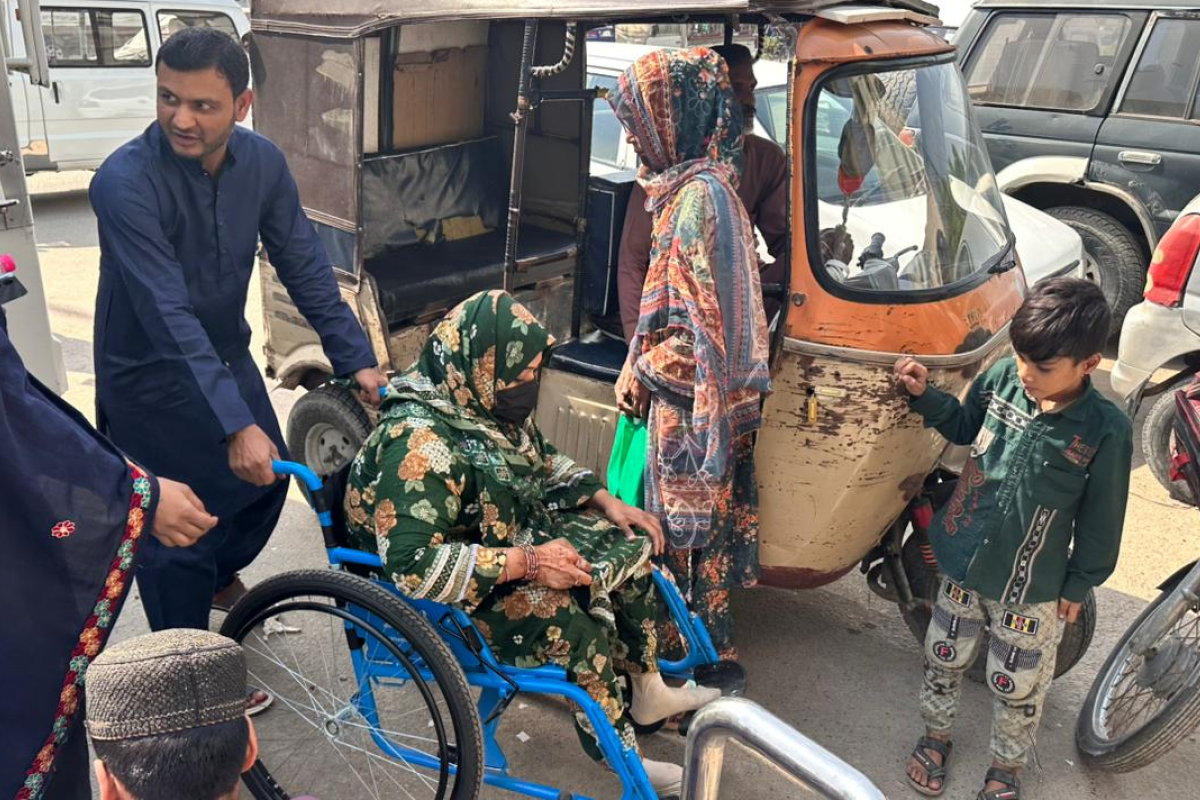
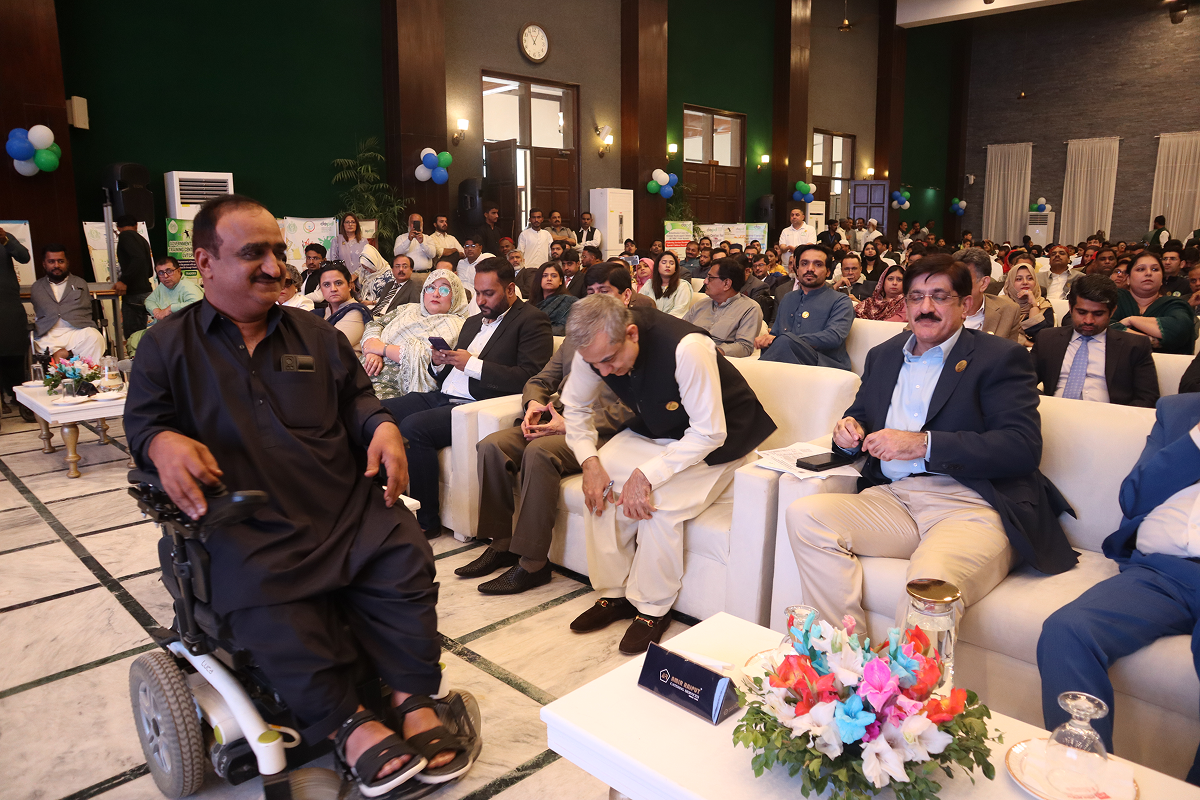
Leading NGO in Pakistan Driving Inclusive Workplaces for Persons with Disabilities

Introduction

A leading NGO in Pakistan is defined not by scale alone, but by its ability to create lasting change where it matters most people’s lives. In the disability sector, leadership means moving beyond awareness and charity toward real participation in education, employment, and economic life. One of the strongest indicators of such leadership is the promotion of an inclusive workplace for PWD, where persons with disabilities are respected, supported, and given equal opportunities to contribute.

Across Pakistan, many persons with disabilities remain excluded from formal employment despite having skills and motivation. NGOs that work closely with employers and communities help close this gap by building systems that support inclusion, dignity, and shared growth.

Characteristics of a Leading NGO in Pakistan

A leading NGO in Pakistan shows consistency in values, programs, and partnerships. Leadership in the disability field is rooted in accountability and people-centered action.

Key characteristics include:

  • Clear commitment to disability inclusion
  • Strong community engagement
  • Evidence-based programs with measurable outcomes
  • Transparency in funding and reporting
  • Collaboration with public and private sectors

Such NGOs focus on removing barriers rather than placing limits. Their work reflects respect for ability, not assumptions about disability.

Understanding the Concept of an Inclusive Workplace

An inclusive workplace for PWD is one where persons with disabilities can work safely, productively, and with dignity. Inclusion is not about sympathy; it is about fairness and equal access.

An inclusive workplace ensures:

  • Equal opportunity in hiring and promotion
  • Physical and digital accessibility
  • Respectful workplace culture
  • Fair performance evaluation
  • Support systems that allow employees to succeed

When inclusion is embedded into workplace culture, organizations benefit from diverse perspectives and stronger teams.

Barriers to Employment for Persons with Disabilities

Despite legal frameworks and growing awareness, many persons with disabilities still face challenges in employment.

Common barriers include:

  • Physical inaccessibility of offices
  • Lack of employer awareness
  • Limited access to assistive tools
  • Misconceptions about productivity
  • Absence of inclusive HR policies

A leading NGO in Pakistan addresses these barriers through advocacy, training, and employer engagement rather than placing responsibility solely on individuals.

Reasonable Accommodations for PWDs at Work

Reasonable accommodations are adjustments that allow employees with disabilities to perform their roles effectively without creating undue burden for employers. These accommodations are often simple and cost-effective.

Examples include:

  • Adjustable desks and seating
  • Screen readers or captioning software
  • Flexible working hours
  • Remote or hybrid work options
  • Clear communication methods

When employers understand that accommodations support performance rather than hinder it, inclusion becomes a practical decision rather than a perceived risk.

Role of Employer Awareness and Training

Many employers are willing to hire persons with disabilities but lack understanding of how to support them. NGOs play a vital role in filling this gap.

Employer training programs often cover:

  • Disability awareness and respectful communication
  • Understanding different types of disabilities
  • Legal responsibilities and rights
  • Inclusive recruitment practices
  • Managing diverse teams

By providing structured guidance, a leading NGO in Pakistan helps organizations move from intention to action.

Building Inclusive Hiring Practices

Inclusive hiring starts with fair recruitment processes. NGOs work with companies to review and improve their hiring methods so that candidates with disabilities are not excluded unintentionally.

Inclusive hiring practices include:

  • Accessible job descriptions
  • Skills-based assessments instead of assumptions
  • Flexible interview formats
  • Bias-free evaluation criteria
  • Clear accommodation policies

These changes allow employers to identify talent based on ability and potential.

NGO and Corporate Sector Collaboration

True workplace inclusion requires collaboration. A leading NGO in Pakistan acts as a bridge between persons with disabilities and the corporate sector.

Collaboration areas include:

  • Job placement support
  • Internship and apprenticeship programs
  • On-the-job coaching
  • Policy development for inclusion
  • Monitoring workplace inclusion outcomes

Through partnership, NGOs help companies build inclusive systems while ensuring employees with disabilities receive ongoing support.

CSR and Disability-Inclusive Employment

Corporate Social Responsibility (CSR) has shifted from donation-based models to long-term impact initiatives. Disability-inclusive employment is a growing focus within CSR strategies.

CSR-linked inclusion efforts involve:

  • Funding accessibility improvements
  • Supporting skill development programs
  • Creating inclusive work policies
  • Promoting disability leadership within teams
  • Reporting inclusion outcomes transparently

NGOs guide companies in aligning CSR goals with inclusive employment practices that benefit both business and society.

Benefits of Inclusive Employment for Organizations

Inclusive workplaces do not only benefit employees with disabilities; they strengthen organizations as a whole.

Key benefits include:

  • Broader talent pool
  • Higher employee engagement
  • Stronger organizational reputation
  • Improved teamwork and innovation
  • Better compliance with social responsibility standards

An inclusive workplace for PWD reflects a company’s commitment to fairness and long-term growth.

Social and Economic Impact of Inclusive Workplaces

When persons with disabilities gain access to employment, the impact extends beyond the workplace.

Broader outcomes include:

  • Increased household income
  • Reduced dependency
  • Greater community participation
  • Improved self-confidence and dignity
  • Positive role models for inclusion

A leading NGO in Pakistan recognizes that employment is not only an economic issue but also a social one that shapes identity and belonging.

Sustaining Inclusive Employment Practices

Inclusion is not a one-time effort. Sustainable change requires continuous learning, evaluation, and adaptation.

NGOs support sustainability by:

  • Conducting follow-up assessments
  • Offering refresher training
  • Supporting conflict resolution
  • Updating accessibility practices
  • Sharing inclusion success stories

Long-term partnerships help organizations maintain inclusive practices as they grow.

Conclusion

A leading NGO in Pakistan is one that actively shapes systems where persons with disabilities can work, contribute, and grow with confidence. By promoting an inclusive workplace for PWD, such NGOs help redefine employment as a shared opportunity rather than a selective privilege.

Through employer training, reasonable accommodations, and strong corporate partnerships, NGOs create pathways toward dignified employment. Inclusive workplaces benefit individuals, strengthen organizations, and contribute to a more fair and balanced society, making inclusion not just a goal but a shared responsibility.

Leading NGO in Pakistan Driving Social Welfare and Community Care

Introduction

Millions of individuals in Pakistan are impacted by social inequalities, which are addressed in large part by a prominent leading NGO in Pakistan. A reputable non-governmental organization works at the grassroots level where actual problems exist, from education and community care to poverty and disability help. The existence of a responsible non-governmental organization NGO in Pakistan contributes to the provision of respectful, useful, and consistent assistance to disadvantaged groups.

People are looking more and more for reputable organizations that combine accountability and compassion as societal demands increase. This blog outlines the importance of a major non-governmental organization, how it benefits society, and what makes them trustworthy foundations of social growth.

Importance of NGOs in Pakistan

Pakistan faces complex social and economic challenges, including limited access to healthcare, education gaps, unemployment, and social exclusion of marginalized groups. In these conditions, NGOs act as essential support systems.

The importance of NGOs in Pakistan includes:

  • Helping people and families who don’t have access to essential services.
  • Enhancing inclusion for vulnerable groups and those with impairments.
  • Supplying chances for livelihood, education, and rehabilitation.
  • Providing emergency assistance in the event of earthquakes, floods, and displacement.
  • Educating people about social responsibility, rights, and dignity.

A committed social welfare organization works closely with communities to understand real needs instead of applying one-size-fits-all solutions. This approach builds trust and long-term improvement.

Why This NGO Is Recognized as a Leading Organization

Being known as a leading NGO in Pakistan is the result of sustained effort, ethical practice, and visible community outcomes. Recognition comes from consistency, transparency, and people-centered work.

Key reasons such NGOs stand out include:

  • Clear mission focused on human dignity and fairness.
  • Transparent use of funds and open reporting systems.
  • Programs designed with community participation.
  • Skilled staff, trained volunteers, and ethical leadership.
  • Long-term commitment rather than short-term projects.

A reliable charity organization Pakistan earns respect by listening to communities, responding responsibly, and staying accountable to both beneficiaries and supporters.

Services & Programs

A leading NGO in Pakistan offers structured services that address both immediate needs and long-term development. These programs are designed to be inclusive, accessible, and sustainable.

Common non-profit services Pakistan provided by leading NGOs include:

  • Disability rehabilitation and independent living support.
  • Education access and learning assistance programs.
  • Skills development and income-generation initiatives.
  • Health awareness and basic medical support.
  • Community outreach and social awareness activities.

Each program is reviewed regularly to ensure it remains relevant and effective. A professional NGO in Pakistan focuses on quality, respect, and measurable outcomes rather than numbers alone.

Impact & Community Support

The true value of a leading NGO in Pakistan is reflected in the lives it supports. Impact is not measured only by reports but by visible changes in confidence, stability, and participation.

Beneficial effects on the community include:

  • Increased personal autonomy and self-sufficiency.
  • Improved access to career and educational opportunities.
  • Decreased social isolation as a result of inclusive activities.
  • Increased understanding of shared responsibilities and rights.
  • Stronger local networks that last over time.

Community trust grows when a social welfare organization remains present, honest, and responsive. This trust allows programs to succeed and expand responsibly.

How to Support or Get Involved

Shared responsibility is essential to the operations of a prominent leading NGO in Pakistan. Institutions, companies, and individuals can all make significant contributions.

There are several ways to assist or participate:

  • Volunteering time, skills, or professional expertise.
  • Giving of one’s time, abilities, or experience.
  • Contributing money using one’s own resources.
  • Supporting campaigns for advocacy and awareness.
  • Collaborating on corporate social responsibility initiatives.
  • Distributing factual information on the activity of NGOs.

A transparent charity organization in Pakistan guarantees that supporters are aware of how their donations are used, boosting trust and responsibility.

Conclusion

A leading NGO in Pakistan serves as a cornerstone of social welfare, inclusion, and community care. Through ethical practices, people-focused programs, and long-term dedication, such organizations help bridge gaps that public systems alone cannot always address.

By supporting a trusted NGO in Pakistan that provides meaningful non-profit services in Pakistan, individuals and institutions contribute to a society built on fairness, dignity, and shared responsibility. These organizations remind us that steady, honest effort can create lasting positive change for communities across the country.