Financial Independence for Disabled Persons
Introduction
For people with disabilities, one of the most important issues is still economic security. Income opportunities are frequently limited by mobility issues, job restrictions, and limited access to education. However, capability is not defined by impairment. Many people are entirely capable of earning, managing resources, and participating in home and community life with the right support mechanisms.
The Pakistan Independent Living Center’s emphasis on financial independence disabled for people with disabilities reflects the idea that engaging in the economy is a right rather than a privilege. People with disabilities have more influence over their lives and choices when mobility assistance, inclusive opportunities, and skill development are combined.
Meaning of Financial Independence
For people with disabilities, financial independence is the capacity to generate income, control spending, and make financial decisions without continually depending on others. It means having the flexibility to decide how one lives, works, and makes plans for the future rather than being alone or totally self-sufficient.
Access is the first step towards financial independence for many people with disabilities. People can engage in economic activities in accordance with their ability when they have access to education, training, transportation, and adaptable instruments.
Emotional well-being is also supported by stable income. Confidence and self-respect increase when people are able to plan ahead, contribute to family expenses, and meet their own needs. Long-term stability and increased social involvement are frequently the results of this sense of control.
Barriers to Economic Participation
Despite capability, many persons with disabilities face structural barriers. These include inaccessible workplaces, limited transport options, social misconceptions, and lack of adaptive equipment.
Mobility challenges, in particular, restrict access to employment and training centers. Without appropriate mobility support, individuals may be excluded before their skills are even recognized. This is where assistive tools such as a wheelchair PWD support system play a practical role in enabling participation rather than limiting it.
Addressing these barriers requires coordinated efforts across training institutions, employers, families, and community organizations.
Employment Opportunities
One of the most certain paths to financial independence for people with disabilities is still employment. People can earn a consistent salary and get professional experience in inclusive businesses that prioritize talents over physical restrictions.
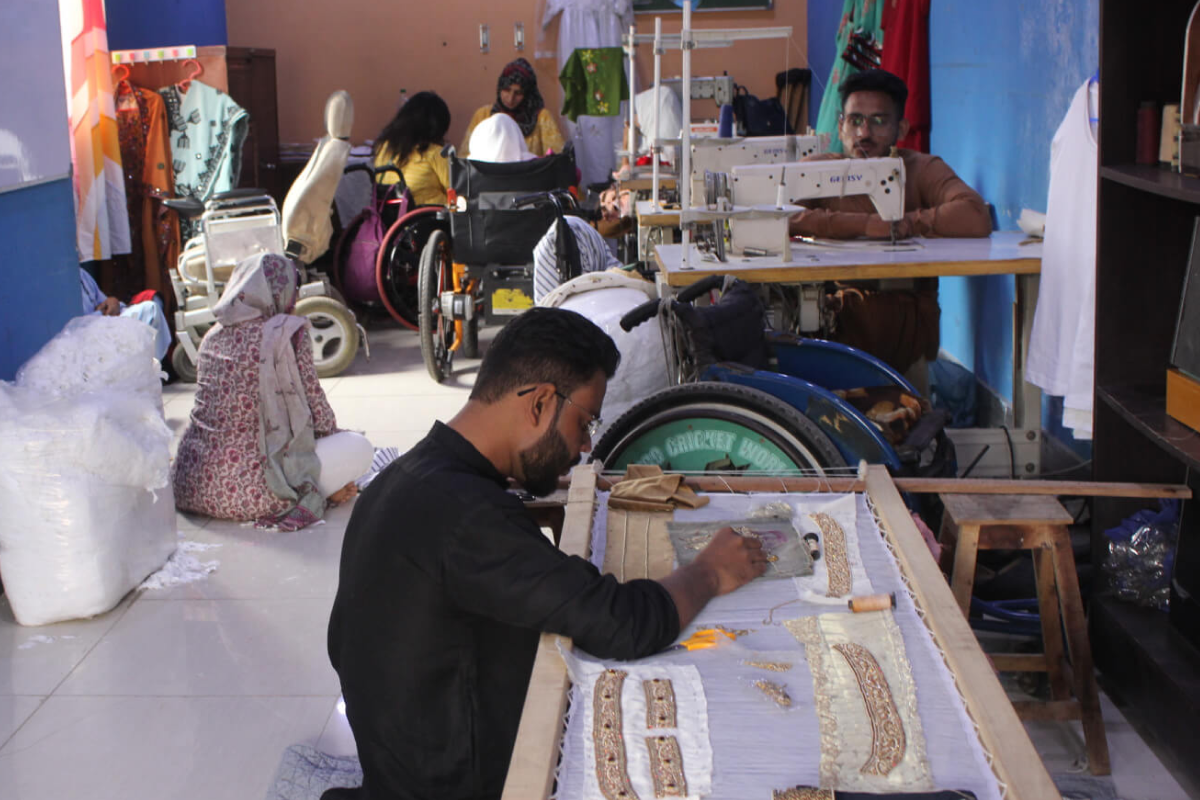
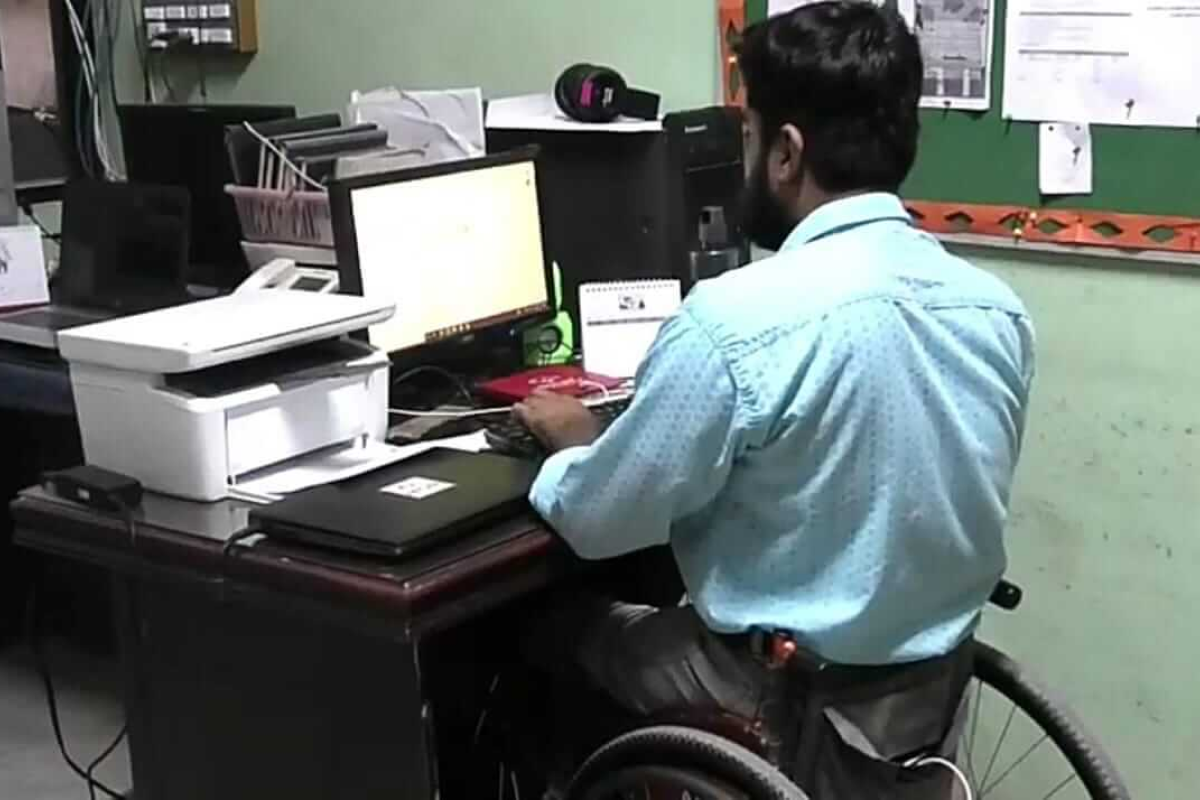
Office administration, IT services, creative work, instructional support, printing services, data management, and customer coordination are among the many professions in which people with disabilities excel. Rather than physical strength, these positions frequently call for consistency, attention to detail, and communication skills.
Through workplace orientation, skill development, and confidence-boosting initiatives, Pakistan Independent Living Center promotes workforce preparedness. Employment results greatly enhance when people are ready and workplaces are knowledgeable.
Self-Employment and Small Enterprises
For those who would struggle in traditional work environments, self-employment provides flexibility. Digital services, home-based employment, small-scale manufacturing, and consulting positions enable people to adjust their schedules to accommodate their mobility and health requirements.
By lowering reliance on outside institutions, self-employment helps people with disabilities achieve financial independence and disability paths. Many people are able to maintain income-generating activities with assistance in planning, budgeting, and basic company management.
Even with self-employment, mobility support is crucial. When necessary, a dependable wheelchair PWD arrangement enables people to attend markets, interact with customers, or oversee supply chains.
Role of Wheelchairs and Mobility Aids
Economic participation is directly impacted by mobility. A wheelchair PWD is a functional instrument that facilitates mobility, access, and consistency, not just a medical gadget.
Income stability for a wheelchair-using PWD is determined by their capacity to commute independently to a job, training facilities, or client meetings. During daily activities, appropriate wheelchair support enhances safety, saves time, and lessens physical strain.
Mobility aids promote consistent attendance, punctuality, and professional dependability when appropriately tailored to each person’s demands. This stability promotes long-term revenue generation and improves employability.
Pakistan Independent Living Center places a strong emphasis on wheelchair selection and training so that people can easily incorporate mobility assistance into their daily lives.
Skill Development and Financial Planning
Financial independence for disabled outcomes depends not only on income but also on financial management skills. Budgeting, saving, and planning help individuals make the most of their earnings.
Training programs that include basic financial literacy support individuals in managing expenses, understanding banking services, and planning for emergencies. These skills are particularly important for individuals transitioning from dependency to income generation.
When combined with employment or self-employment, financial planning strengthens long-term security and reduces vulnerability.
Social Impact of Economic Independence
Economic participation changes how individuals are perceived within families and communities. When persons with disabilities contribute financially, they gain stronger decision-making roles and social recognition.
Financial independence: Disabled individuals experience greater inclusion in household planning, education decisions, and community activities. This participation reduces stigma and challenges long-standing misconceptions about disability and productivity.
Communities also benefit when diverse members contribute economically. Inclusion strengthens local economies and promotes shared responsibility.
Success Stories
Across Pakistan, individuals with disabilities have demonstrated that access leads to achievement. Many participants supported by the Pakistan Independent Living Centre have transitioned from dependency to earning roles through training and mobility support.
One wheelchair user trained in digital documentation now manages data services for a local organization, working independently from home and attending meetings when required. Another individual uses mobility support to operate a small printing unit, generating steady income for the family.
These success stories are not exceptions. They reflect what becomes possible when financial independence disabled individuals are supported with skills, mobility, and opportunity.
Long-Term Stability
Sustained financial independence depends on continuity. Ongoing skill updates, device maintenance, and access to networks help individuals adapt to changing economic conditions.
Mobility aids such as a wheelchair PWD support system require regular upkeep to ensure reliability. When devices remain functional, individuals maintain work consistency and income stability.
Pakistan Independent Living Centre continues to support individuals beyond initial placement, recognizing that long-term success requires ongoing guidance.
Conclusion
Financial independence disabled persons seek is achievable when barriers are addressed with practical solutions. Employment, self-employment, skill development, and financial planning together create pathways toward economic stability.
Mobility support, including appropriate wheelchair PWD access, plays a vital role in enabling participation rather than limiting it. Pakistan Independent Living Centre, financial independence is viewed as a foundation for dignity, choice, and sustained inclusion.
When individuals are given access rather than assumptions, independence becomes a shared outcome for families, communities, and society as a whole.