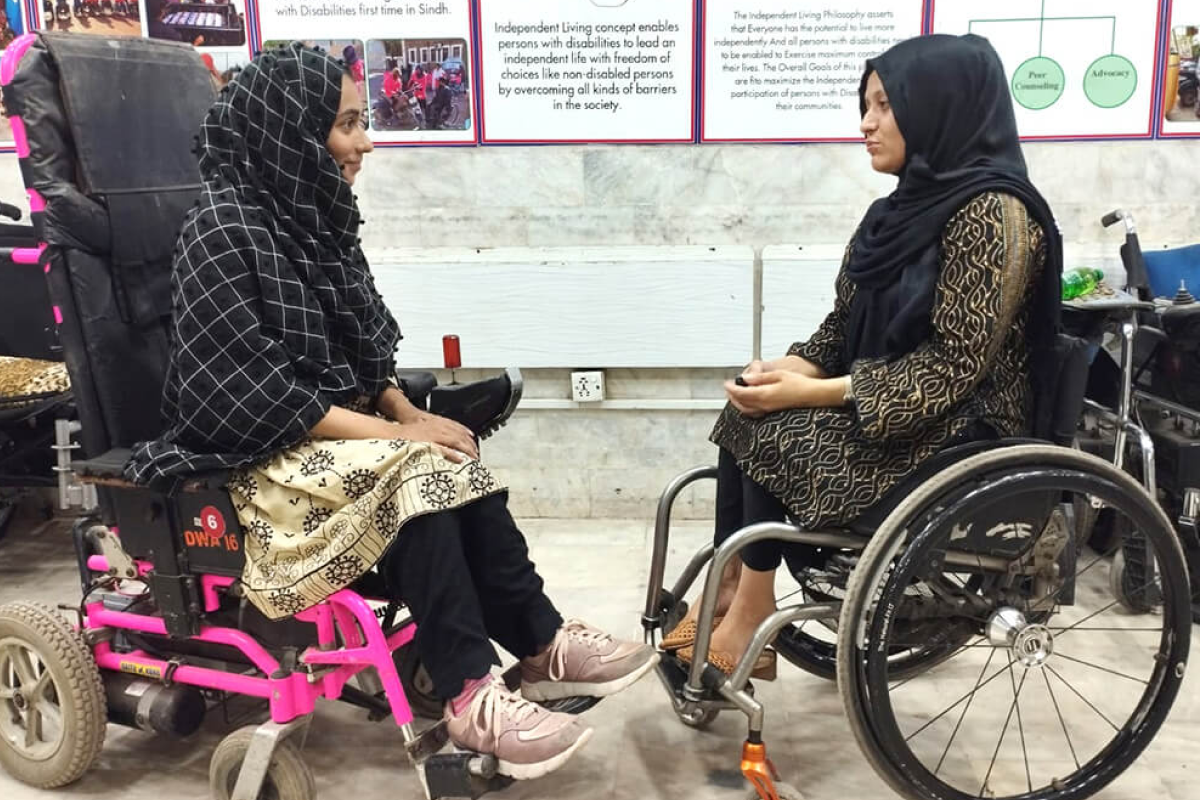
Disability Rights and Job Opportunities for Disabled Persons in Pakistan
Introduction
Disability rights are fundamental human rights, ensuring that persons with disabilities (PWDs) have equal access to education, healthcare, social participation, and employment. In Pakistan, while legislation and policies exist to protect PWDs, practical implementation remains inconsistent. Employment is a crucial aspect of independence and social inclusion, allowing individuals to contribute meaningfully to society while achieving economic stability.
Despite progress, many PWDs face systemic barriers that limit their ability to work. Recognizing this, disability rights advocacy has emerged as a vital force in creating awareness, promoting policy reforms, and facilitating job opportunities for disabled persons. NGOs, social welfare organizations, and government programs collectively aim to bridge this gap, ensuring that PWDs are empowered to exercise their right to work.
Understanding Disability Rights in Pakistan
Disability rights encompass legal, social, and economic protections for persons with disabilities. Pakistan is a signatory to the United Nations Convention on the Rights of Persons with Disabilities (UNCRPD), which provides a framework for inclusive policies and programs. Key principles include:
- Equality and non-discrimination: Every individual has the right to work without prejudice.
- Accessibility: Workplaces must be physically and digitally accessible.
- Reasonable accommodations: Employers are required to provide tools, technology, or structural adjustments to enable participation.
- Participation in decision-making: PWDs have the right to be involved in designing policies affecting their employment and social welfare.
While legal protections exist, awareness and enforcement are limited in many sectors. Social stigma, inadequate infrastructure, and lack of inclusive recruitment practices continue to pose challenges.
The Right to Employment for Disabled Persons
Employment is not only a source of income but also a pathway to dignity, self-reliance, and community integration. The right to work is enshrined under Pakistan’s disability laws, emphasizing equal opportunities in both public and private sectors. Key points include:
- Reserved quotas: Some government institutions have mandated positions for PWDs to promote inclusive hiring.
- Anti-discrimination laws: Policies prohibit unfair dismissal or unequal pay based on disability.
- Skills recognition: Programs that validate skills and qualifications help PWDs access suitable roles.
Despite these provisions, many PWDs are underrepresented in the workforce. This gap highlights the need for proactive advocacy, employer sensitization, and structured support programs.
Existing Job Opportunities for Disabled Persons
Job opportunities for PWDs in Pakistan vary across sectors and skill levels. Common areas include:
- Administrative roles: Data entry, clerical work, and office management in both public and private institutions.
- Information technology: Accessible IT roles such as software development, digital design, and content management.
- Media and creative industries: Opportunities in writing, graphics, and production that accommodate mobility or sensory impairments.
- Vocational trades: Tailored training programs for handicrafts, tailoring, and small-scale manufacturing.
- Entrepreneurship: PWDs can start home-based businesses or social enterprises with NGO and government support.
While these opportunities exist, accessibility, awareness, and workplace readiness remain critical factors that determine participation.
Government and Private Sector Roles
Both the public and private sectors play essential roles in promoting employment for PWDs:
- Government initiatives: Reserved quotas in ministries, technical skill development programs, and incentive-based employment schemes encourage hiring PWDs.
- Private sector engagement: Corporations adopting Corporate Social Responsibility (CSR) policies are increasingly providing job opportunities for disabled individuals through tailored recruitment, flexible work hours, and accessible infrastructure.
- Collaboration with NGOs: Public-private partnerships facilitate training, placement, and mentorship, creating a supportive ecosystem for PWD employment.
These measures, while promising, require continuous advocacy and monitoring to ensure practical implementation.
NGO Advocacy and Employment Facilitation
NGOs are central to promoting disability rights and enhancing employment opportunities for PWDs in Pakistan. Their interventions include:
- Skills training programs: Tailored workshops in IT, vocational trades, and professional development prepare PWDs for the workforce.
- Assistive technology support: Provision of screen readers, adaptive devices, and mobility aids ensures that PWDs can perform effectively.
- Counseling and mentorship: Guidance in job applications, interview preparation, and workplace adaptation builds confidence and resilience.
- Policy advocacy: NGOs work with policymakers to strengthen disability-inclusive employment laws and incentives.
- Awareness campaigns: Promoting employer sensitization and community understanding reduces stigma and encourages inclusive hiring.
Through these strategies, NGOs create sustainable pathways for disabled individuals to access meaningful employment.
Promoting Inclusive Hiring Practices
Inclusive hiring is more than a compliance requirement; it is a commitment to equity and diversity. Best practices include:
- Accessible recruitment processes: Job applications, interviews, and onboarding procedures designed for PWDs.
- Flexible work arrangements: Options such as remote work, adaptable schedules, or task modification.
- Workplace accommodations: Adjusted workstations, assistive devices, and supportive policies to facilitate participation.
- Mentorship and peer support: Providing a supportive community within the workplace encourages retention and professional growth.
- Monitoring and feedback: Continuous evaluation ensures policies are effective and adaptive to employees’ needs.
By implementing these practices, organizations not only comply with disability rights but also harness the diverse talents of PWDs, enriching the workforce and society.
Case Examples and Impact
Several NGOs and organizations in Pakistan have demonstrated the impact of disability rights advocacy and employment support:
- Ahmed, a young man with a visual impairment, trained in computer skills by an NGO, now works remotely in digital content editing.
- Saira, with mobility challenges, completed vocational training and now manages a small handicraft business with NGO mentorship.
- Corporate partnership programs have integrated over 50 PWDs into IT and administrative roles, showcasing successful CSR engagement in disability employment.
These examples illustrate that when rights are respected and opportunities provided, PWDs thrive and contribute meaningfully to society.
Call to Action
Ensuring disability rights and access to job opportunities for the disabled requires a collective effort. Individuals, corporations, and policymakers can contribute by:
- Supporting NGOs: Donate, volunteer, or provide resources to disability-focused programs.
- Advocating for policy: Encourage government and private sector accountability in inclusive hiring.
- Promoting awareness: Educate communities about the abilities and potential of PWDs.
- Hiring inclusively: Employers can adopt accessible recruitment, provide workplace accommodations, and mentor PWD employees.
Each action helps create a society where PWDs can work with dignity, independence, and confidence.
Conclusion
Employment is a cornerstone of independence and social inclusion for persons with disabilities. Recognizing their disability rights and creating structured job opportunities for disabled persons is essential for building equitable communities in Pakistan. NGOs, government bodies, and the private sector must continue collaborating to break down barriers and foster inclusive workplaces.
By empowering PWDs through skill development, assistive technology, and supportive employment policies, Pakistan can ensure that all its citizens, regardless of ability, have the opportunity to contribute, succeed, and lead meaningful lives. Supporting these initiatives today creates a stronger, more compassionate society tomorrow.