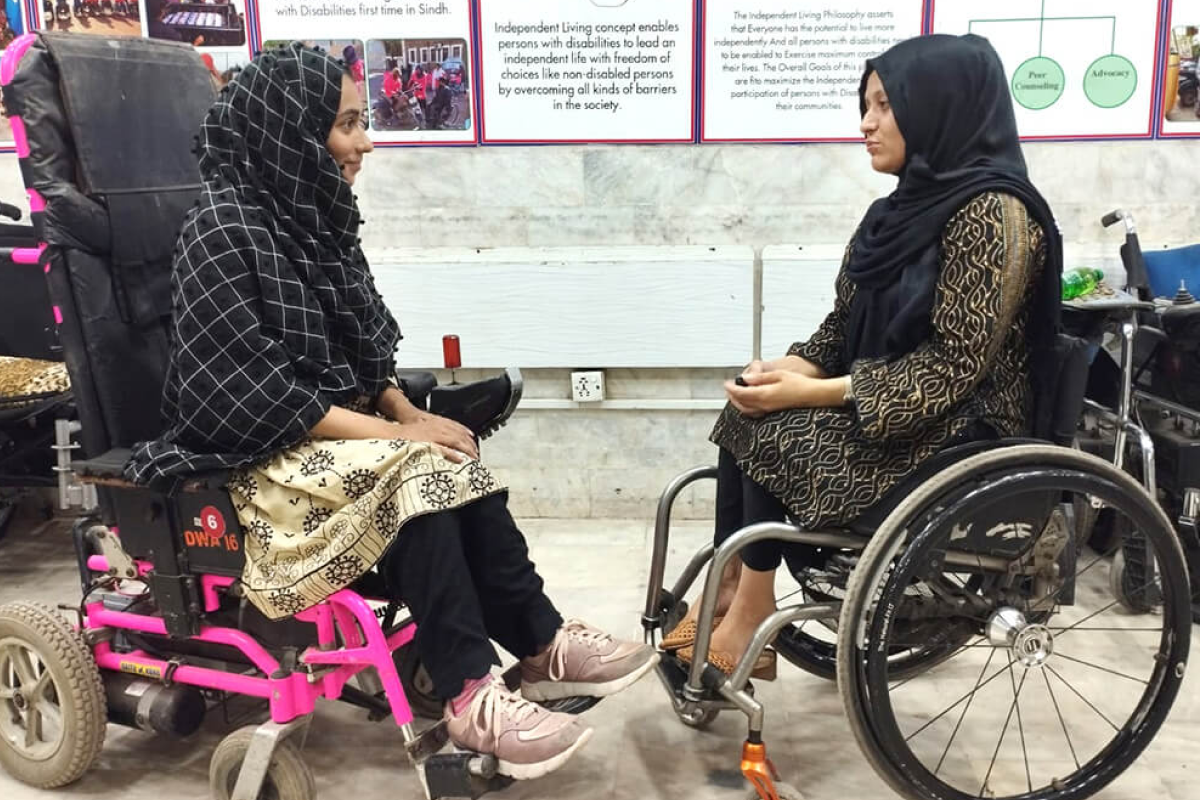
Independent Living: Building Self-Reliance Through Daily Life Skills


Independent living is not about doing everything alone. It is about having control over one’s daily choices, routines, and personal direction. For persons with disabilities, independent living represents the right to participate in life on equal terms, with the support and skills needed to manage everyday responsibilities confidently.

Pakistan Independent Living Centre (PILC), independent living is viewed as a practical, achievable way of life. It is shaped through skill development, access to support systems, and respect for individual capability. When people are given the tools to manage daily tasks, they gain more than functional ability; they gain confidence, stability, and a stronger sense of self.

Understanding Independent Living for Persons with Disabilities

Independent living refers to a lifestyle where persons with disabilities can manage their personal, social, and household needs with autonomy. This does not mean the absence of assistance. Instead, it means having the freedom to decide how and when support is used.

For many people with disabilities, barriers arise not from impairment but from limited access to training, resources, and inclusive services. Independent living addresses this gap by focusing on practical life skills, informed decision-making, and community participation. It allows individuals to live with dignity while remaining connected to family, caregivers, and society.

Independent living recognizes that every person’s needs are different. Some may require assistive devices, others may rely on personal attendants, and many benefit from structured skill training. What matters most is that the individual remains in charge of their own life.

Why Independent Living Matters for Dignity and Self-Reliance

Dignity is deeply connected to choice. When a person can decide how to eat, dress, maintain personal care, or organize their day, it reinforces their sense of worth. Independent living supports this by reducing unnecessary dependence and encouraging self-reliance where possible.

Self-reliance does not develop overnight. It grows through consistent learning, patience, and encouragement. When persons with disabilities are supported in learning daily life skills, they are more likely to participate actively in education, employment, and community life.

Independent living also reduces emotional strain on families. When individuals are able to manage parts of their routine independently, relationships shift from dependency to partnership. This balance creates healthier home environments and strengthens mutual respect.

What Is ADL Training?

ADL training for PWD focuses on Activities of Daily Living, which are the basic tasks people perform every day to take care of themselves. These activities form the foundation of independent living and are essential for personal well-being.

ADL training is structured, practical, and tailored to each individual’s abilities. It does not follow a one-size-fits-all approach. Trainers assess physical, sensory, and cognitive needs before guiding individuals through step-by-step learning.

At PILC, ADL training is delivered in a supportive environment where learners feel safe to practice, make mistakes, and grow at their own pace. The goal is not perfection but progress.

Common Examples of Activities of Daily Living

Activities of daily living include a wide range of everyday tasks that many people take for granted. For persons with disabilities, learning or improving these skills can significantly change daily life.

Some key examples include:

Eating and Feeding

This involves using utensils, managing food portions, and developing safe eating habits. For individuals with limited mobility or coordination, adaptive techniques and tools can make eating more manageable and comfortable.

Dressing

Dressing includes choosing appropriate clothing, managing fasteners, and developing routines that support independence. Training often focuses on practical methods that save time and reduce physical strain.

Personal Hygiene

Personal hygiene tasks such as bathing, grooming, oral care, and toileting are central to health and self-respect. ADL training helps individuals learn safe, private, and effective ways to manage these needs according to their abilities.

Each of these activities contributes to a person’s confidence and comfort in social settings, workplaces, and public spaces.

The Role of NGOs in ADL Training

Non-governmental organizations play a vital role in making independent living possible for persons with disabilities, especially in regions where public services are limited.

Organizations like the Pakistan Independent Living Centre (PILC) provide structured ADL training that is often unavailable through mainstream systems. NGOs bring together trained professionals, community resources, and lived experience to create meaningful learning programs.

Beyond skill training, NGOs also advocate for disability rights, accessibility, and inclusion. They raise awareness among families and communities, helping them understand that persons with disabilities are capable of growth when given proper support.

PILC’s approach centers on respect, patience, and long-term development. Training is not rushed, and individuals are encouraged to progress according to their comfort level.

Impact on Confidence, Independence, and Quality of Life

The effects of ADL training go far beyond physical ability. As individuals learn to manage daily tasks, their confidence grows. This confidence often leads to greater social interaction, willingness to try new experiences, and improved mental well-being.

Independence in daily living reduces feelings of helplessness and isolation. It allows persons with disabilities to take part in decisions about education, work, and relationships. Over time, this independence contributes to a higher quality of life.

Families also notice positive changes. Caregivers experience reduced pressure, while relationships become more balanced and supportive. Communities benefit when persons with disabilities participate more actively in social and economic life.

Supporting Independent Living Through ADL Training

Independent living is not an abstract idea; it is built through consistent effort, community support, and access to practical training. ADL training for PWD provides a clear pathway toward self-reliance and dignity.

Pakistan Independent Living Centre (PILC) remains committed to supporting persons with disabilities through inclusive, skill-based programs that focus on real-life needs.

Call to Action

If you are a person with a disability seeking greater independence or a family member looking for meaningful support, consider enrolling in PILC’s ADL training programs.
If you are an ally, donor, or community member, your support can help expand these services to reach more individuals.
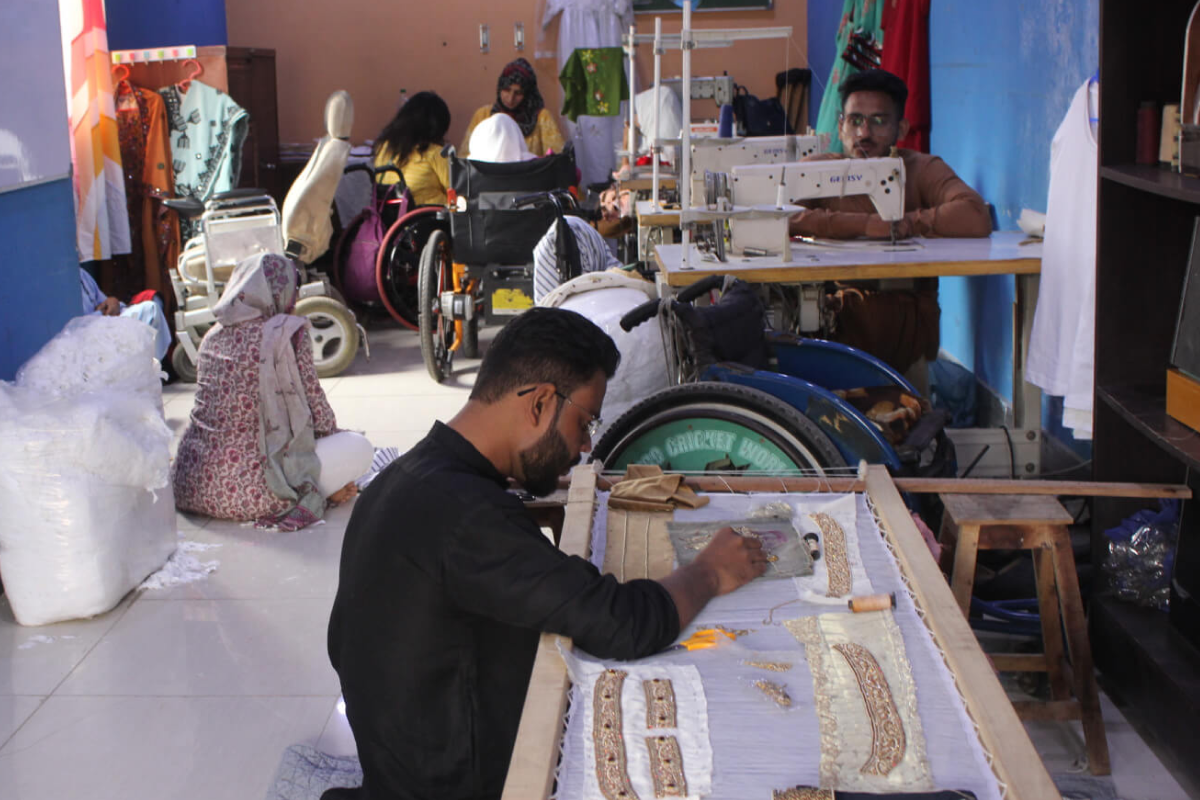
ADL Training for Persons with Disabilities

Introduction

Rather than significant achievements, regular routines help people with impairments become more independent. How people engage in school, work, and community life is influenced by their capacity for self-care, task organization, communication of needs, and decision-making. ADL training for PWD is essential to laying this groundwork.

Pakistan Independent Living Center, Daily living activities are viewed as life skills that improve practical control and self-confidence. The goal of ADL training is progress rather than perfection. When daily routines become doable, people acquire the self-assurance necessary to investigate career and educational options, including new prospects like IT jobs for disabled professionals for people with disabilities.

What Is ADL Training?

Activities of Daily Living (ADL) are necessary actions for daily living. ADL training programs for people with disabilities assist people in learning, practicing, and strengthening these skills in ways that honor individual objectives and capacities.

Personal hygiene, clothing, eating, mobility, communication, time management, domestic duties, and fundamental decision-making are all covered in ADL training. It also encompasses recognizing one’s own rights, problem-solving, and social engagement.

ADL training is tailored to each person’s needs rather than employing a one-size-fits-all strategy. While some participants concentrate on communication or organization, others might need assistance with physical activities. The ability to guide one’s own life with confidence and clarity is the aim, not reliance on support networks.

Skill Development Process

ADL training for people with disabilities is a methodical and courteous approach. People can study at their own pace because skills are introduced gradually. Training frequently starts with guided practice and observation, then moves on to autonomous attempts and practical application.

Trainers at the Pakistan Independent Living Center collaborate closely with participants to determine priorities. For instance, one person might concentrate on mobility and personal hygiene, while another might work on task organization and communication. Daily consistency, not speed, is used to gauge progress.

Additionally, peer connection is crucial to the learning process. Seeing others deal with comparable difficulties gives participants a sense of understanding and encouragement. This collaborative learning setting boosts motivation and lessens loneliness.

Consistency is key. ADL training is not a short-term activity but an ongoing process that evolves as individuals grow. Skills learned today support future goals in education, employment, and independent living.

ADL Training and Confidence

Oftentimes, confidence develops subtly. People start to believe in their skills when they are successful in minor daily chores. By transforming mundane tasks into moments of accomplishment, ADL training for PWD promotes this development.

Self-esteem can be greatly increased by managing personal routines, cooking basic meals, or communicating on your own. People’s perceptions of themselves change as a result of these events, moving from dependency to capacity.

Positive changes are also noticed by families. Relationships change toward mutual respect when people become more independent. Support shifts from being controlling to collaborative, which is good for both parties’ emotional health.

Link Between ADL and Employment

Technical abilities alone are not enough for employment. Daily routines, time management, communication, and flexibility are all crucial. Long before job placement starts, ADL training for PWD helps people get ready for these demands.

Daily living skills are the foundation of competencies, including business communication, task management, timeliness, and personal presentation. Even highly skilled people may find it difficult to maintain a job without these abilities.

ADL training aids people in comprehending working procedures, adhering to guidelines, controlling tension, and resolving issues on their own. People with these skills are more trustworthy and self-assured in work environments.

ADL training and career preparation are closely related, according to the Pakistan Independent Living Center. Participants can approach employment with preparation rather than uncertainty after learning how daily habits affect professional achievement.

ADL Skills and Workplace Readiness

Workplace expectations are typically reflected in the daily activities taught during ADL training. Professional life includes scheduling, hygiene, material organization, and effective communication.

People who finish ADL training programs for people with disabilities frequently exhibit increased responsibility, focus, and flexibility. All job sectors, including office-based and technology-focused positions, reward these attributes.

Many jobs today depend more on digital technologies and cognitive abilities than on physical mobility as work settings change. People with impairments now have more opportunities because of this change, especially in sectors involving technology.

IT Jobs for Disabled Persons

People with impairments now have significant prospects because of the expansion of digital labor. Rather than physical mobility, IT jobs for disabled people frequently require strong organizational, communication, and problem-solving skills.

Data entry, graphic design, software testing, content management, and technical support are among the jobs that are becoming more widely available. Many of these jobs have flexible work schedules, such as remote employment, which lowers environmental and physical barriers.

ADL instruction By enhancing daily practices necessary for digital work, PWD promotes preparedness for IT jobs for the disabled. ADL skills are the foundation for time management, adhering to set tasks, staying focused, and professional communication.

How ADL Training Supports IT Careers

For disabled people to succeed in IT employment, self-management and consistency are essential. ADL training fosters accountability and organized routines, which strengthen these attributes.

For instance, managing digital deadlines necessitates planning and time awareness. It takes confidence and clarity to communicate with teams. Organization and individual accountability are necessary for maintaining a workspace. ADL training is used to practice all of these abilities.

The Pakistan Independent Life Center acknowledges the link between digital jobs and everyday life abilities. In training settings that mirror actual employment demands, participants are assisted in using ADL skills.

Real-Life Impact

People who finish ADL training programs for people with disabilities frequently report feeling more confident and having more clarity about their future. They feel more equipped to look into career opportunities, such as IT positions for people with disabilities.

Families see a decrease in the need for continual supervision and an increase in independence. Improved communication and dependability are noted by employers. These results show how everyday living abilities affect more general life outcomes.

Participation of people with disabilities in professional jobs benefits communities as well. Through regular engagement, inclusion becomes apparent, and stereotypes start to shift.

Conclusion

ADL instruction PWD is a foundation for an autonomous and fulfilling life, not just a support service. Strengthening daily routines helps people become more self-assured, clear-headed, and in charge of their lives.

ADL training creates useful avenues for social engagement and financial stability when paired with expanding options like IT jobs for the disabled. ADL training is still a crucial step toward long-term inclusion, independence, and dignity at the Pakistan Independent Living Center.