
 ammar ali
Introduction
Humanitarian NGOs in Pakistan play a critical role in improving the lives of individuals who face social, physical, and economic challenges. Among these, persons with disabilities (PWDs) often require targeted interventions to access equal opportunities and live independently. Humanitarian NGOs bridge the gap by providing essential services, fostering inclusion, and advocating for rights. One of the key services that enhance the well-being of PWDs is occupational therapy for PWD, which focuses on enabling individuals to perform daily activities safely, confidently, and independently.
Role of Humanitarian NGOs in Disability Support
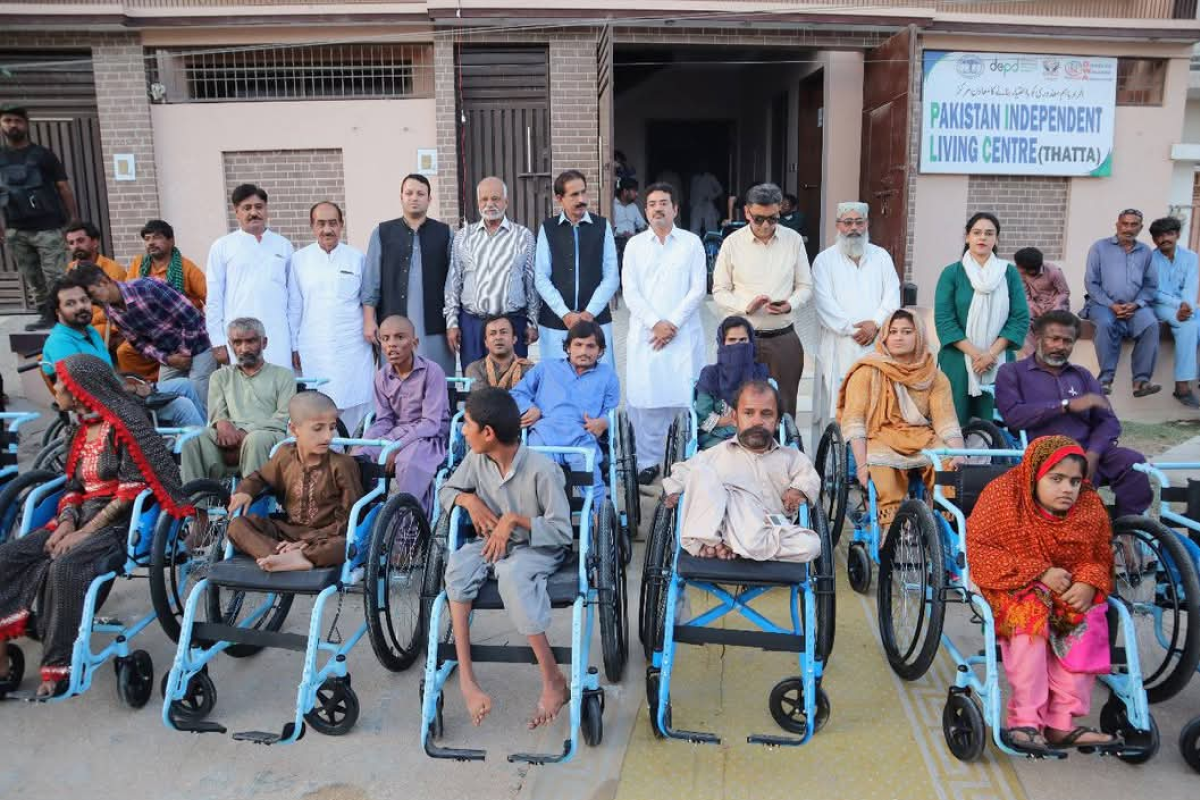
In Pakistan, many PWDs face barriers such as limited accessibility, social stigma, and lack of specialized care. Humanitarian NGOs in Pakistan address these challenges by offering a range of support services, including rehabilitation, education, skill-building, and health interventions. They provide a safe environment where individuals can learn new skills, participate in community activities, and gain access to assistive devices and therapies.
Humanitarian NGOs also advocate for inclusive policies and ensure that occupational therapy for PWD programs are integrated into broader social welfare initiatives. By combining professional therapy services with social support, these organizations enable PWDs to engage fully in their communities.
What is Occupational Therapy for PWDs?
Occupational therapy (OT) for PWDs is a client-centered approach that helps individuals achieve functional independence in their daily lives. The therapy focuses on enhancing physical, cognitive, and emotional skills needed to perform activities such as self-care, household management, learning, work tasks, and community participation.
OT sessions are personalized based on the individual’s needs and abilities. For example, a person with limited mobility may receive training to safely use adaptive tools, while someone with a sensory impairment may practice techniques to improve coordination and communication.
Importance of Occupational Therapy in Daily Functioning
Daily functioning is central to independence and self-esteem. Occupational therapy for PWD ensures that individuals can participate in essential activities, whether at home, school, or the workplace. Some of the benefits include:
- Enhanced mobility and coordination: OT techniques help PWDs move safely and perform tasks with reduced risk of injury.
- Improved self-care: Skills such as dressing, grooming, and feeding are taught to increase autonomy.
- Mental and emotional support: Engaging in purposeful activities boosts confidence, reduces stress, and enhances motivation.
- Community engagement: OT encourages participation in social and recreational activities, promoting inclusion.
These benefits contribute to a better quality of life, allowing PWDs to live with dignity and independence.
Types of Occupational Therapy Services
Humanitarian NGOs in Pakistan provide a range of occupational therapy services tailored to different disabilities and age groups:
- Physical OT: Focuses on improving mobility, strength, and coordination for persons with physical disabilities.
- Sensory integration therapy: Helps individuals with sensory processing disorders to manage stimuli effectively.
- Cognitive therapy: Supports problem-solving, memory, and decision-making skills.
- Self-care and daily living training: Teaches techniques for dressing, cooking, cleaning, and personal hygiene.
- Work-related OT: Prepares individuals for employment by developing job-specific skills.
- Adaptive device training: Assists in learning to use wheelchairs, crutches, assistive communication devices, or modified tools.
By offering a combination of these services, NGOs ensure holistic support for PWDs at home, school, or the workplace.
How NGOs Provide Occupational Therapy in Pakistan
Humanitarian NGOs in Pakistan have established structured programs to deliver OT services effectively. This includes:
- Specialized therapy centers: Equipped with tools, adaptive devices, and trained therapists to address diverse needs.
- Home-based therapy: Therapists visit clients at home to provide personalized support, especially for those with severe disabilities.
- Community outreach programs: NGOs conduct workshops in rural and urban areas to educate families and caregivers about OT techniques.
- Integration with other services: OT is combined with physiotherapy, counseling, vocational training, and life skills workshops for comprehensive support.
- Training and capacity-building: NGOs train local staff, volunteers, and caregivers to ensure sustainable delivery of occupational therapy.
This multi-layered approach ensures that services are accessible, inclusive, and adapted to each individual’s environment.
Impact on Independence and Quality of Life
The effects of occupational therapy are profound and measurable. PWDs who engage in regular OT programs gain:
- Greater independence in performing daily activities.
- Improved physical health and mobility.
- Increased confidence and self-esteem.
- Opportunities to pursue education or employment.
- Social inclusion and community participation.
Humanitarian NGOs in Pakistan report that OT not only improves practical skills but also strengthens emotional resilience. PWDs become active participants in their communities, challenging stereotypes and promoting the idea that disability is not inability.
Success Stories
Many individuals have benefitted from occupational therapy programs offered by humanitarian NGOs:
- A young adult with cerebral palsy learned to use adaptive utensils and a wheelchair efficiently, enabling her to attend college independently.
- Children with developmental delays gained essential self-care skills, allowing them to integrate into mainstream schools successfully.
- Adults with mobility impairments received job-related OT, enabling them to perform tasks in small businesses and NGOs.
These stories highlight how occupational therapy for PWD transforms lives and opens pathways to inclusion, education, and employment.
Call to Action
Humanitarian NGOs rely on support from communities, donors, and volunteers to continue providing occupational therapy and other disability services. Here’s how you can contribute:
- Donate: Your financial contribution helps fund therapy programs, purchase adaptive equipment, and maintain therapy centers.
- Volunteer: Skilled volunteers can assist therapists, support therapy sessions, or participate in community outreach.
- Spread awareness: Share information about occupational therapy and disability inclusion with your networks.
- Get involved in programs: Families and caregivers can participate in workshops to better support PWDs at home.
Supporting humanitarian NGOs strengthens the foundation for independent living and ensures that persons with disabilities in Pakistan receive the care, respect, and opportunities they deserve.