
 ammar ali
Introduction
A disability NGO plays a vital role in breaking barriers that prevent persons with disabilities (PWDs) from accessing education, skills, and employment. In Pakistan, unemployment among PWDs remains high due to social stigma, lack of accessibility, and limited skill-building opportunities. However, the rise of digital work has created new pathways for inclusion, particularly through IT jobs for disabled individuals.
Information technology offers flexible, skills-based employment that does not rely on physical strength or mobility. With the right training, tools, and support, PWDs can build successful careers in IT. Disability-focused NGOs are at the forefront of this change, helping individuals gain skills, confidence, and sustainable livelihoods.
Role of Disability NGOs in Employment Support
A disability NGO does more than provide charity; it builds long-term solutions for independence and inclusion. Employment support is a core focus area, especially for youth and adults with disabilities who want to become financially self-reliant.
Key employment-related roles of NGOs include:
- Identifying skill gaps among PWDs
- Providing vocational and digital skills training
- Offering career counseling and job readiness support
- Connecting trained individuals with employers and freelance platforms
- Advocating for inclusive hiring policies
By addressing both skills and systemic barriers, disability NGOs create an ecosystem where IT jobs for disabled persons become achievable rather than aspirational.
Why IT Jobs Are Suitable for Persons with Disabilities
IT-based work is particularly suitable for PWDs because it focuses on skills, knowledge, and creativity rather than physical ability. Many IT roles can be performed remotely, reducing mobility and transportation challenges.
Reasons IT jobs work well for PWDs include:
- Flexible work hours and remote options
- Minimal physical strain
- High demand for digital skills
- Opportunities for freelancing and self-employment
- Global job market access
For many individuals supported by a disability NGO, IT careers offer dignity, independence, and long-term growth. This makes IT jobs for the disabled a sustainable employment solution rather than short-term assistance.
Types of IT Jobs for Disabled Persons
Disability NGOs focus on practical, market-relevant IT roles that match different abilities and education levels. Common job categories include:
Data Entry and Office Support
- Data management
- Online record keeping
- Spreadsheet handling
These roles are ideal for beginners and individuals with basic computer skills.
Coding and Software Development
- Web development
- App development
- Front-end and back-end coding
With structured training, many PWDs excel in logic-based programming roles.
Technical Support and Helpdesk
- Customer support via chat or email
- Software troubleshooting
- System monitoring
These roles emphasize communication and problem-solving skills.
Freelancing and Digital Services
- Graphic design
- Content writing
- Digital marketing
- Video editing
Freelancing allows PWDs to work independently, often from home, making it a key focus area for any forward-thinking disability NGO promoting IT jobs for disabled individuals.
Accessible Technology and Digital Tools
Access to technology is essential for success in IT careers. Disability NGOs ensure that PWDs are equipped with accessible tools that support their specific needs.
Common assistive and accessible technologies include:
- Screen readers for visually impaired users
- Voice-to-text and speech recognition software
- Adaptive keyboards and mouse devices
- Captioning tools for hearing-impaired individuals
- Accessible coding environments and software
A well-structured disability NGO integrates these tools into training programs so that PWDs can learn and work without limitations. Accessibility transforms IT from a challenge into an opportunity.
NGO-Led IT Training Programs
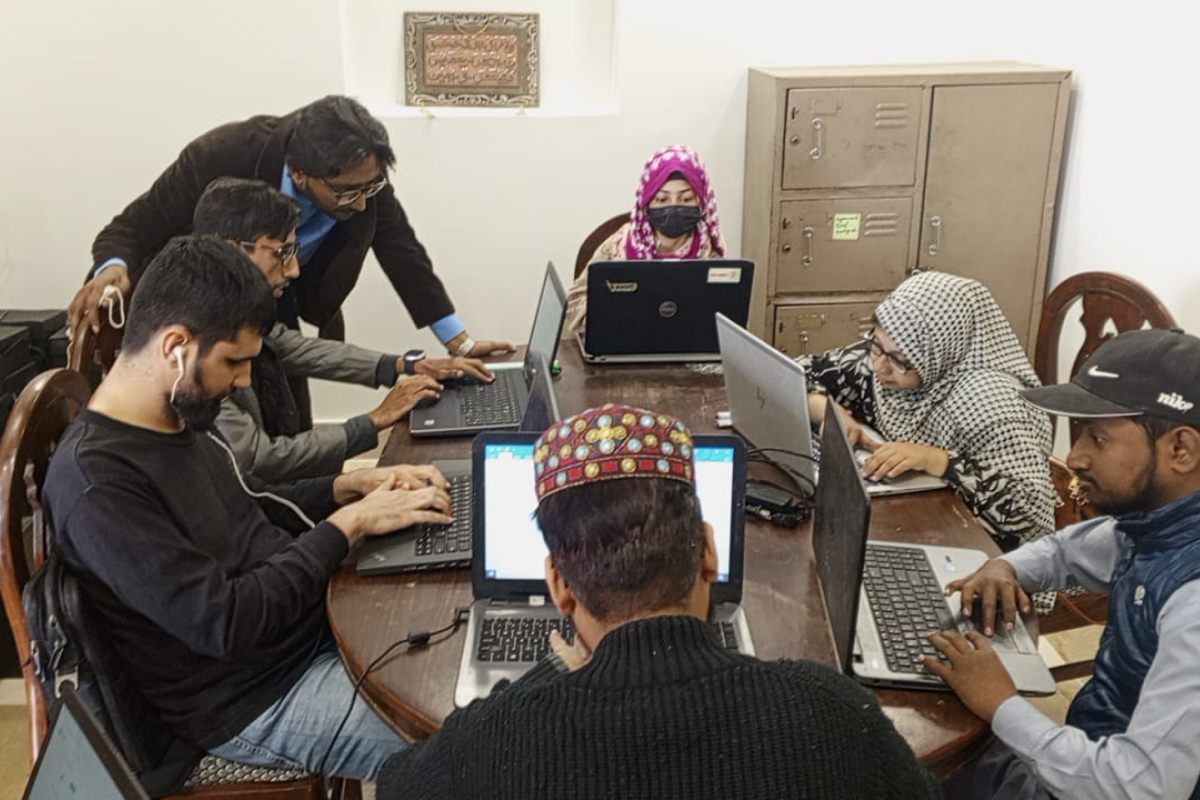
Many disability NGOs in Pakistan have developed specialized IT training programs tailored for PWDs. These programs focus on both technical and professional skills.
Typical components include:
- Basic computer literacy
- Advanced IT skill tracks (coding, design, support)
- Soft skills such as communication and time management
- Freelancing and remote work training
- Internship or project-based learning
A disability NGO also provides mentorship and emotional support, ensuring learners stay motivated. These programs directly lead to IT jobs for disabled persons by aligning training with real market needs.
Employment Placement and Career Support
Training alone is not enough. Disability NGOs actively support job placement to ensure sustainable outcomes. This includes:
- Resume and portfolio development
- Interview preparation
- Employer sensitization on disability inclusion
- Linkages with IT companies and startups
- Guidance on freelancing platforms
By acting as a bridge between skilled PWDs and inclusive employers, a disability NGO ensures that IT jobs for disabled individuals result in real income and long-term stability.
Employment Success Stories
The impact of NGO-led IT employment initiatives is best reflected through real-life outcomes.
- Ali, a wheelchair user, completed web development training and now works remotely for an international client.
- Sara, who is hearing-impaired, became a freelance graphic designer after NGO-supported digital training.
- Usman, with low vision, uses screen-reading software to provide data analysis services online.
These success stories demonstrate how a disability NGO can transform lives by opening doors to IT jobs for disabled persons across Pakistan.
Broader Social and Economic Impact
When PWDs gain employment, the impact extends beyond individuals. Families experience financial stability, communities become more inclusive, and society benefits from untapped talent.
Benefits include:
- Reduced dependency on charity
- Increased confidence and self-worth among PWDs
- Greater workforce diversity
- Positive economic contribution
- Changing public perceptions about disability
Through sustained employment initiatives, disability NGOs contribute to national development while promoting dignity and equality.
Call to Action
Creating inclusive digital employment requires collective effort. You can support this mission by:
- Donating to a disability NGO offering IT training
- Volunteering as a mentor or trainer
- Partnering through CSR initiatives
- Hiring skilled PWDs for IT roles
- Promoting awareness about IT jobs for disabled persons
Every contribution helps build a more inclusive and skilled workforce in Pakistan.
Conclusion
A disability NGO plays a critical role in turning potential into progress by enabling access to education, technology, and employment. With the rapid growth of the digital economy, IT jobs for disabled persons offer a powerful pathway toward independence and social inclusion.
By investing in accessible training, adaptive tools, and inclusive hiring practices, NGOs are reshaping the employment landscape for PWDs in Pakistan. Supporting these initiatives means supporting dignity, opportunity, and equal participation for all.