
 ammar ali
Trust is not claimed; it is built through consistency, ethics, and lived impact. For persons with disabilities and their families, choosing a support organization is a decision rooted in safety, dignity, and long-term reliability. A trusted NGO in Pakistan is defined not by its visibility, but by how responsibly it serves those who rely on it.
In disability support, trust becomes even more critical. Personal assistance involves close interaction, private routines, and deep responsibility. When services are provided thoughtfully and ethically, they strengthen independence rather than creating vulnerability.
What Makes an NGO Truly Trustworthy
A trusted NGO in Pakistan demonstrates accountability in both actions and outcomes. Trustworthy organizations are transparent about their services, clear about eligibility, and consistent in delivery. They listen to communities rather than speaking for them.
Key characteristics include:
- Clear service guidelines and ethical policies
- Qualified and trained support staff
- Respect for personal boundaries and consent
- Strong coordination with families and communities
Trust is built over time through reliability. When individuals feel heard and respected, confidence in the organization naturally grows.
Why Personal Assistance Matters for Persons With Disabilities
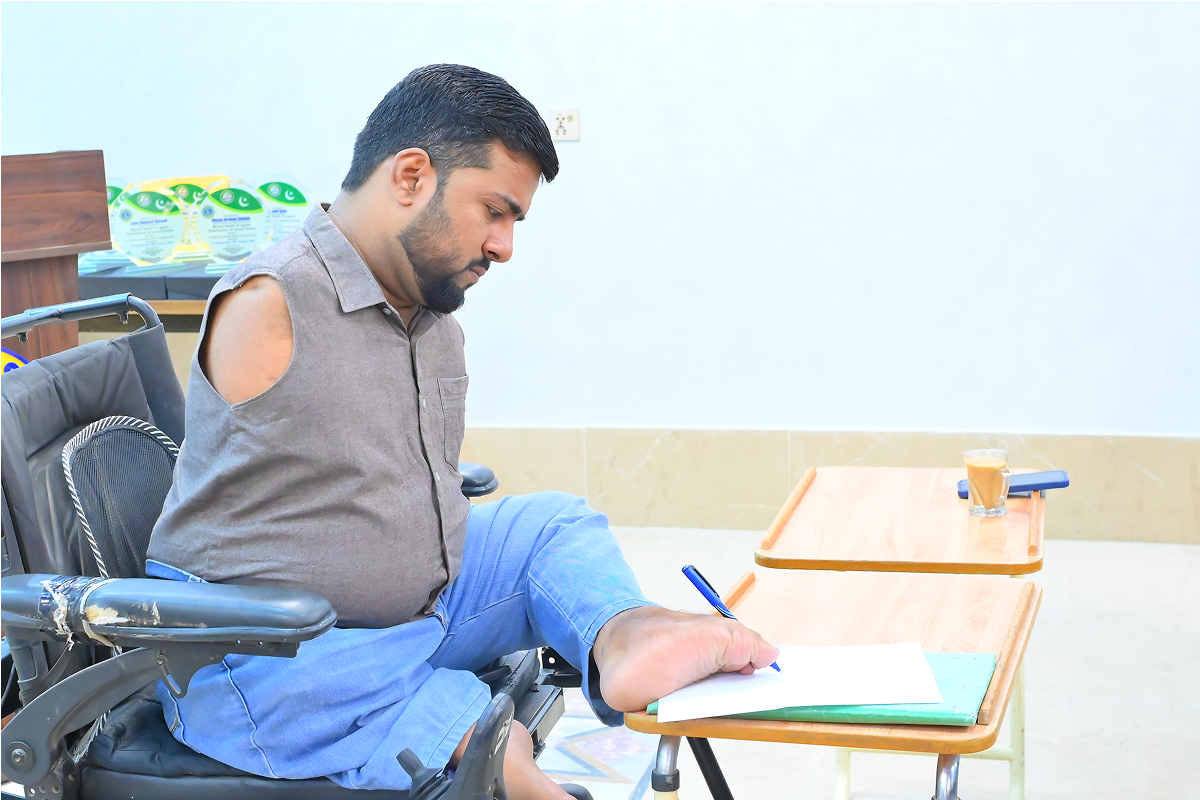
Personal assistance plays a vital role in daily life for many persons with disabilities. Support with routine activities allows individuals to manage their lives more comfortably and safely. The free personal assistant disability service exists to remove barriers that prevent participation in education, work, and community life.
Personal assistance is not about dependence. It is about access. When individuals receive support according to their own preferences, they are better able to maintain control over their routines and decisions.
At its best, personal assistance supports independence while preserving personal space and dignity.
Free Personal Assistant Programs and Who Can Access Them
Access to assistance is often limited by financial constraints. Programs offering free personal assistant disability services help bridge this gap, particularly for individuals from low-income households.
Eligibility for such programs is usually based on:
- Level of functional need
- Economic circumstances
- Availability of family or community support
- Commitment to using assistance responsibly
Organizations that offer free personal assistant disability support often conduct careful assessments to ensure services reach those who need them most. This process protects both the individual and the integrity of the program.
Training and Ethical Standards for Assistants
The quality of personal assistance depends heavily on training and ethics. A trusted NGO in Pakistan invests in preparing assistants not only with practical skills but also with a strong understanding of respect, confidentiality, and consent.
Training typically includes:
- Safe assistance techniques
- Communication and boundary awareness
- Understanding disability rights
- Handling sensitive situations with care
Ethical standards guide how assistants interact with individuals and families. Assistants are taught to follow direction rather than impose opinions. This approach helps ensure that support remains respectful and person-directed.
Protecting Dignity, Privacy, and Safety
Personal assistance involves close contact, which makes safeguarding essential. A trusted NGO in Pakistan prioritizes dignity and privacy at every level of service delivery.
Safeguarding measures include:
- Clear reporting mechanisms
- Supervision and regular evaluations
- Confidential handling of personal information
- Zero tolerance for misuse of authority
When free personal assistant disability services are delivered within a strong safeguarding framework, individuals feel safer and more confident using support. This trust allows assistance to become a source of stability rather than concern.
Impact on Families and the Wider Community
The benefits of reliable personal assistance extend beyond the individual. Families experience reduced physical and emotional strain when professional support is available. Relationships shift from constant caregiving to shared connection and respect.
Communities also benefit. When persons with disabilities receive consistent support, they are more likely to participate in education, employment, and civic life. This participation challenges stereotypes and promotes inclusion.
Programs offering free personal assistant disability services contribute to stronger social bonds by ensuring that disability does not result in isolation or exclusion.
Trust as a Foundation for Long-Term Support
Trust is not built through promises but through daily practice. A trusted NGO in Pakistan earns confidence by showing up consistently, addressing concerns openly, and placing human dignity above all else.
Organizations like the Pakistan Independent Living Centre (PILC) work within communities to ensure that personal assistance is delivered with care, responsibility, and respect. Their approach reflects an understanding that support must protect autonomy, not weaken it.
Moving Forward Together
Reliable disability support requires collaboration between individuals, families, organizations, and communities. When services such as free personal assistant disability programs are guided by ethics and accountability, they create lasting positive change.
Trust grows when people feel safe, respected, and supported in their daily lives. Through responsible service delivery and community engagement, NGOs can continue building systems that support independence with integrity.
A society that invests in trustworthy support structures invests in dignity for all.