Leading NGO in Pakistan Driving Inclusive Workplaces for Persons with Disabilities
Introduction
A leading NGO in Pakistan is defined not by scale alone, but by its ability to create lasting change where it matters most people’s lives. In the disability sector, leadership means moving beyond awareness and charity toward real participation in education, employment, and economic life. One of the strongest indicators of such leadership is the promotion of an inclusive workplace for PWD, where persons with disabilities are respected, supported, and given equal opportunities to contribute.
Across Pakistan, many persons with disabilities remain excluded from formal employment despite having skills and motivation. NGOs that work closely with employers and communities help close this gap by building systems that support inclusion, dignity, and shared growth.
Characteristics of a Leading NGO in Pakistan
A leading NGO in Pakistan shows consistency in values, programs, and partnerships. Leadership in the disability field is rooted in accountability and people-centered action.
Key characteristics include:
- Clear commitment to disability inclusion
- Strong community engagement
- Evidence-based programs with measurable outcomes
- Transparency in funding and reporting
- Collaboration with public and private sectors
Such NGOs focus on removing barriers rather than placing limits. Their work reflects respect for ability, not assumptions about disability.
Understanding the Concept of an Inclusive Workplace
An inclusive workplace for PWD is one where persons with disabilities can work safely, productively, and with dignity. Inclusion is not about sympathy; it is about fairness and equal access.
An inclusive workplace ensures:
- Equal opportunity in hiring and promotion
- Physical and digital accessibility
- Respectful workplace culture
- Fair performance evaluation
- Support systems that allow employees to succeed
When inclusion is embedded into workplace culture, organizations benefit from diverse perspectives and stronger teams.
Barriers to Employment for Persons with Disabilities
Despite legal frameworks and growing awareness, many persons with disabilities still face challenges in employment.
Common barriers include:
- Physical inaccessibility of offices
- Lack of employer awareness
- Limited access to assistive tools
- Misconceptions about productivity
- Absence of inclusive HR policies
A leading NGO in Pakistan addresses these barriers through advocacy, training, and employer engagement rather than placing responsibility solely on individuals.
Reasonable Accommodations for PWDs at Work
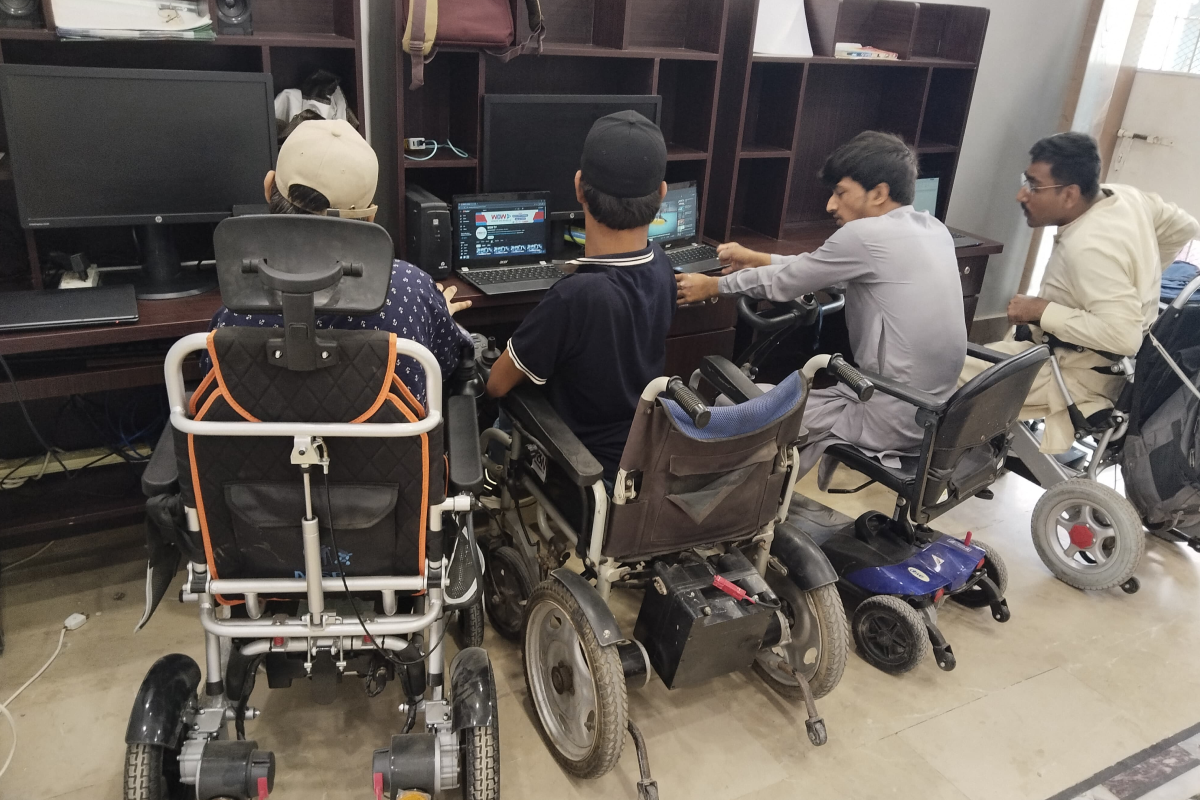
Reasonable accommodations are adjustments that allow employees with disabilities to perform their roles effectively without creating undue burden for employers. These accommodations are often simple and cost-effective.
Examples include:
- Adjustable desks and seating
- Screen readers or captioning software
- Flexible working hours
- Remote or hybrid work options
- Clear communication methods
When employers understand that accommodations support performance rather than hinder it, inclusion becomes a practical decision rather than a perceived risk.
Role of Employer Awareness and Training
Many employers are willing to hire persons with disabilities but lack understanding of how to support them. NGOs play a vital role in filling this gap.
Employer training programs often cover:
- Disability awareness and respectful communication
- Understanding different types of disabilities
- Legal responsibilities and rights
- Inclusive recruitment practices
- Managing diverse teams
By providing structured guidance, a leading NGO in Pakistan helps organizations move from intention to action.
Building Inclusive Hiring Practices
Inclusive hiring starts with fair recruitment processes. NGOs work with companies to review and improve their hiring methods so that candidates with disabilities are not excluded unintentionally.
Inclusive hiring practices include:
- Accessible job descriptions
- Skills-based assessments instead of assumptions
- Flexible interview formats
- Bias-free evaluation criteria
- Clear accommodation policies
These changes allow employers to identify talent based on ability and potential.
NGO and Corporate Sector Collaboration
True workplace inclusion requires collaboration. A leading NGO in Pakistan acts as a bridge between persons with disabilities and the corporate sector.
Collaboration areas include:
- Job placement support
- Internship and apprenticeship programs
- On-the-job coaching
- Policy development for inclusion
- Monitoring workplace inclusion outcomes
Through partnership, NGOs help companies build inclusive systems while ensuring employees with disabilities receive ongoing support.
CSR and Disability-Inclusive Employment
Corporate Social Responsibility (CSR) has shifted from donation-based models to long-term impact initiatives. Disability-inclusive employment is a growing focus within CSR strategies.
CSR-linked inclusion efforts involve:
- Funding accessibility improvements
- Supporting skill development programs
- Creating inclusive work policies
- Promoting disability leadership within teams
- Reporting inclusion outcomes transparently
NGOs guide companies in aligning CSR goals with inclusive employment practices that benefit both business and society.
Benefits of Inclusive Employment for Organizations
Inclusive workplaces do not only benefit employees with disabilities; they strengthen organizations as a whole.
Key benefits include:
- Broader talent pool
- Higher employee engagement
- Stronger organizational reputation
- Improved teamwork and innovation
- Better compliance with social responsibility standards
An inclusive workplace for PWD reflects a company’s commitment to fairness and long-term growth.
Social and Economic Impact of Inclusive Workplaces
When persons with disabilities gain access to employment, the impact extends beyond the workplace.
Broader outcomes include:
- Increased household income
- Reduced dependency
- Greater community participation
- Improved self-confidence and dignity
- Positive role models for inclusion
A leading NGO in Pakistan recognizes that employment is not only an economic issue but also a social one that shapes identity and belonging.
Sustaining Inclusive Employment Practices
Inclusion is not a one-time effort. Sustainable change requires continuous learning, evaluation, and adaptation.
NGOs support sustainability by:
- Conducting follow-up assessments
- Offering refresher training
- Supporting conflict resolution
- Updating accessibility practices
- Sharing inclusion success stories
Long-term partnerships help organizations maintain inclusive practices as they grow.
Conclusion
A leading NGO in Pakistan is one that actively shapes systems where persons with disabilities can work, contribute, and grow with confidence. By promoting an inclusive workplace for PWD, such NGOs help redefine employment as a shared opportunity rather than a selective privilege.
Through employer training, reasonable accommodations, and strong corporate partnerships, NGOs create pathways toward dignified employment. Inclusive workplaces benefit individuals, strengthen organizations, and contribute to a more fair and balanced society, making inclusion not just a goal but a shared responsibility.