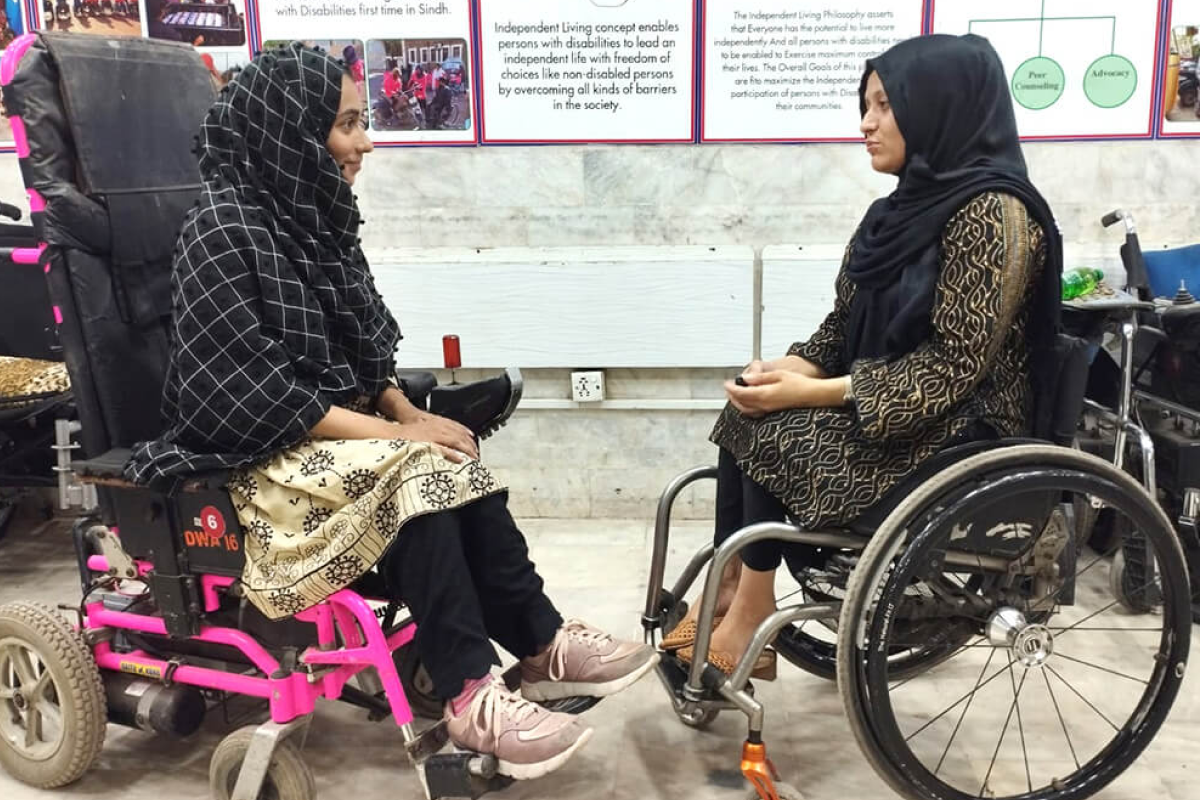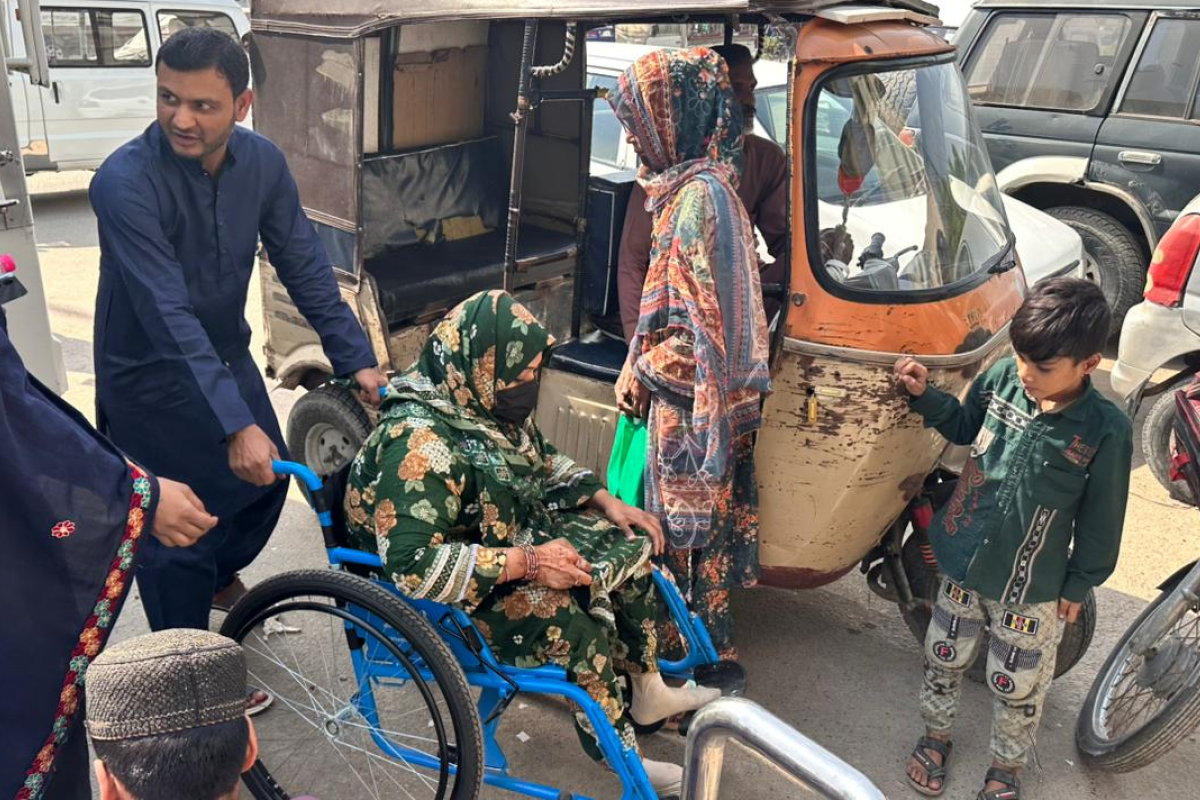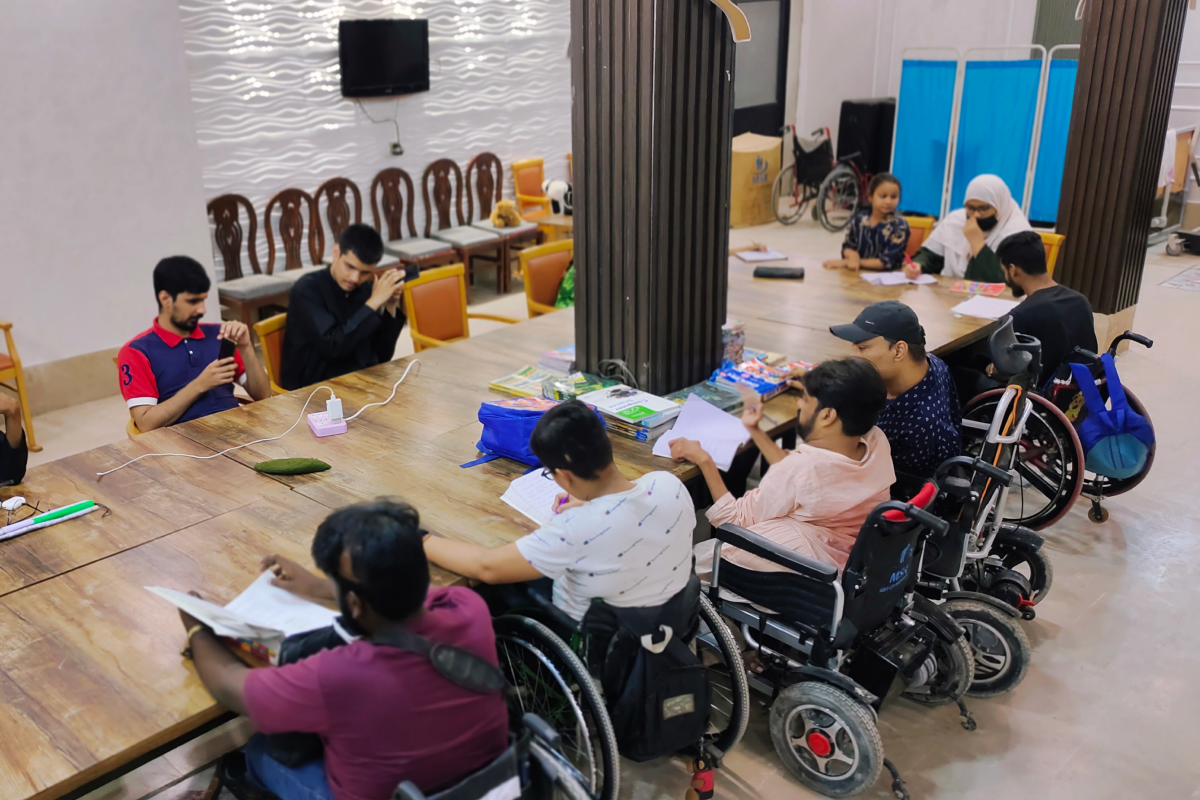
Best NGO in Pakistan: Supporting Daily Independence With Care and Dignity

The phrase best NGO in Pakistan carries weight but must be understood ethically. It is not a claim of superiority; it reflects consistent impact, transparency, and community trust. For persons with disabilities, the best NGO in Pakistan is one that prioritizes human dignity, practical support, and long-term empowerment.

A cornerstone of this support is independent living daily support, which enables individuals to manage routines, maintain control over their lives, and participate meaningfully in society. When daily needs are met with respect and consistency, independence is strengthened, and families experience relief and reassurance.

Understanding the Role of Daily Support in Independent Living

Independent living daily support refers to assistance with essential tasks that make daily life manageable, safe, and autonomous. It is not about creating dependency; it is about providing tools, guidance, and hands-on help in a way that respects choice and personal control.

Daily support may include:

  • Mobility assistance within the home and community
  • Personal care and hygiene
  • Meal preparation and household management
  • Communication and social engagement support

When delivered thoughtfully, this support allows persons with disabilities to focus energy on education, work, or creative pursuits while maintaining dignity in everyday life.

Types of Daily Support Services Offered

The best NGO in Pakistan ensures that independent living daily support is comprehensive and adaptable. Services are tailored to individual needs and may include:

  • Personal Care Support – Assistance with bathing, dressing, grooming, and toileting
  • Mobility Support – Help with moving around safely at home or in public spaces
  • Household Management – Guidance on cooking, cleaning, and maintaining living spaces
  • Communication Support – Assistance with devices, understanding information, or expressing needs

Each service is delivered within a framework of respect, privacy, and person-directed control.

NGO-Supported Independent Living Models

Independent living models provided by NGOs are designed around the individual. Instead of imposing routines, the person receiving support remains the decision-maker. Independent living daily support is a tool for maintaining this autonomy rather than replacing it.

Programs often include:

  • Personalized planning based on ability and preference
  • Trained attendants who follow guidance rather than dictate routines
  • Regular monitoring to ensure safety, effectiveness, and dignity

By combining structured support with ethical oversight, the best NGO in Pakistan ensures independence is sustainable and meaningful.

Measurable Impact on Daily Life

The effect of independent living daily support is visible in day-to-day routines. Individuals experience:

  • Increased confidence in managing personal tasks
  • Reduced reliance on family for daily care
  • Improved participation in social, educational, and employment activities
  • Greater sense of control and self-worth

These measurable outcomes reflect the effectiveness of programs offered by the best NGO in Pakistan, demonstrating that independence is not abstract but a tangible improvement in quality of life.

Vision for Inclusive and Independent Living

A best NGO in Pakistan envisions a society where persons with disabilities can live independently, contribute to their communities, and pursue personal goals without unnecessary barriers. Independent living daily support is central to this vision, providing the foundation for skill development, autonomy, and confidence.

Empowered individuals strengthen families, transform community attitudes, and promote inclusive social structures. NGOs that focus on practical, respectful, and person-centered support create ripple effects that extend far beyond the immediate services provided.

Building a Future of Choice and Capability

Independence is realized when support respects human dignity, prioritizes ethical practice, and encourages personal growth. By providing consistent independent living daily support, the best NGO in Pakistan ensures that persons with disabilities are not only supported but also empowered to live lives defined by their own choices.

Through structured programs, attentive training, and ongoing community engagement, independent living becomes more than a goal; it becomes a way of life. A society that invests in such support invests in equality, opportunity, and lasting social impact.
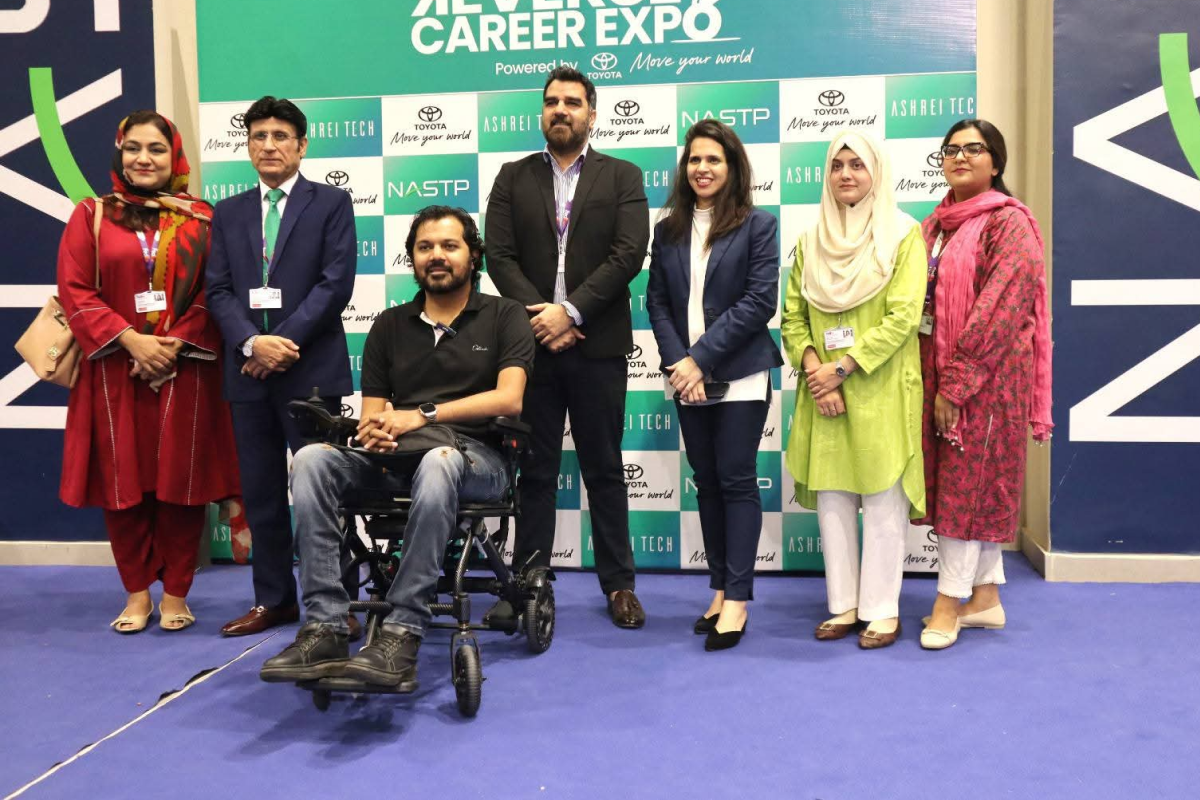
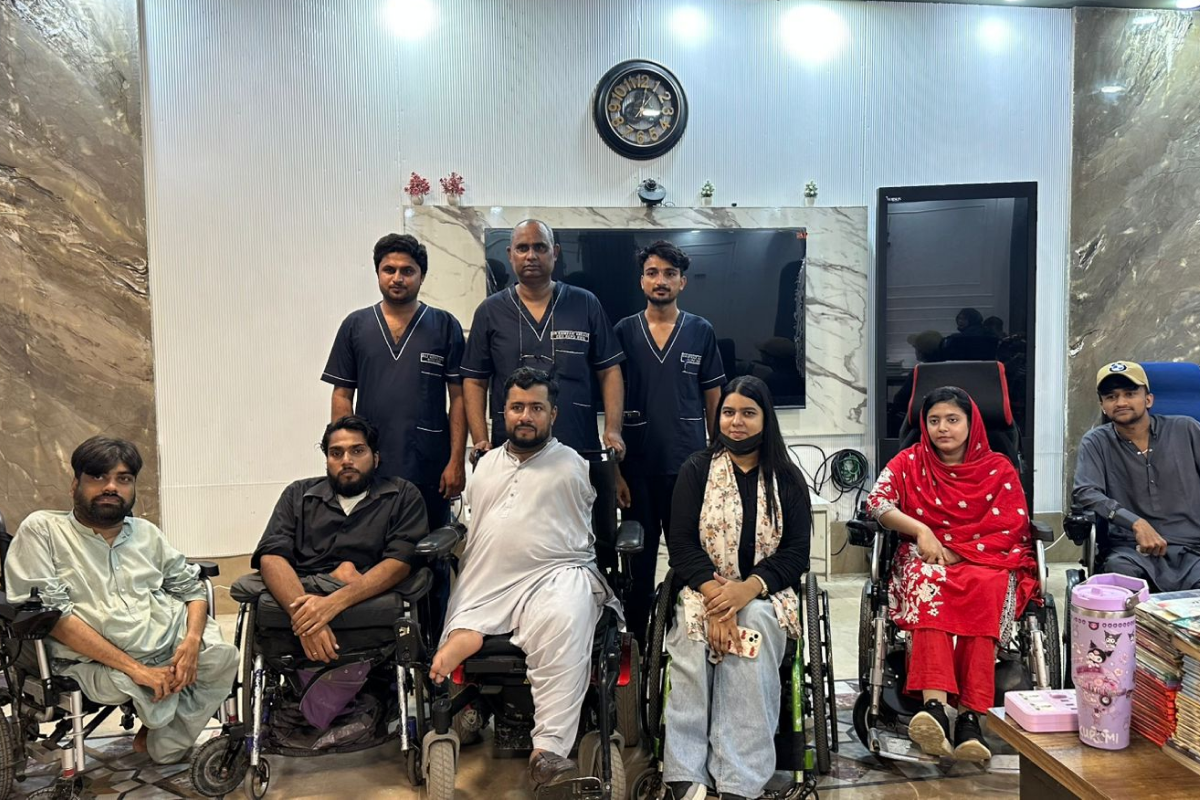
Leading NGO in Pakistan: Promoting Independence Through Skilled Support

For persons with disabilities, meaningful independence depends on access to professional, reliable, and respectful assistance. A leading NGO in Pakistan is defined not only by its reputation but also by the quality of services, ethical standards, and measurable impact it achieves for the communities it serves.

One of the most important services offered by such organizations is support from trained personnel. An independent living attendant provides hands-on assistance that allows individuals to carry out daily routines safely and confidently while retaining authority over their own lives.

Defining a Leading NGO in Pakistan

A leading NGO in Pakistan demonstrates accountability, transparency, and consistent service quality. These organizations prioritize mission-driven outcomes over visibility or recognition. Key features include:

  • Structured and ethical service delivery
  • Focus on measurable outcomes and impact
  • Qualified and trained staff
  • Advocacy for inclusion and human rights

Leadership is reflected in long-term commitment to communities, responsiveness to feedback, and the ability to innovate while maintaining standards. Trust is earned through consistent action and measurable benefits for persons with disabilities.

The Role of an Independent Living Attendant

An independent living attendant serves as a bridge between personal ability and practical independence. Attendants assist with daily activities such as mobility, personal care, and household routines. Their role is to support without overriding the individual’s choices.

Rather than performing tasks without guidance, a skilled attendant follows instruction, maintains boundaries, and encourages decision-making. This person-centered approach allows the individual to retain control while receiving essential support.

At PILC, the independent living attendant is trained to provide assistance that strengthens independence rather than creating dependency.

Training and Professionalism of Attendants

The quality of support depends directly on the preparation of attendants. A leading NGO in Pakistan invests in comprehensive training that includes:

  • Safe handling techniques and mobility assistance
  • Communication and active listening skills
  • Understanding of disability rights and ethical conduct
  • Problem-solving and adaptive support strategies

Professionalism is reinforced through ongoing mentorship, regular evaluation, and adherence to clear ethical standards. Well-trained attendants create an environment of trust, safety, and dignity.

Person-Centered Support Approach

Person-centered support is central to the philosophy of independent living. Services are designed around the individual’s abilities, preferences, and goals rather than fitting the person into rigid routines.

The independent living attendant works in partnership with the individual, encouraging autonomy in daily routines. Each plan is tailored to personal needs, ensuring that support is relevant, flexible, and respectful.

This approach strengthens confidence and provides a foundation for sustained independence over time.

Quality Assurance and Monitoring

A leading NGO in Pakistan ensures accountability through rigorous quality assurance and monitoring systems. Regular performance checks, feedback loops, and transparent reporting mechanisms help maintain high standards of service.

Monitoring ensures that attendants consistently follow person-centered practices and adhere to ethical guidelines. It also allows organizations to adjust training, policies, and support methods based on observed needs and outcomes.

Positive Outcomes for Independence

When persons with disabilities receive support from skilled independent living attendants, the impact is significant. Individuals experience:

  • Improved ability to perform daily activities
  • Greater confidence and self-reliance
  • Reduced strain on families and caregivers
  • Increased participation in education, work, and community life

The combination of professional support, ethical standards, and person-centered planning allows independence to grow sustainably, reinforcing the role of a leading NGO in Pakistan as both service provider and advocate.

Building a Future of Respect and Autonomy

Independence is a right, not a privilege. By providing structured, skilled support, a leading NGO in Pakistan helps persons with disabilities claim that right in practical ways. Independent living attendants are essential to this process, translating philosophy into daily action while ensuring safety, dignity, and personal choice.

Through consistent service, careful monitoring, and professional training, NGOs strengthen individual autonomy and contribute to inclusive, capable communities. Independent living becomes not just a goal, but a reality experienced every day.

PWD Empowerment: Building Skills, Confidence, and Community Connection

Empowerment is not a gift; it is cultivated through opportunity, skill development, and meaningful participation. For persons with disabilities, PWD empowerment is about being recognized as capable decision-makers, able to shape their own lives while participating fully in family, work, and community.

Independent Living (IL) Centres play a vital role in turning this principle into reality. They provide training, support, and advocacy that strengthens both practical ability and self-confidence. Through structured programs and personalized assistance, individuals learn to navigate daily life with dignity and control.

Understanding PWD Empowerment

At its core, PWD empowerment means giving individuals authority over their own choices, routines, and aspirations. It is more than providing services; it is about creating conditions where persons with disabilities are active participants rather than passive recipients.

Empowerment fosters independence, self-respect, and social inclusion. When individuals feel capable, they are more willing to engage in education, employment, and civic life. This shift has ripple effects, benefiting families, communities, and society at large.

The Role of Independent Living Centres

IL Centres act as hubs for skill-building, guidance, and advocacy. They focus on equipping individuals with the knowledge and support needed to manage daily tasks, access services, and advocate for themselves.

Key contributions of IL Centres include:

  • Offering structured training programs on personal care, mobility, and communication
  • Providing professional assistance that supports autonomy
  • Facilitating connections with community services and peer networks

By centering the individual in planning and service delivery, IL Centres translate the philosophy of PWD empowerment into measurable outcomes.

IL Centre Outreach: Reaching Underserved Communities

Not all persons with disabilities have equal access to services. IL centre outreach programs aim to bridge this gap by bringing resources to underserved or remote areas. Outreach initiatives ensure that training, guidance, and assistance reach those who might otherwise be excluded.

Activities often include:

  • Mobile training units and visits to villages
  • Awareness campaigns about rights and available services
  • Coordination with local organizations and community leaders

Through IL centre outreach, support extends beyond the physical walls of the centre, ensuring that empowerment is accessible to all.

Awareness Sessions and Home-Based Support

Empowerment is reinforced through education. Awareness sessions inform individuals and families about disability rights, daily living skills, and practical strategies for inclusion. These sessions complement hands-on training and create an informed community that values participation.

Home-based support is another critical component. By providing guidance in familiar environments, individuals can apply skills directly to their daily routines. IL centre outreach ensures that home visits are conducted respectfully, addressing both personal and environmental needs.

Impact on Participation and Inclusion

Empowered individuals are more likely to engage in social, educational, and economic activities. PWD empowerment increases confidence, allowing people to contribute meaningfully to family decision-making, workplace productivity, and community initiatives.

Inclusion grows when individuals demonstrate capability. Families, peers, and local communities begin to adjust expectations and recognize abilities rather than limitations. This shift is central to creating a culture of respect and opportunity.

Long-Term Outcomes of Empowerment

The long-term impact of PWD empowerment extends beyond immediate skills. Individuals develop sustained independence, better problem-solving abilities, and a sense of purpose. Over time, these outcomes foster self-reliance and reduce dependence on reactive or crisis-based support.

IL Centres, through both in-center programs and IL Centre outreach, create the structures that allow empowerment to be consistent and ongoing. The result is a generation of persons with disabilities who are confident, capable, and integrated into society as equal contributors.

Building a Future Rooted in Dignity

Empowerment is a continuous process that requires access, opportunity, and support. By combining skill development, awareness, home-based assistance, and community engagement, PWD empowerment becomes tangible and transformative.

Through thoughtful programs, professional guidance, and targeted IL centre outreach, Pakistan Independent Living Centre (PILC) works to ensure that persons with disabilities are not only supported but also fully equipped to lead lives of dignity, choice, and inclusion.

When individuals are empowered, families are strengthened, communities become inclusive, and society benefits as a whole. True empowerment transforms not only the person but also the environment in which they live.

Strengthening Independent Living Through Household Skills and Community Support

Daily life is shaped by routine activities carried out within the home. For persons with disabilities, the ability to manage household responsibilities plays a major role in confidence, stability, and participation in family life. Across the country, a social welfare NGO in Pakistan, serves as a vital support system by providing structured training, guidance, and resources that help individuals build practical life skills.

Household skill development is not only about tasks; it is about dignity and self-reliance. When individuals are supported in learning how to manage their own living spaces, they gain greater control over their lives and futures.

The Role of Social Welfare NGOs in Pakistan

In Pakistan, social welfare organizations fill critical gaps where public services are limited or inconsistent. A social welfare NGO in Pakistan works closely with communities to address practical needs while advocating for inclusion and equal opportunity.

These organizations often provide disability-focused services such as skill training, personal support, awareness programs, and family guidance. Their work is rooted in understanding local realities and responding with solutions that are realistic and accessible.

By focusing on community-based support, NGOs help persons with disabilities remain connected to family life rather than being isolated or dependent on institutional care.

Why Household Training Matters for Persons With Disabilities

Managing household responsibilities is a key part of independent living. Household training for PWD supports individuals in developing the skills needed to take part in daily home life with confidence.

Without proper training, many persons with disabilities are excluded from household activities, not due to inability, but due to lack of opportunity and guidance. Structured training helps break this pattern by building practical competence step by step.

This kind of training also supports emotional well-being. When individuals contribute to their households, they experience a stronger sense of belonging and self-worth.

Core Household Skills That Support Daily Independence

Household training programs focus on practical skills that are essential for daily living. These skills are taught in ways that respect individual ability and personal pace.

Cooking and Meal Preparation

Cooking skills include safe food handling, basic meal preparation, and use of kitchen tools. Household training for PWD adapts techniques to ensure safety while encouraging participation in meal planning and preparation.

Cleaning and Home Organization

Cleaning tasks such as sweeping, organizing, and maintaining personal spaces help individuals take responsibility for their environment. Training focuses on methods that reduce physical strain and support consistency.

Budgeting and Expense Awareness

Understanding household expenses is an important life skill. Basic budgeting helps individuals make informed decisions about daily spending, contributing to greater financial awareness.

Home Safety Practices

Safety training includes identifying hazards, managing emergency situations, and maintaining a safe living space. These skills reduce risk and support confidence within the home.

Each of these skills contributes to long-term independence when practiced regularly with proper support.

How NGOs Deliver Household Training Programs

A social welfare NGO in Pakistan designs household training programs that are practical, flexible, and person-focused. Training is often delivered through hands-on sessions rather than theoretical instructin.

Programs usually include:

  • Individual assessments to understand support needs
  • Step-by-step skill development
  • Ongoing guidance and encouragement
  • Coordination with families for continuity at home

By offering household training for PWD within a supportive framework, NGOs help individuals apply skills directly to their own living situations rather than abstract settings.

Support Systems That Make Training Effective

Effective household training does not happen in isolation. It requires consistent support systems that reinforce learning over time.

NGOs often work closely with families to ensure that skills learned during training are practiced at home. This collaboration helps prevent skill loss and builds shared understanding between individuals and caregivers.

A social welfare NGO in Pakistan also connects individuals to peer support, community activities, and additional services that strengthen overall independence.

Benefits for Families and Independent Living

The impact of household training for PWD extends beyond the individual. Families benefit when household responsibilities are shared more evenly, reducing emotional and physical pressure on caregivers.

As individuals gain confidence in managing daily tasks, family relationships often improve. Support shifts from constant assistance to cooperation and mutual respect.

From an independent living perspective, household skills form the foundation of autonomy. When individuals can manage their homes, they are better prepared for future goals such as shared living, employment, or independent housing.

Building Confidence Through Everyday Skills

Confidence grows through action. Each household task completed independently reinforces a sense of capability. Over time, these small achievements add up to meaningful change.

A social welfare NGO in Pakistan plays an important role in creating environments where persons with disabilities are encouraged to try, learn, and grow without fear of failure.

Training programs that focus on patience and consistency help individuals see themselves as capable contributors rather than passive recipients of care.

A Path Toward Sustainable Independence

Independent living is strengthened when individuals have both skills and support. Household training for PWD provides a practical pathway toward managing daily life with greater control and assurance.

Through community-based programs, ethical practice, and family involvement, NGOs continue to support persons with disabilities in building stable and fulfilling lives.

The work of a social welfare NGO in Pakistan is not limited to training alone. It is about creating conditions where independence can develop naturally, one skill at a time.

When individuals are supported in managing their own homes, independence becomes part of everyday life, not a distant goal.

Building Trust Through Care: How NGOs Support Disability Assistance With Integrity

Trust is not claimed; it is built through consistency, ethics, and lived impact. For persons with disabilities and their families, choosing a support organization is a decision rooted in safety, dignity, and long-term reliability. A trusted NGO in Pakistan is defined not by its visibility, but by how responsibly it serves those who rely on it.

In disability support, trust becomes even more critical. Personal assistance involves close interaction, private routines, and deep responsibility. When services are provided thoughtfully and ethically, they strengthen independence rather than creating vulnerability.

What Makes an NGO Truly Trustworthy

A trusted NGO in Pakistan demonstrates accountability in both actions and outcomes. Trustworthy organizations are transparent about their services, clear about eligibility, and consistent in delivery. They listen to communities rather than speaking for them.

Key characteristics include:

  • Clear service guidelines and ethical policies
  • Qualified and trained support staff
  • Respect for personal boundaries and consent
  • Strong coordination with families and communities

Trust is built over time through reliability. When individuals feel heard and respected, confidence in the organization naturally grows.

Why Personal Assistance Matters for Persons With Disabilities

Personal assistance plays a vital role in daily life for many persons with disabilities. Support with routine activities allows individuals to manage their lives more comfortably and safely. The free personal assistant disability service exists to remove barriers that prevent participation in education, work, and community life.

Personal assistance is not about dependence. It is about access. When individuals receive support according to their own preferences, they are better able to maintain control over their routines and decisions.

At its best, personal assistance supports independence while preserving personal space and dignity.

Free Personal Assistant Programs and Who Can Access Them

Access to assistance is often limited by financial constraints. Programs offering free personal assistant disability services help bridge this gap, particularly for individuals from low-income households.

Eligibility for such programs is usually based on:

  • Level of functional need
  • Economic circumstances
  • Availability of family or community support
  • Commitment to using assistance responsibly

Organizations that offer free personal assistant disability support often conduct careful assessments to ensure services reach those who need them most. This process protects both the individual and the integrity of the program.

Training and Ethical Standards for Assistants

The quality of personal assistance depends heavily on training and ethics. A trusted NGO in Pakistan invests in preparing assistants not only with practical skills but also with a strong understanding of respect, confidentiality, and consent.

Training typically includes:

  • Safe assistance techniques
  • Communication and boundary awareness
  • Understanding disability rights
  • Handling sensitive situations with care

Ethical standards guide how assistants interact with individuals and families. Assistants are taught to follow direction rather than impose opinions. This approach helps ensure that support remains respectful and person-directed.

Protecting Dignity, Privacy, and Safety

Personal assistance involves close contact, which makes safeguarding essential. A trusted NGO in Pakistan prioritizes dignity and privacy at every level of service delivery.

Safeguarding measures include:

  • Clear reporting mechanisms
  • Supervision and regular evaluations
  • Confidential handling of personal information
  • Zero tolerance for misuse of authority

When free personal assistant disability services are delivered within a strong safeguarding framework, individuals feel safer and more confident using support. This trust allows assistance to become a source of stability rather than concern.

Impact on Families and the Wider Community

The benefits of reliable personal assistance extend beyond the individual. Families experience reduced physical and emotional strain when professional support is available. Relationships shift from constant caregiving to shared connection and respect.

Communities also benefit. When persons with disabilities receive consistent support, they are more likely to participate in education, employment, and civic life. This participation challenges stereotypes and promotes inclusion.

Programs offering free personal assistant disability services contribute to stronger social bonds by ensuring that disability does not result in isolation or exclusion.

Trust as a Foundation for Long-Term Support

Trust is not built through promises but through daily practice. A trusted NGO in Pakistan earns confidence by showing up consistently, addressing concerns openly, and placing human dignity above all else.

Organizations like the Pakistan Independent Living Centre (PILC) work within communities to ensure that personal assistance is delivered with care, responsibility, and respect. Their approach reflects an understanding that support must protect autonomy, not weaken it.

Moving Forward Together

Reliable disability support requires collaboration between individuals, families, organizations, and communities. When services such as free personal assistant disability programs are guided by ethics and accountability, they create lasting positive change.

Trust grows when people feel safe, respected, and supported in their daily lives. Through responsible service delivery and community engagement, NGOs can continue building systems that support independence with integrity.

A society that invests in trustworthy support structures invests in dignity for all.

Independent Living Philosophy: Understanding Daily Support With Dignity and Choice

For many people, independence is often misunderstood as doing everything alone. For persons with disabilities, independence has a different and more meaningful definition. It is about having a say in one’s own life, making personal decisions, and receiving support in a way that respects individuality. The independent living philosophy offers a clear framework for understanding how this balance between support and autonomy can exist.

This philosophy does not deny the need for assistance. Instead, it recognizes that support, when structured correctly, strengthens confidence and participation rather than limiting them. The Pakistan Independent Living Centre (PILC); this understanding shapes how services are designed and delivered every day.

Explaining the Independent Living Philosophy in Simple Terms

In simple terms, the independent living philosophy means that persons with disabilities should control their own lives. They decide where they live, how they spend their time, and what kind of help they need. Support is present, but authority remains with the individual.

This philosophy challenges traditional care models where decisions are often made by families, institutions, or service providers. It shifts the focus toward listening, respecting personal preferences, and supporting people in ways that match their lived reality.

Independent living is not about removing support. It is about ensuring that support responds to the person, not the system. When individuals are trusted to guide their own lives, independence becomes practical and sustainable.

What Daily Support Means for Persons With Disabilities

Daily support refers to assistance with routine activities that are part of everyday life. For persons with disabilities, this support can be essential for maintaining health, safety, and participation in social life. Disability daily support exists to make these activities manageable without removing personal choice.

This kind of support is often misunderstood as dependency. In reality, it enables people to manage their routines with confidence and stability. When support is reliable and respectful, individuals are better able to focus on education, work, and relationships.

At PILC, disability daily support is approached as a partnership. The individual directs how support is provided, and services adjust according to changing needs over time.

Types of Daily Support in Independent Living

Daily support takes many forms, depending on individual needs and circumstances. These supports are not identical for everyone, which is why flexibility and communication are essential.

Mobility Support

Mobility assistance may include help with transfers, walking, wheelchair use, or safe movement within the home and community. Proper mobility support helps reduce physical strain while allowing individuals to remain active in daily life.

Self-Care Support

Self-care includes activities such as bathing, dressing, grooming, and toileting. Disability daily support in self-care focuses on safety and privacy while respecting personal routines and comfort levels.

Communication Support

Some individuals require assistance with communication, such as using assistive devices, understanding information, or expressing needs clearly. Communication support plays a vital role in ensuring that individuals can advocate for themselves and participate fully in decisions.

Each type of support contributes to daily stability and personal confidence when delivered with respect and patience.

Respecting Autonomy and Personal Choice

Autonomy is central to the independent living philosophy. Support should never replace a person’s right to choose. Even when assistance is required, individuals must remain involved in decisions about timing, methods, and boundaries.

Respecting autonomy means listening carefully and responding without judgment. It also means accepting that individuals may make choices others do not fully understand. Independence includes the freedom to learn, adjust, and grow through experience.

When disability daily support respects autonomy, it reinforces trust. This trust strengthens confidence and encourages individuals to take greater responsibility for their own lives over time.

NGO Support Frameworks for Independent Living

Non-governmental organizations play a key role in making independent living possible, especially in communities where public services are limited. NGOs often combine practical services with advocacy, training, and awareness work.

Pakistan Independent Living Centre (PILC) follows a framework that places individuals at the center of all planning. Support services are designed around personal needs rather than fixed categories. This approach reflects the values of the independent living philosophy in everyday practice.

NGO frameworks also focus on sustainability. By building skills, confidence, and awareness, organizations help individuals rely less on crisis-based care and more on structured, ongoing support.

Long-Term Impact on Independence and Quality of Life

Consistent and respectful disability daily support has a lasting effect on independence. When individuals know their daily needs will be met reliably, they are more willing to pursue long-term goals such as education, employment, or community involvement.

Over time, individuals often gain greater control over their routines and decision-making. Some may reduce the level of support they need, while others may simply feel more secure in managing their lives. Both outcomes represent meaningful independence.

Families also benefit. Reliable support reduces emotional and physical pressure, allowing relationships to shift from constant caregiving to mutual respect and shared responsibility.

Independence as a Process, Not a Standard

The independent living philosophy recognizes that independence looks different for each person. There is no single standard or timeline. What matters is that individuals are supported in defining independence on their own terms.

Daily support should adapt as needs change. Flexibility allows individuals to grow without fear of losing assistance. This balance between support and autonomy helps independence develop naturally rather than being forced.

When communities understand independence as a process, inclusion becomes more realistic and compassionate.

Building a Supportive Future Together

Independent living depends on informed families, trained service providers, ethical organizations, and inclusive attitudes. NGOs like PILC work to strengthen these connections by promoting understanding and practical solutions.

Through thoughtful disability daily support, person-centered planning, and respect for personal choice, independent living becomes achievable for more people.

The independent living philosophy reminds us that dignity is not granted through care; it is protected through respect. When support is guided by trust and understanding, independence becomes part of everyday life, not an exception.

Independent Living Philosophy: Reclaiming Choice, Control, and Personal Direction

The way society understands disability has a direct impact on how persons with disabilities experience daily life. For decades, support systems were built around protection and dependency, often leaving individuals without a meaningful voice in their own decisions. The independent living philosophy offers a different way forward, one that centers human agency, lived experience, and the right to self-direction.

Rather than asking how much care a person needs, this philosophy asks how support can be structured to respect personal authority. It recognizes that independence is not about absence of help but about control over one’s life, routines, and future.

What the Independent Living Philosophy Truly Means

At its core, the independent living philosophy affirms that persons with disabilities are experts in their own lives. It rejects the idea that disability automatically requires supervision or institutional control. Instead, it promotes community-based living supported by choice-driven services.

This philosophy grew from disability rights movements that challenged segregated care systems. It emphasizes that barriers are often social and structural, not individual. When access, training, and respectful support exist, people can live with confidence and purpose.

Independent living, in this context, is not defined by physical ability. It is defined by decision-making power: who decides how assistance is provided, who sets daily routines, and who shapes long-term goals.

Choice, Control, and Self-Determination in Everyday Life

Choice is more than a concept; it is practiced through daily decisions. What time to wake up, what to wear, when to rest, and how to engage socially all influence a person’s sense of dignity.

Control ensures that support does not override personal preference. Within the independent living philosophy, assistance is guided by instruction from the individual, not assumptions made by others.

Self-determination reflects the right to take responsibility for one’s own life. It includes learning from experience, adapting to challenges, and defining success on personal terms. This principle acknowledges that growth comes through participation, not restriction.

Together, these values replace dependency-based models with partnerships grounded in trust and respect.

The Role of Disability Attendant Services in Independent Living

For many persons with disabilities, practical assistance is essential for daily functioning. The disability attendant service plays a central role in supporting independence when it is structured correctly.

An attendant provides physical assistance while following the direction of the individual. This may include help with personal care, mobility, or household tasks. What matters most is that the person receiving support remains in charge of how and when assistance is given.

Under the independent living philosophy, attendants are not decision-makers. They are facilitators of access. Their role is to support daily life without taking control away from the individual.

Pakistan Independent Living Centre (PILC), the disability attendant service is delivered through clear boundaries, respectful communication, and professional training. This approach helps maintain balance between support and autonomy.

Person-Centered Support as a Living Practice

Person-centered support models are practical expressions of the independent living philosophy. Instead of fitting individuals into rigid systems, these models adapt services to personal needs, values, and goals.

Support planning begins with listening. Individuals are involved in defining what support looks like, how it is delivered, and how it evolves over time. Cultural context, routines, and personal comfort are treated as priorities, not afterthoughts.

Flexibility is essential. A person-centered approach allows support levels to change as confidence and skills grow. This ensures that independence develops naturally rather than being limited by fixed expectations.

NGO-Led Empowerment and Ethical Support

Non-governmental organizations play a critical role in advancing independent living, particularly in regions where public disability services remain limited. An NGO-led model allows for values-driven decision-making rather than profit-based care.

Pakistan Independent Living Centre (PILC) operates through an empowerment framework that prioritizes long-term well-being. Services are designed to strengthen confidence, practical skills, and self-awareness while respecting individual pace.

Through advocacy, training, and community engagement, NGOs help normalize the independent living philosophy within society. They also ensure that services such as disability attendant service remain accountable, ethical, and person-directed.

Real-Life Outcomes and Independence in Practice

The impact of independent living is visible in everyday outcomes. Individuals who receive person-directed support often experience improved confidence, emotional stability, and greater social participation.

Many persons with disabilities begin managing their own routines with the help of a disability attendant service, reducing reliance on family members. This shift often strengthens relationships by removing constant caregiving pressure.

Others pursue education, employment, or community involvement once daily support needs are consistently addressed. Reliable assistance allows individuals to focus on growth rather than survival.

These outcomes reflect the strength of a system built on trust, respect, and shared responsibility.

Independence as a Collective Responsibility

Independent living does not exist in isolation. It depends on inclusive attitudes, trained support providers, accessible environments, and informed communities. Families, organizations, and institutions all contribute to making independence sustainable.

The independent living philosophy reminds society that inclusion is not charity. It is a matter of rights and fairness. When persons with disabilities are supported in directing their own lives, communities become more balanced and humane.

Moving Forward With Purpose

Through person-centered support, ethical disability attendant service, and NGO-led empowerment, independent living becomes a lived reality rather than an abstract idea.

Pakistan Independent Living Centre (PILC) continues to advance this vision by supporting individuals in building lives shaped by choice, control, and personal direction. Independence grows when people are trusted to lead their own lives and supported in ways that respect who they are.

Independent Living Centre: A Supportive Space for Autonomy and Daily Care

An independent living center exists to support persons with disabilities in living full, self-directed lives. It is not a place that replaces family or community; it is a structured environment where individuals receive practical assistance while maintaining control over their personal choices. At its core, an independent living center recognizes that disability does not remove a person’s right to dignity, privacy, or decision-making.

Pakistan Independent Living Centre (PILC) operates with this understanding. The center is designed to respond to real needs daily care, mobility support, skill development, and reliable assistance without reducing individuals to their limitations. Every service is provided with respect for personal boundaries and individual preference.

What Is an Independent Living Centre?

An independent living center is a facility that provides organized support services to persons with disabilities, enabling them to manage everyday life with greater autonomy. These centers focus on ability rather than dependency. Support is offered where needed, but the individual remains at the center of all decisions.

Unlike institutional care settings, an independent living center does not remove personal agency. Residents or service users are encouraged to set routines, make choices about their care, and participate actively in their own lives. The environment is structured but not controlling.

At PILC, the independent living centre model is shaped by lived experience, disability rights principles, and community-based practice. The aim is to support independent living in a way that feels realistic, respectful, and sustainable.

Services Offered at the Independent Living Centre

An independent living center provides a range of services that address daily living needs while supporting long-term independence. These services are not limited to physical assistance; they also include emotional reassurance, skill support, and coordination with families and communities.

Key services offered include:

Daily Living Support

Assistance with everyday activities such as personal care, mobility, and household routines. Support is adjusted according to individual needs and comfort levels.

Mobility and Physical Assistance

Help with movement, transfers, and use of assistive devices. This support ensures safety while encouraging individuals to remain as active as possible.

Personal Care Support

Support with hygiene, grooming, dressing, and toileting, delivered with sensitivity to privacy and personal preference.

Routine Management

Assistance with daily schedules, medication reminders, and coordination of appointments, helping individuals maintain structure without losing control over their time.

Each service is provided with the understanding that support should adapt to the person not the other way around.

The Importance of Attendant Service for PWD

Attendant service for PWD is a central part of independent living. Attendants provide hands-on assistance that allows persons with disabilities to carry out daily activities safely and comfortably. This service is not about dependency; it is about access.

A trained attendant supports tasks that may be physically challenging while respecting the individual’s independence. The person receiving support directs how assistance is provided, when it is needed, and what level of involvement feels appropriate.

At PILC, attendant services are structured to support autonomy rather than replace it. Attendants work alongside individuals, not over them.

Trained Attendants vs. Informal Care

There is a significant difference between trained attendants and informal caregivers. While family members often provide care out of love and necessity, they may lack formal training, clear boundaries, or sustainable routines.

Trained Attendant

Trained attendants receive instruction in disability support, personal care techniques, safety practices, and communication. They understand how to assist without causing physical strain or emotional discomfort. They are also trained to respect privacy and personal choice.

Informal Care

Informal care, often provided by family members, can be emotionally demanding and inconsistent. Without training, caregivers may unintentionally limit independence or experience burnout.

An independent living center bridges this gap by offering professional attendant service for PWD while maintaining close coordination with families. This balance supports both the individual and their support network.

Safety, Dignity, and Privacy at the Core

Safety is a fundamental concern in any care setting, but it should never come at the cost of dignity or privacy. Independent living centers must maintain this balance carefully.

At PILC, safety protocols are followed without creating an environment of control. Attendants are trained to assist discreetly, communicate clearly, and respect personal boundaries. Individuals are encouraged to express preferences and voice concerns freely.

Privacy is treated as a right, not a privilege. Personal care is provided in a way that protects confidentiality and personal space. This approach helps individuals feel secure, respected, and comfortable within the center.

The NGO-Managed Centre Model

An NGO-managed independent living center operates with a mission-driven approach rather than a profit-focused one. This model allows services to remain accessible, inclusive, and community-oriented.

Pakistan Independent Living Centre (PILC) functions as a non-profit organization committed to disability rights and practical support. Decisions are guided by community needs, ethical standards, and long-term impact rather than financial return.

The NGO model also allows for collaboration with donors, volunteers, healthcare professionals, and advocacy groups. This network strengthens service quality and ensures that support remains responsive to changing needs.

Building Confidence Through Supported Living

Access to consistent attendant service for PWD has a direct effect on confidence and emotional well-being. When individuals know that reliable support is available, they are more willing to engage in education, employment, and social life.

Independent living centers provide stability. This stability allows individuals to focus on personal growth rather than constant problem-solving around daily care. Over time, supported living contributes to stronger self-belief and improved quality of life.

Families also benefit. Knowing that a loved one is receiving professional, respectful care reduces stress and creates space for healthier relationships.

How to Access Independent Living Centre Services

Accessing services at an independent living center typically begins with an assessment. This process helps determine the level of support required and ensures that services are aligned with individual needs.

At PILC, individuals or families can reach out directly to discuss available services, eligibility, and support options. The center works closely with persons with disabilities to develop care plans that reflect personal goals and comfort levels.

Community members, donors, and partners can also support the center by contributing resources, volunteering, or advocating for inclusive living solutions.

A Commitment to Choice and Respect

An independent living center is more than a facility; it is a commitment to choice, respect, and human dignity. Through structured support, trained attendant service for PWD, and an ethical NGO-managed model, Pakistan Independent Living Centre continues to support independent living in meaningful ways.

Access to the right support can change how a person experiences daily life. With understanding, consistency, and respect, independent living becomes not just possible but sustainable.

Independent Living: Building Self-Reliance Through Daily Life Skills


Independent living is not about doing everything alone. It is about having control over one’s daily choices, routines, and personal direction. For persons with disabilities, independent living represents the right to participate in life on equal terms, with the support and skills needed to manage everyday responsibilities confidently.

Pakistan Independent Living Centre (PILC), independent living is viewed as a practical, achievable way of life. It is shaped through skill development, access to support systems, and respect for individual capability. When people are given the tools to manage daily tasks, they gain more than functional ability; they gain confidence, stability, and a stronger sense of self.

Understanding Independent Living for Persons with Disabilities

Independent living refers to a lifestyle where persons with disabilities can manage their personal, social, and household needs with autonomy. This does not mean the absence of assistance. Instead, it means having the freedom to decide how and when support is used.

For many people with disabilities, barriers arise not from impairment but from limited access to training, resources, and inclusive services. Independent living addresses this gap by focusing on practical life skills, informed decision-making, and community participation. It allows individuals to live with dignity while remaining connected to family, caregivers, and society.

Independent living recognizes that every person’s needs are different. Some may require assistive devices, others may rely on personal attendants, and many benefit from structured skill training. What matters most is that the individual remains in charge of their own life.

Why Independent Living Matters for Dignity and Self-Reliance

Dignity is deeply connected to choice. When a person can decide how to eat, dress, maintain personal care, or organize their day, it reinforces their sense of worth. Independent living supports this by reducing unnecessary dependence and encouraging self-reliance where possible.

Self-reliance does not develop overnight. It grows through consistent learning, patience, and encouragement. When persons with disabilities are supported in learning daily life skills, they are more likely to participate actively in education, employment, and community life.

Independent living also reduces emotional strain on families. When individuals are able to manage parts of their routine independently, relationships shift from dependency to partnership. This balance creates healthier home environments and strengthens mutual respect.

What Is ADL Training?

ADL training for PWD focuses on Activities of Daily Living, which are the basic tasks people perform every day to take care of themselves. These activities form the foundation of independent living and are essential for personal well-being.

ADL training is structured, practical, and tailored to each individual’s abilities. It does not follow a one-size-fits-all approach. Trainers assess physical, sensory, and cognitive needs before guiding individuals through step-by-step learning.

At PILC, ADL training is delivered in a supportive environment where learners feel safe to practice, make mistakes, and grow at their own pace. The goal is not perfection but progress.

Common Examples of Activities of Daily Living

Activities of daily living include a wide range of everyday tasks that many people take for granted. For persons with disabilities, learning or improving these skills can significantly change daily life.

Some key examples include:

Eating and Feeding

This involves using utensils, managing food portions, and developing safe eating habits. For individuals with limited mobility or coordination, adaptive techniques and tools can make eating more manageable and comfortable.

Dressing

Dressing includes choosing appropriate clothing, managing fasteners, and developing routines that support independence. Training often focuses on practical methods that save time and reduce physical strain.

Personal Hygiene

Personal hygiene tasks such as bathing, grooming, oral care, and toileting are central to health and self-respect. ADL training helps individuals learn safe, private, and effective ways to manage these needs according to their abilities.

Each of these activities contributes to a person’s confidence and comfort in social settings, workplaces, and public spaces.

The Role of NGOs in ADL Training

Non-governmental organizations play a vital role in making independent living possible for persons with disabilities, especially in regions where public services are limited.

Organizations like the Pakistan Independent Living Centre (PILC) provide structured ADL training that is often unavailable through mainstream systems. NGOs bring together trained professionals, community resources, and lived experience to create meaningful learning programs.

Beyond skill training, NGOs also advocate for disability rights, accessibility, and inclusion. They raise awareness among families and communities, helping them understand that persons with disabilities are capable of growth when given proper support.

PILC’s approach centers on respect, patience, and long-term development. Training is not rushed, and individuals are encouraged to progress according to their comfort level.

Impact on Confidence, Independence, and Quality of Life

The effects of ADL training go far beyond physical ability. As individuals learn to manage daily tasks, their confidence grows. This confidence often leads to greater social interaction, willingness to try new experiences, and improved mental well-being.

Independence in daily living reduces feelings of helplessness and isolation. It allows persons with disabilities to take part in decisions about education, work, and relationships. Over time, this independence contributes to a higher quality of life.

Families also notice positive changes. Caregivers experience reduced pressure, while relationships become more balanced and supportive. Communities benefit when persons with disabilities participate more actively in social and economic life.

Supporting Independent Living Through ADL Training

Independent living is not an abstract idea; it is built through consistent effort, community support, and access to practical training. ADL training for PWD provides a clear pathway toward self-reliance and dignity.

Pakistan Independent Living Centre (PILC) remains committed to supporting persons with disabilities through inclusive, skill-based programs that focus on real-life needs.

Call to Action

If you are a person with a disability seeking greater independence or a family member looking for meaningful support, consider enrolling in PILC’s ADL training programs.
If you are an ally, donor, or community member, your support can help expand these services to reach more individuals.

Leading NGO in Pakistan Driving Inclusive Workplaces for Persons with Disabilities

Introduction

A leading NGO in Pakistan is defined not by scale alone, but by its ability to create lasting change where it matters most people’s lives. In the disability sector, leadership means moving beyond awareness and charity toward real participation in education, employment, and economic life. One of the strongest indicators of such leadership is the promotion of an inclusive workplace for PWD, where persons with disabilities are respected, supported, and given equal opportunities to contribute.

Across Pakistan, many persons with disabilities remain excluded from formal employment despite having skills and motivation. NGOs that work closely with employers and communities help close this gap by building systems that support inclusion, dignity, and shared growth.

Characteristics of a Leading NGO in Pakistan

A leading NGO in Pakistan shows consistency in values, programs, and partnerships. Leadership in the disability field is rooted in accountability and people-centered action.

Key characteristics include:

  • Clear commitment to disability inclusion
  • Strong community engagement
  • Evidence-based programs with measurable outcomes
  • Transparency in funding and reporting
  • Collaboration with public and private sectors

Such NGOs focus on removing barriers rather than placing limits. Their work reflects respect for ability, not assumptions about disability.

Understanding the Concept of an Inclusive Workplace

An inclusive workplace for PWD is one where persons with disabilities can work safely, productively, and with dignity. Inclusion is not about sympathy; it is about fairness and equal access.

An inclusive workplace ensures:

  • Equal opportunity in hiring and promotion
  • Physical and digital accessibility
  • Respectful workplace culture
  • Fair performance evaluation
  • Support systems that allow employees to succeed

When inclusion is embedded into workplace culture, organizations benefit from diverse perspectives and stronger teams.

Barriers to Employment for Persons with Disabilities

Despite legal frameworks and growing awareness, many persons with disabilities still face challenges in employment.

Common barriers include:

  • Physical inaccessibility of offices
  • Lack of employer awareness
  • Limited access to assistive tools
  • Misconceptions about productivity
  • Absence of inclusive HR policies

A leading NGO in Pakistan addresses these barriers through advocacy, training, and employer engagement rather than placing responsibility solely on individuals.

Reasonable Accommodations for PWDs at Work

Reasonable accommodations are adjustments that allow employees with disabilities to perform their roles effectively without creating undue burden for employers. These accommodations are often simple and cost-effective.

Examples include:

  • Adjustable desks and seating
  • Screen readers or captioning software
  • Flexible working hours
  • Remote or hybrid work options
  • Clear communication methods

When employers understand that accommodations support performance rather than hinder it, inclusion becomes a practical decision rather than a perceived risk.

Role of Employer Awareness and Training

Many employers are willing to hire persons with disabilities but lack understanding of how to support them. NGOs play a vital role in filling this gap.

Employer training programs often cover:

  • Disability awareness and respectful communication
  • Understanding different types of disabilities
  • Legal responsibilities and rights
  • Inclusive recruitment practices
  • Managing diverse teams

By providing structured guidance, a leading NGO in Pakistan helps organizations move from intention to action.

Building Inclusive Hiring Practices

Inclusive hiring starts with fair recruitment processes. NGOs work with companies to review and improve their hiring methods so that candidates with disabilities are not excluded unintentionally.

Inclusive hiring practices include:

  • Accessible job descriptions
  • Skills-based assessments instead of assumptions
  • Flexible interview formats
  • Bias-free evaluation criteria
  • Clear accommodation policies

These changes allow employers to identify talent based on ability and potential.

NGO and Corporate Sector Collaboration

True workplace inclusion requires collaboration. A leading NGO in Pakistan acts as a bridge between persons with disabilities and the corporate sector.

Collaboration areas include:

  • Job placement support
  • Internship and apprenticeship programs
  • On-the-job coaching
  • Policy development for inclusion
  • Monitoring workplace inclusion outcomes

Through partnership, NGOs help companies build inclusive systems while ensuring employees with disabilities receive ongoing support.

CSR and Disability-Inclusive Employment

Corporate Social Responsibility (CSR) has shifted from donation-based models to long-term impact initiatives. Disability-inclusive employment is a growing focus within CSR strategies.

CSR-linked inclusion efforts involve:

  • Funding accessibility improvements
  • Supporting skill development programs
  • Creating inclusive work policies
  • Promoting disability leadership within teams
  • Reporting inclusion outcomes transparently

NGOs guide companies in aligning CSR goals with inclusive employment practices that benefit both business and society.

Benefits of Inclusive Employment for Organizations

Inclusive workplaces do not only benefit employees with disabilities; they strengthen organizations as a whole.

Key benefits include:

  • Broader talent pool
  • Higher employee engagement
  • Stronger organizational reputation
  • Improved teamwork and innovation
  • Better compliance with social responsibility standards

An inclusive workplace for PWD reflects a company’s commitment to fairness and long-term growth.

Social and Economic Impact of Inclusive Workplaces

When persons with disabilities gain access to employment, the impact extends beyond the workplace.

Broader outcomes include:

  • Increased household income
  • Reduced dependency
  • Greater community participation
  • Improved self-confidence and dignity
  • Positive role models for inclusion

A leading NGO in Pakistan recognizes that employment is not only an economic issue but also a social one that shapes identity and belonging.

Sustaining Inclusive Employment Practices

Inclusion is not a one-time effort. Sustainable change requires continuous learning, evaluation, and adaptation.

NGOs support sustainability by:

  • Conducting follow-up assessments
  • Offering refresher training
  • Supporting conflict resolution
  • Updating accessibility practices
  • Sharing inclusion success stories

Long-term partnerships help organizations maintain inclusive practices as they grow.

Conclusion

A leading NGO in Pakistan is one that actively shapes systems where persons with disabilities can work, contribute, and grow with confidence. By promoting an inclusive workplace for PWD, such NGOs help redefine employment as a shared opportunity rather than a selective privilege.

Through employer training, reasonable accommodations, and strong corporate partnerships, NGOs create pathways toward dignified employment. Inclusive workplaces benefit individuals, strengthen organizations, and contribute to a more fair and balanced society, making inclusion not just a goal but a shared responsibility.