
 ammar ali
The way society understands disability has a direct impact on how persons with disabilities experience daily life. For decades, support systems were built around protection and dependency, often leaving individuals without a meaningful voice in their own decisions. The independent living philosophy offers a different way forward, one that centers human agency, lived experience, and the right to self-direction.
Rather than asking how much care a person needs, this philosophy asks how support can be structured to respect personal authority. It recognizes that independence is not about absence of help but about control over one’s life, routines, and future.
What the Independent Living Philosophy Truly Means
At its core, the independent living philosophy affirms that persons with disabilities are experts in their own lives. It rejects the idea that disability automatically requires supervision or institutional control. Instead, it promotes community-based living supported by choice-driven services.
This philosophy grew from disability rights movements that challenged segregated care systems. It emphasizes that barriers are often social and structural, not individual. When access, training, and respectful support exist, people can live with confidence and purpose.
Independent living, in this context, is not defined by physical ability. It is defined by decision-making power: who decides how assistance is provided, who sets daily routines, and who shapes long-term goals.
Choice, Control, and Self-Determination in Everyday Life
Choice is more than a concept; it is practiced through daily decisions. What time to wake up, what to wear, when to rest, and how to engage socially all influence a person’s sense of dignity.
Control ensures that support does not override personal preference. Within the independent living philosophy, assistance is guided by instruction from the individual, not assumptions made by others.
Self-determination reflects the right to take responsibility for one’s own life. It includes learning from experience, adapting to challenges, and defining success on personal terms. This principle acknowledges that growth comes through participation, not restriction.
Together, these values replace dependency-based models with partnerships grounded in trust and respect.
The Role of Disability Attendant Services in Independent Living
For many persons with disabilities, practical assistance is essential for daily functioning. The disability attendant service plays a central role in supporting independence when it is structured correctly.
An attendant provides physical assistance while following the direction of the individual. This may include help with personal care, mobility, or household tasks. What matters most is that the person receiving support remains in charge of how and when assistance is given.
Under the independent living philosophy, attendants are not decision-makers. They are facilitators of access. Their role is to support daily life without taking control away from the individual.
Pakistan Independent Living Centre (PILC), the disability attendant service is delivered through clear boundaries, respectful communication, and professional training. This approach helps maintain balance between support and autonomy.
Person-Centered Support as a Living Practice
Person-centered support models are practical expressions of the independent living philosophy. Instead of fitting individuals into rigid systems, these models adapt services to personal needs, values, and goals.
Support planning begins with listening. Individuals are involved in defining what support looks like, how it is delivered, and how it evolves over time. Cultural context, routines, and personal comfort are treated as priorities, not afterthoughts.
Flexibility is essential. A person-centered approach allows support levels to change as confidence and skills grow. This ensures that independence develops naturally rather than being limited by fixed expectations.
NGO-Led Empowerment and Ethical Support
Non-governmental organizations play a critical role in advancing independent living, particularly in regions where public disability services remain limited. An NGO-led model allows for values-driven decision-making rather than profit-based care.
Pakistan Independent Living Centre (PILC) operates through an empowerment framework that prioritizes long-term well-being. Services are designed to strengthen confidence, practical skills, and self-awareness while respecting individual pace.
Through advocacy, training, and community engagement, NGOs help normalize the independent living philosophy within society. They also ensure that services such as disability attendant service remain accountable, ethical, and person-directed.
Real-Life Outcomes and Independence in Practice
The impact of independent living is visible in everyday outcomes. Individuals who receive person-directed support often experience improved confidence, emotional stability, and greater social participation.
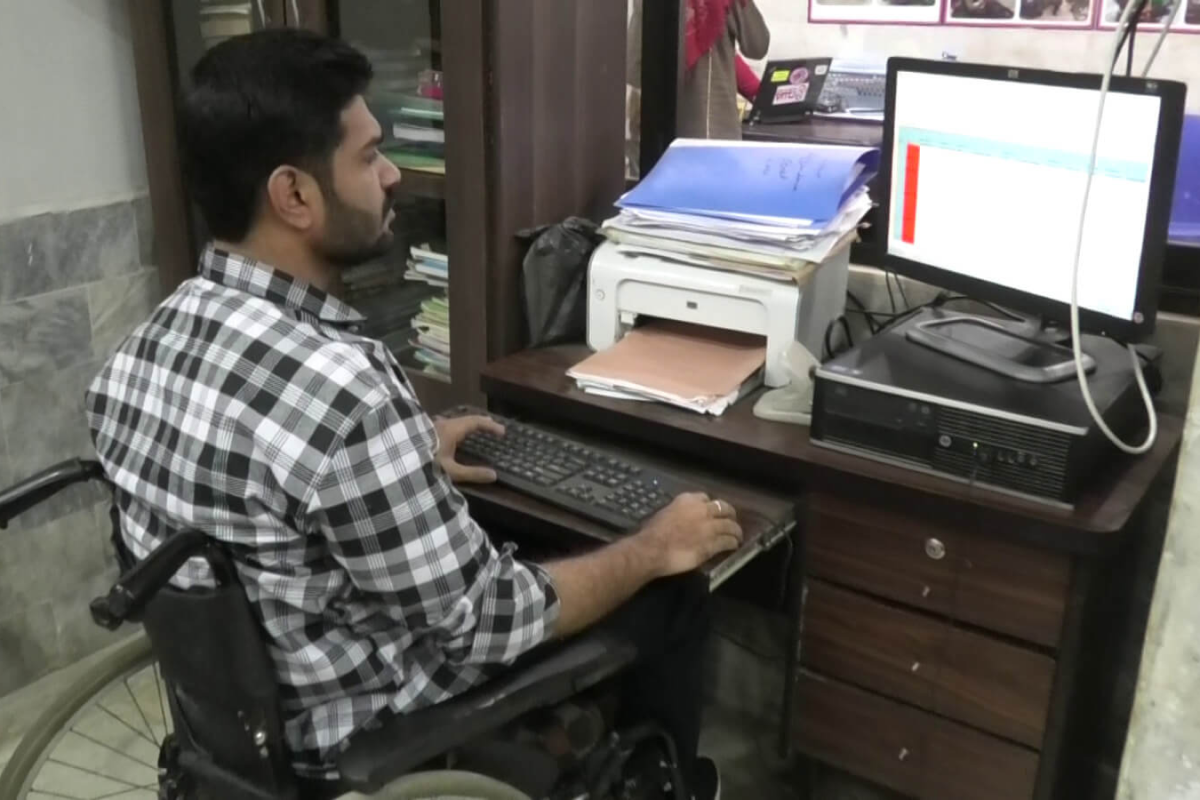
Many persons with disabilities begin managing their own routines with the help of a disability attendant service, reducing reliance on family members. This shift often strengthens relationships by removing constant caregiving pressure.
Others pursue education, employment, or community involvement once daily support needs are consistently addressed. Reliable assistance allows individuals to focus on growth rather than survival.
These outcomes reflect the strength of a system built on trust, respect, and shared responsibility.
Independence as a Collective Responsibility
Independent living does not exist in isolation. It depends on inclusive attitudes, trained support providers, accessible environments, and informed communities. Families, organizations, and institutions all contribute to making independence sustainable.
The independent living philosophy reminds society that inclusion is not charity. It is a matter of rights and fairness. When persons with disabilities are supported in directing their own lives, communities become more balanced and humane.
Moving Forward With Purpose
Through person-centered support, ethical disability attendant service, and NGO-led empowerment, independent living becomes a lived reality rather than an abstract idea.
Pakistan Independent Living Centre (PILC) continues to advance this vision by supporting individuals in building lives shaped by choice, control, and personal direction. Independence grows when people are trusted to lead their own lives and supported in ways that respect who they are.