
 ammar ali
Introduction
Credibility, consistency, and a sincere dedication to people are characteristics of a trusted NGO in Pakistan. The function of a trustworthy NGO in Pakistan becomes crucial in a nation where many communities struggle with poverty, obstacles relating to disabilities, restricted access to education, and health issues. Trust is developed via years of sincere service, open operations, and significant results rather than assertions.
When people think their time, money, and energy are being used appropriately, they support non-governmental organizations. This blog explores the importance of trust, how NGOs benefit society, and what characteristics make an organization deserving of public respect and long-term trust.
Importance of NGOs in Pakistan
Poverty, unemployment, disability inclusion, educational disparities, and disaster relief are just a few of the many issues facing Pakistan’s society. NGOs fill in gaps when resources are scarce or systems require more assistance.
NGOs are crucial in Pakistan for the following reasons:
- Giving marginalized communities access to necessary services.
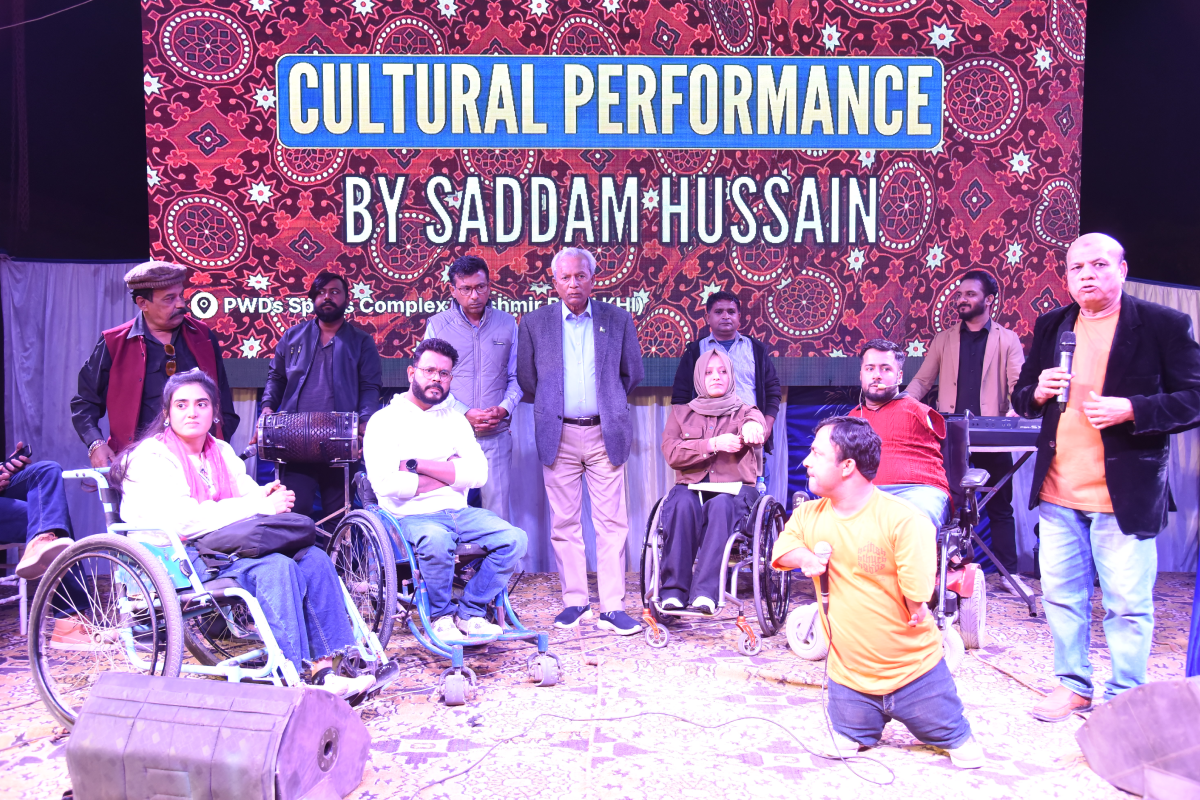
- Assisting underprivileged groups and those with impairments.
- Enhancing chances for livelihood, health, and education.
- Providing assistance amid earthquakes, floods, and displacement.
- Raising awareness of shared duty, rights, and dignity.
Rather of operating above communities, a decent social welfare institution collaborates directly with them. This strategy contributes to the long-term relevance, respect, and efficacy of support.
Why This NGO Is Recognized as Trusted
A trusted NGO in Pakistan earns its reputation through actions, not publicity. Recognition comes from years of ethical work, openness, and reliability.
Key qualities that build trust include:
- Clear mission focused on people rather than numbers.
- Transparent financial practices and proper reporting.
- Community involvement in planning and decision-making.
- Skilled teams with strong ethical values.
- Long-term presence and consistent service delivery.
A dependable charity organization Pakistan does not disappear after a project ends. It stays connected, listens to feedback, and improves its work continuously. Trust grows when communities see steady effort and honest communication.
Services & Programs
A trusted NGO in Pakistan provides structured programs that address both immediate needs and long-term development. These services are designed to support dignity, independence, and participation.
Common non-profit services in Pakistan offered by trusted NGOs include:
- Disability rehabilitation and independent living support.
- Education assistance and skill development programs.
- Employment preparation and livelihood guidance.
- Health awareness and basic care initiatives.
- Community outreach and inclusion activities.
Each program is developed with care, ensuring it responds to real needs rather than assumptions. A credible NGO in Pakistan regularly reviews its services to maintain quality and accountability.
Impact & Community Support
The real strength of a trusted NGO in Pakistan lies in its impact on everyday lives. Impact is seen in increased confidence, improved stability, and stronger community ties.
Positive outcomes often include:
- Greater independence for individuals and families.
- Improved access to education and work opportunities.
- Reduced social isolation and stronger inclusion.
- Increased awareness of social responsibility.
- Community networks that continue support beyond projects.
When people feel heard and respected, they support the organization in return. This mutual trust allows a social welfare organization to grow responsibly and reach more communities without losing its values.
How to Support or Get Involved
Trustworthy NGOs rely on collective effort. Individuals, professionals, and institutions all have a role to play in sustaining meaningful work.
Ways to support a trusted NGO in Pakistan include:
- Volunteering abilities, time, or expertise.
- Giving in accordance with one’s own ability.
- Supporting campaigns for advocacy and awareness.
- Collaborating through moral business assistance.
- Distributing factual information on the activity of NGOs.
A transparent charity organization in Pakistan guarantees that donors are aware of how their gifts are utilized, boosting trust and sustained involvement.
Conclusion
A trusted NGO in Pakistan stands as a symbol of reliability, care, and social responsibility. Through honest practices, people-centered programs, and lasting community relationships, such organizations help create real change where it is needed most.
By supporting a credible NGO in Pakistan that delivers meaningful non-profit services to Pakistan, individuals and institutions contribute to a stronger, fairer society. Trust, once earned, becomes the foundation for sustainable progress and shared well-being across communities.