
 ammar ali
Introduction
Living with a disability often means facing obstacles that others rarely notice. These barriers are not limited to physical activity; They also affect access to education, work, health care and social life. For many individuals, the difference between isolation and involvement lies in the availability of the right kind of support. This is where personal attendant service becomes essential.
Personal attendant service is not about dependency. It is about enabling choice, dignity and control over everyday life. When support is given with respect and understanding, people with disabilities gain the confidence to live according to their decisions. More importantly, this form of support plays a meaningful role in the social inclusion of persons with disabilities by allowing them to engage with their communities on equal terms.
At Pakistan Independent Living Center, personal attendant service is viewed as a partnership rather than supervision. Its aim is to help people live full lives while remaining active members of society.
What is Personal Attendant Service?
Personal attendant service refers to trained, one-to-one assistance provided to individuals with disabilities to assist them with daily activities that they do not choose or are unable to perform independently. This assistance may take place at home, workplaces, educational institutions, or community places.
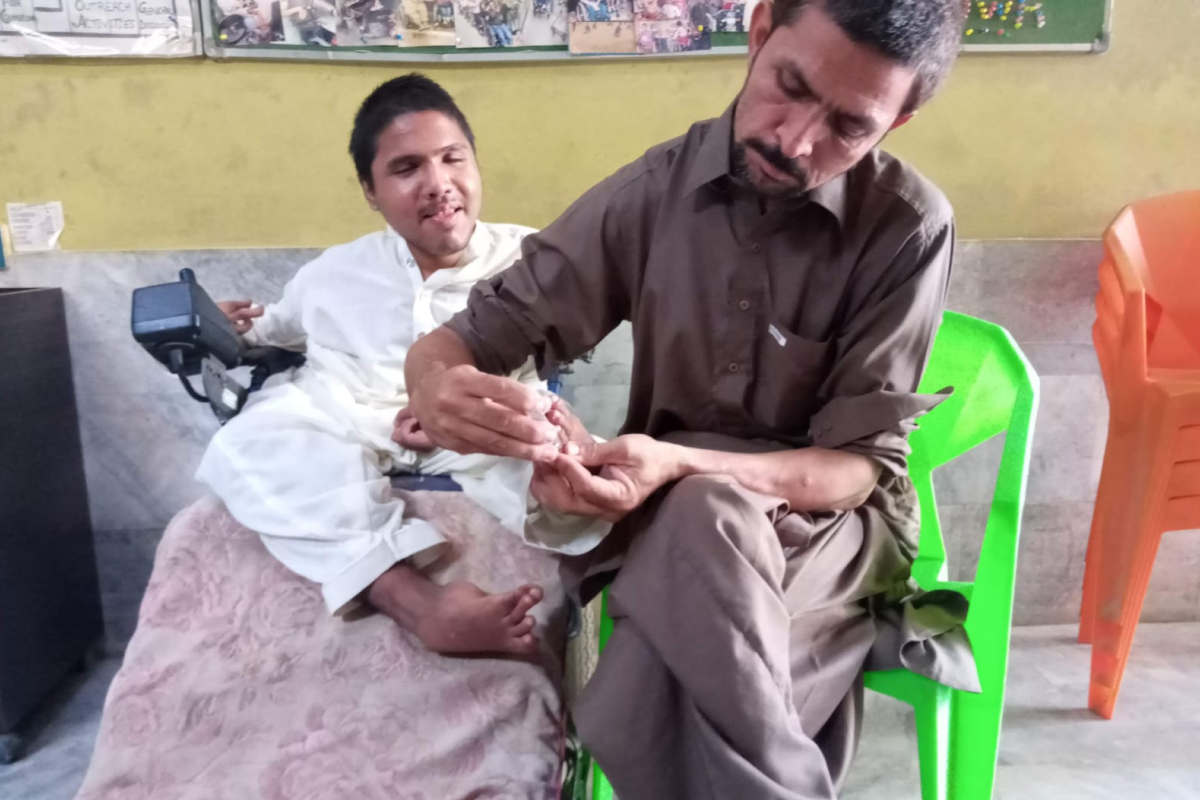
A personal attendant supports the individual according to his or her specific needs and personal preferences. This may include help with mobility, personal care, communication, meal preparation, or household routines. The main principle is that the person receiving support remains in control. The attendant follows instructions rather than giving them.
Unlike institutional care, personal attendant service is flexible and responsive. It adapts to changing needs and respects personal boundaries. This approach allows individuals to structure their day, make decisions independently, and maintain privacy. When delivered responsibly, personal attendant service reinforces rather than diminishes independence.
Daily Support Needs
Daily life involves countless tasks that most people complete without conscious effort. For individuals with disabilities, some of these tasks may require assistance due to physical, sensory, or cognitive limitations. Personal attendant service addresses these daily assistance needs in a practical and respectful manner.
Assistance may include help with dressing, bathing, transferring, eating, or managing medication. For others, assistance may be needed with communication, reading, or navigating public places. The role of the personal attendant is to ensure safety and comfort while allowing the individual to remain actively involved in every task.
This type of daily support reduces physical stress and mental stress. When individuals are not overwhelmed with basic routines, they can focus on education, employment, family responsibilities, or personal interests. Over time, this continued support builds confidence and stability in daily life.
Importantly, daily assistance through personal attendant service is not uniform. Every person’s routine, preferences, and pace are different. Effective services are shaped by the individual, not the other way around.
Social Inclusion Benefits
One of the most important outcomes of personal attendant service is its contribution to the social inclusion of persons with disabilities. Social inclusion goes beyond physical presence; it involves meaningful participation, interaction, and belonging within society.
Without adequate support, many individuals face social isolation. It may be difficult to attend events, meet friends, participate in community activities, or even travel independently. Personal attendant service removes these barriers by providing reliable assistance in public and social settings.
With the right support, individuals can attend family gatherings, pursue hobbies, engage in cultural activities, and form social relationships. This visibility challenges stereotypes and shifts public perception of disability from limitation to participation.
Social inclusion also improves emotional well-being. Regular conversation reduces loneliness and helps mental health. When individuals feel included and respected, they develop a stronger sense of self-worth and community connection. Therefore, personal attendant service supports not only physical needs but also emotional and social health.
Community Involvement
Active participation in community life is a fundamental right. Personal attendant services play a direct role in enabling individuals with disabilities to participate in community spaces that were previously inaccessible or intimidating.
This may include attending educational institutions, working in a professional environment, taking part in training programs, or getting involved in local initiatives. With appropriate support, individuals can move freely within their communities while maintaining independence and personal dignity.
Community participation also benefits society as a whole. When individuals with disabilities are present in workplaces, schools, and public spaces, diversity becomes part of everyday life. This presence encourages understanding, empathy, and acceptance.
At the Pakistan Independent Living Centre, community participation is seen as a shared responsibility. Personal attendants are trained not only in practical skills but also in respectful communication and moral support. This ensures that the assistance enhances participation rather than attracting unnecessary attention or causing inconvenience.
Building Independence Through Support
There is a common misconception that receiving assistance reduces independence. In fact, proper support often increases it. Personal attendant service allows individuals to save energy, manage time effectively, and focus on the activities that are most important to them.
By removing unnecessary constraints, individuals gain more control over their schedules and decisions. They can plan their days with confidence, knowing that reliable support is available when they need it. This sense of control is central to independent living.
Over time, individuals may also develop new skills or adapt to routines in ways that reduce the level of assistance needed. Personal attendant service supports this growth by encouraging participation rather than passivity.
Conclusion
Personal attendant service is a vital support system that enables persons with disabilities to live with dignity, choice, and purpose. By addressing daily support needs and promoting community participation, it plays a meaningful role in the social inclusion of disabled individuals.
At the Pakistan Independent Living Centre, personal attendant service is delivered with respect, accountability, and understanding. It recognizes that independence is not about doing everything alone but about having the right support to live life on one’s own terms. When assistance is guided by respect and partnership, it strengthens individuals, families, and communities alike.