
 ammar ali
Overview of Independent Living Services
Independent living services exist to help people with disabilities live their lives based on personal choice rather than limitations. These services focus on control, self-direction, and dignity, ensuring that individuals decide how support fits into their daily routine. Instead of dependency-based support, independent living services emphasize practical support that strengthens autonomy.
At their core, independent living services respond to real-life needs. This may include guidance on housing options, daily living skills, peer support, mobility access, or connecting individuals to community resources. Its purpose is not to manage life but to help people manage their lives. When services respect lived experience, they help people with disabilities to participate fully in family, work, and community life.
Unlike institutional care models, independent living services operate within communities. They believe that people thrive best in familiar environments where social connections remain intact. By removing physical, social, and informational barriers, these services allow individuals to remain active contributors rather than passive recipients of care.
Disability Rights Framework
Independent living services are closely linked to the broader framework of disability rights. This framework is built on the principle that disability does not impair an individual’s right to equality, freedom, or dignity. Disability rights reject the idea that support should come at the expense of independence or individual voice.
International agreements and national policies are increasingly recognizing that persons with disabilities have the right to live independently and participate in the community. This includes access to education, employment, health care, transportation, and civic life. Independent living services put these rights into practice by translating policy into everyday support.
The rights-based approach also shifts responsibility away from individuals and toward systems. Rather than asking individuals with disabilities to accommodate themselves endlessly, disability rights demand that there be changes in environments, services, and attitudes. Independent living services play a practical role in this change by advocating for access, fairness, and equal participation at the community level.
Legal and Social Security
Legal protections form the backbone of effective independent living services. Laws related to non-discrimination, access, employment rights, and education provide a framework that supports freedom. When these protections are implemented, individuals have the confidence to make decisions without fear of exclusion or abuse.
However, legal protection alone is not enough. Social security is equally important. Cultural attitudes, family understanding, and community awareness often determine whether rights are realized or ignored. Independent living services often help individuals understand their rights as well as engage communities to reduce stigma and misinformation.
By providing guidance, referrals, and advocacy support, these services help individuals navigate complex systems such as health care, education, and employment. This combination of legal knowledge and social awareness creates a safe path towards independence and long-term stability.
Service Model
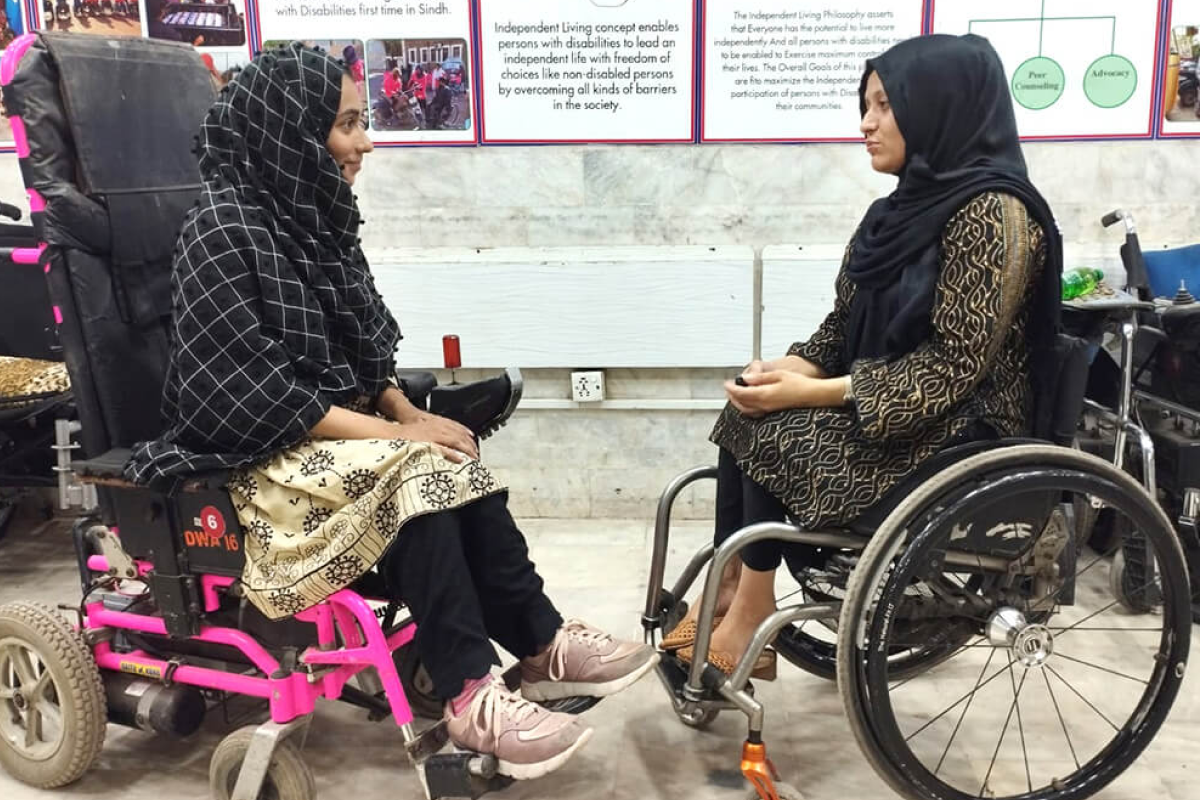
Independent living services are provided through a variety of service models, each shaped by community needs and local realities. One widely used approach is peer-based support, where individuals with disabilities guide others using shared experience. This model builds trust and strengthens self-confidence because advice comes from lived understanding rather than mere authority.
Community-based service models focus on providing support close to where people live. This reduces disruption to daily life and strengthens the local network. In many cases, independent living centers also collaborate with health care providers, teachers, employers, and social services to create a coordinated support system.
Flexibility is a defining characteristic of effective service models. Independent
Impact on Daily Life
The impact of independent living services is most visible in everyday experiences. Managing household routines, accessing public spaces, making financial decisions, or maintaining employment are milestones that reflect real progress. These services help individuals build self-confidence through practical support rather than dependency.
Families also experience positive changes. When people with disabilities gain more control over their lives, family relationships often become more balanced and respectful. Support translates from constant observation to shared understanding, which leads to healthy emotional relationships.
Communities also benefit. When persons with disabilities participate actively in social, cultural, and economic life, diversity becomes visible rather than hidden. Independent living services contribute to inclusion by ensuring that participation is possible, practical, and sustainable.
Role of organizations and community support
Non-governmental organizations and independent living centers play a central role in providing and strengthening independent living services. These organizations often serve as safe spaces where individuals can seek guidance without judgment. They also serve as advocates to raise awareness of disability rights and accessibility needs.
Through training, peer networks, and outreach, organizations help bridge the gap between policy and practice. They engage institutions as well as support individuals to improve access and fairness. This dual role ensures that independent living services remain both person-centered and community-centered.
Strong community involvement further enhances the impact. Collaboration with local authorities, service providers, and civil society to ensure support systems remain connected.