

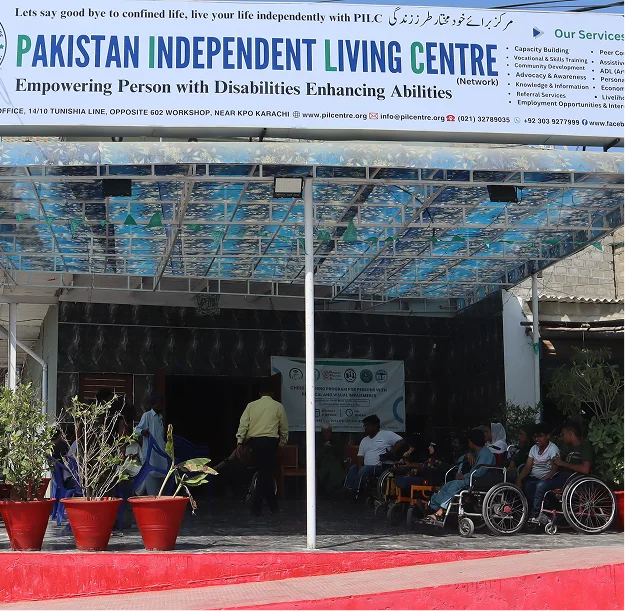
The Holistic Rehabilitation Program at Independent Living Centers (ILCs) delivers holistic rehabilitation disability support for individuals with diverse needs.
This program seeks to improve physical and emotional well-being, which is supported by peer counselling and PWD rehabilitation, as well as social well-being through services like speech therapy, psycho-social support, physiotherapy, occupational therapy for PWD, and the provision of assistive devices. A holistic approach is also supported by activities such as daily living therapy for the disabled, sports therapy for the disabled, art therapy PWD, music therapy for the disabled, and hydrotherapy for the disabled, which promote individual development and enhance participants’ quality of life.
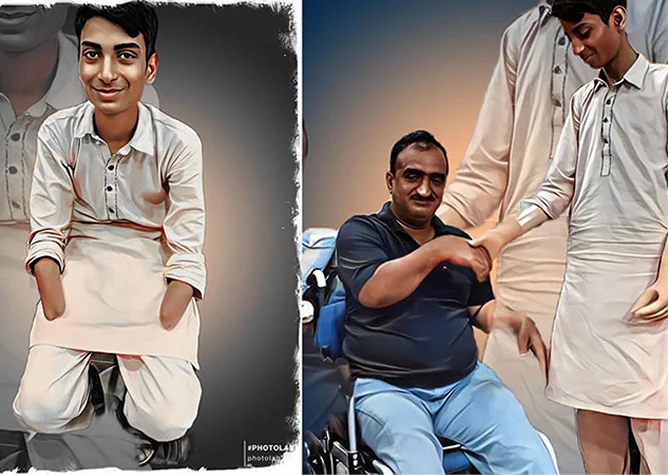
Our program provides coordinated assistive care focused on comfort, recovery, and everyday function for persons with disabilities. Services include personalized physiotherapy to improve mobility, occupational therapy for PWD to strengthen independent routines, and speech therapy for PWD to support clear communication and confidence. Trained staff assist with daily living therapy for disability, while peer counselling for PWD rehabilitation nurtures emotional strength and social connection. Prosthesis and orthosis support are complemented by community engagement initiatives that share lived experiences, raise awareness, and reinforce dignity, inclusion, and long-term well-being for participants and their families.
Daily Living Skills programs support PWDs in managing everyday tasks with confidence and independence. Training focuses on personal care, mobility routines, communication habits, and safe decision-making, enabling participants to strengthen self-reliance, dignity, and active participation within family and community life.
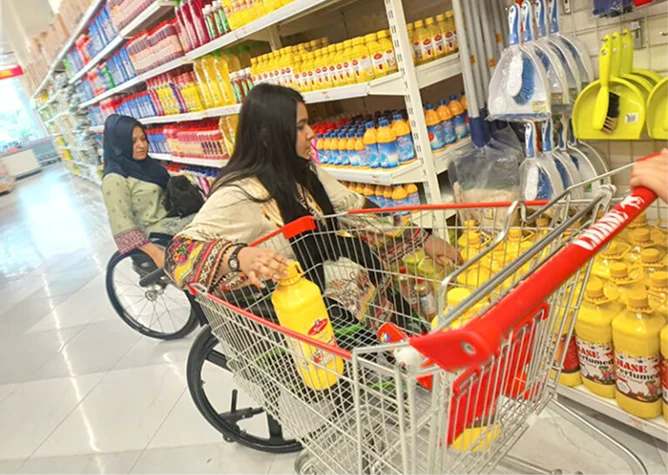
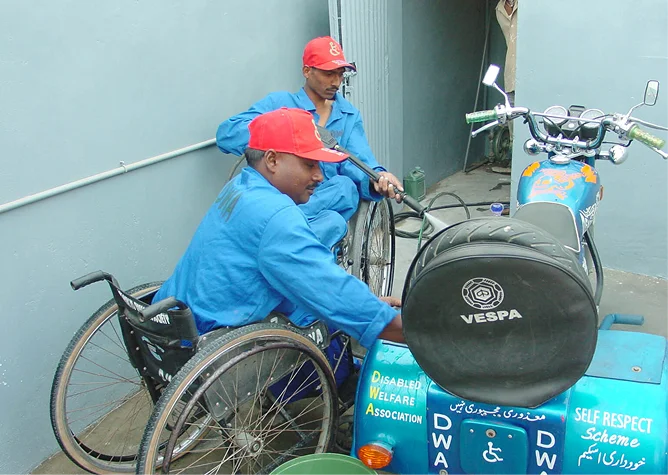
The Rehabilitation Program of ILCs creates measurable progress in mobility, communication, and daily functioning for PWDs. Through structured physiotherapy for disabled individuals, participants regain strength, balance, and confidence. Complementary services such as occupational therapy for PWD, speech therapy for PWD, and daily living therapy for disability help individuals manage everyday tasks with greater ease. Emotional well-being is strengthened through peer counselling and PWD rehabilitation, while holistic rehabilitation disability methods, including art, music, sports, and hydrotherapy, ensure overall improvement. Together, these interventions support long-term independence, resilience, and meaningful participation in community life.
Independent Living Centre offers a diverse range of therapies designed to support meaningful recovery and physiotherapy for disabled individuals. Our services include occupational therapy for PWD, speech therapy for PWD, and holistic rehabilitation practices that strengthen physical, emotional, and social well-being. Through sports therapy, art therapy PWD, music therapy, and hydrotherapy, we help participants develop confidence, improve functional abilities, and build skills that support greater independence in daily life.
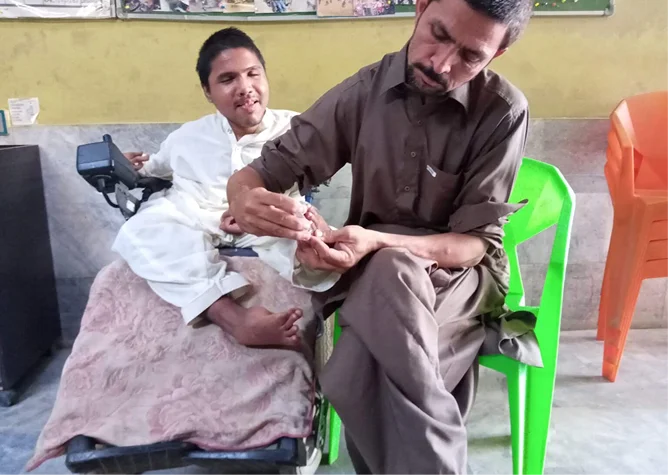
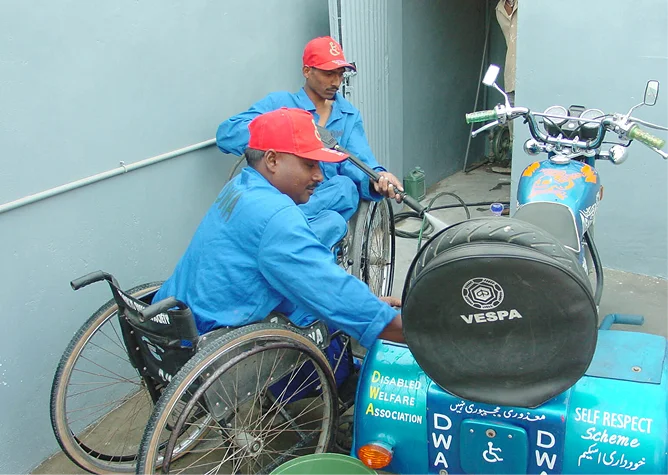
Peer counselling provides emotional support through shared experiences, helping PWDs build confidence, resilience, and self-acceptance. Guided sessions encourage open communication, problem-solving, and social connection, enabling participants to manage challenges positively while strengthening mental well-being and a sense of belonging within the community.
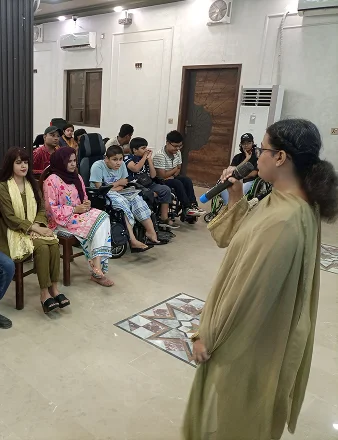
Speech therapy for PWD focuses on improving communication, articulation, and language skills. Structured sessions enhance verbal and non-verbal expression, boost confidence, and support social inclusion. Integrated with holistic rehabilitation disability practices, speech therapy empowers participants to participate meaningfully in daily activities, education, and community interactions.
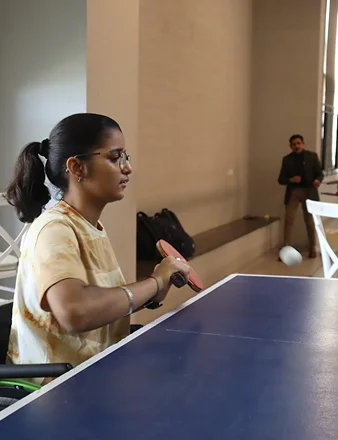
Psychosocial support helps individuals with disabilities build emotional resilience, coping strategies, and social confidence. Through counseling, group sessions, and peer engagement, participants address stress, anxiety, and adjustment challenges, fostering holistic rehabilitation disability, enhancing interpersonal skills, and promoting overall well-being within their families, communities, and daily lives.
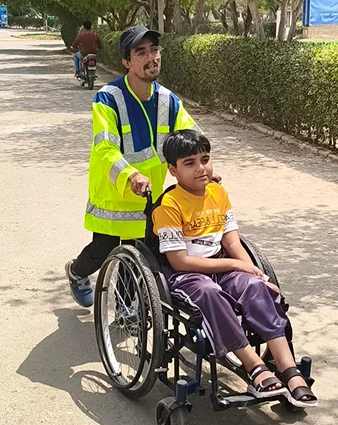
Personalized care at the Rehabilitation Program of ILCS ensures that each individual with a disability receives tailored support addressing unique needs. Services include daily living assistance, mobility guidance, and individualized therapy plans, fostering independence, enhancing quality of life, and promoting holistic rehabilitation disability outcomes in a compassionate environment.
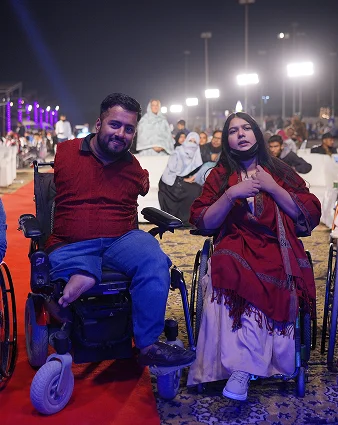
Occupational therapy for PWD helps participants develop essential daily living and work-related skills. Through practical exercises, adaptive strategies, and personalized guidance, individuals gain independence, improve functionality, and enhance social participation. Integrated with holistic rehabilitation disability approaches, this therapy strengthens confidence, self-reliance, and overall well-being.
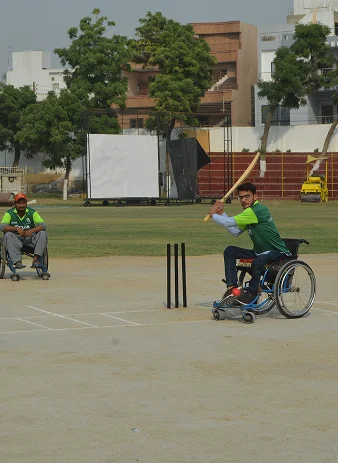
Sports therapy for disabled people supports rehabilitation by improving strength, coordination, and confidence among PWDs. Through structured physical activities, participants enhance mobility, build endurance, and develop teamwork skills. This approach contributes to holistic rehabilitation of disability by encouraging active movement, discipline, and positive engagement that supports everyday functioning.
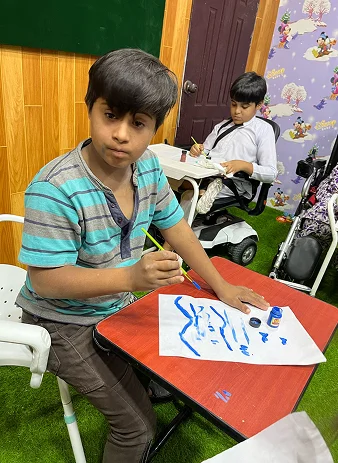
Art therapy PWD provides a creative space where PWDs express emotions, reduce stress, and improve concentration. Through guided artistic activities, participants gain emotional balance and self-awareness. This method supports holistic rehabilitation disability by strengthening mental well-being and encouraging meaningful social interaction and personal growth.
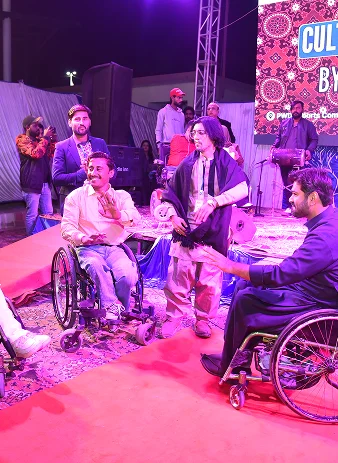
Music therapy offers individuals with disabilities a creative and therapeutic outlet, promoting emotional expression, stress relief, and cognitive stimulation. Through structured sessions, participants enhance mood, focus, and social interaction while complementing holistic rehabilitation disability practices to support overall well-being, personal growth, and improved quality of life.
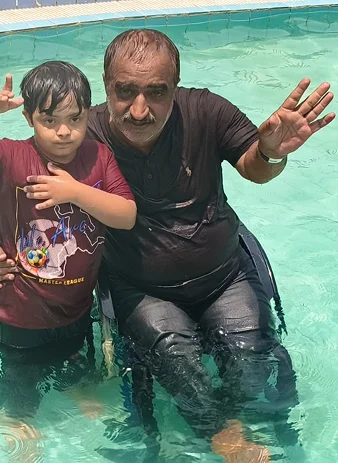
Hydrotherapy offers gentle, water-based support to help PWDs improve strength, mobility, and comfort during rehabilitation. Warm-water exercises reduce joint pressure, enabling safe movement and flexibility. This approach complements physiotherapy for disabled individuals with disabilities and supports holistic rehabilitation disability practices in hydrotherapy for the disabled, promoting steady progress and physical ease.
ILCs foster a supportive and inclusive environment that promotes social interaction and community inclusion, breaking down barriers and misconceptions about disabilities.
Contact Us
